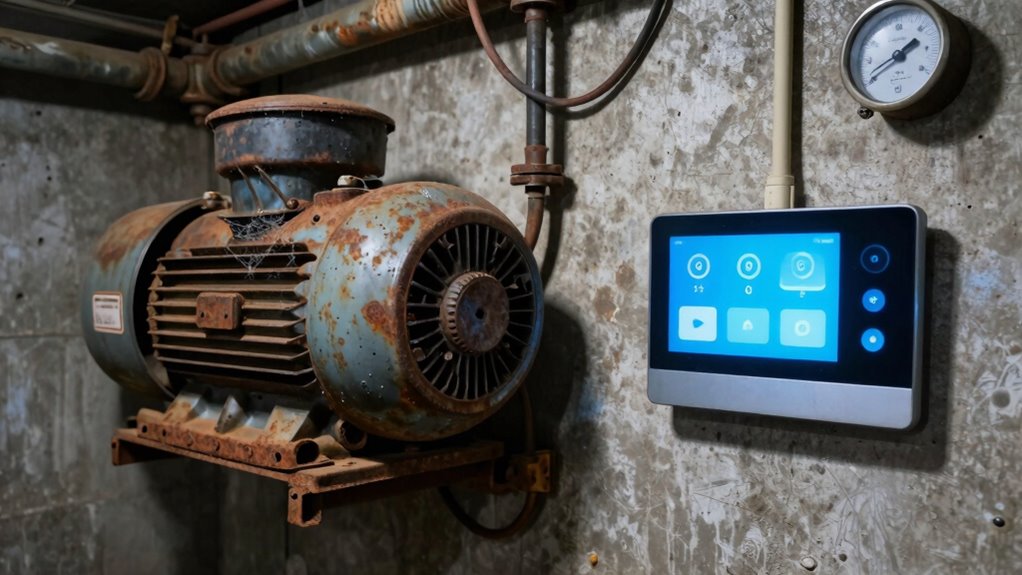
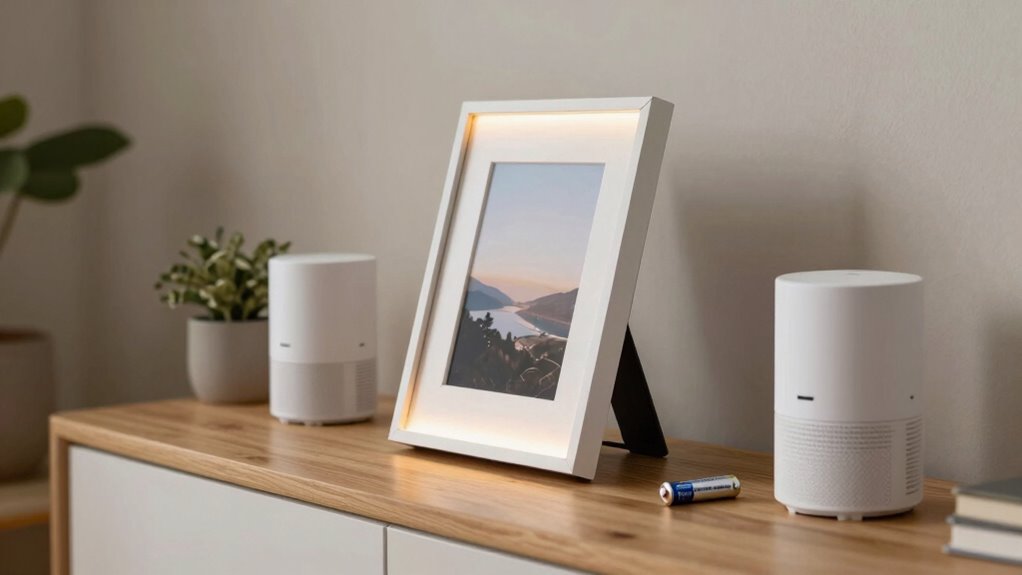
Traditional motors sit in the background of our homes like quiet multitaskers, humming away while little attention is paid—until they aren’t. This is the everyday reality of many households, where the fan under the stairs or the boiler in the basement just does its job, then suddenly acts up and disrupts the whole vibe. The truth is simple: traditional motors are not built for the modern smart home era. They lack real-time monitoring capabilities, so you don’t know when wear is creeping in until a breakdown hits and you’re scrambling for a fix.
No remote diagnostics means you’re stuck calling a technician and hoping they show up with the right part, which is a little, well, old-fashioned for a space that thrives on immediacy.
Motor efficiency matters, and not in a braggy, eco-friendly way. It matters because these older systems consume energy without dynamic adjustments. They can’t optimize during low-demand periods, so your utility bills creep up even when you’re just binge-watching a show. It’s like leaving your car idling in the driveway all day—annoying and wasteful.
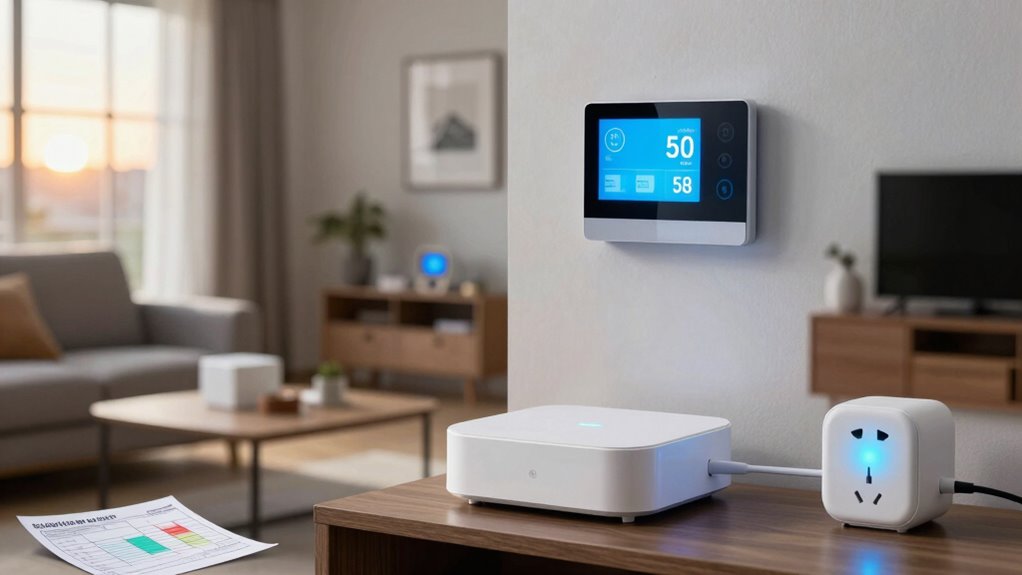
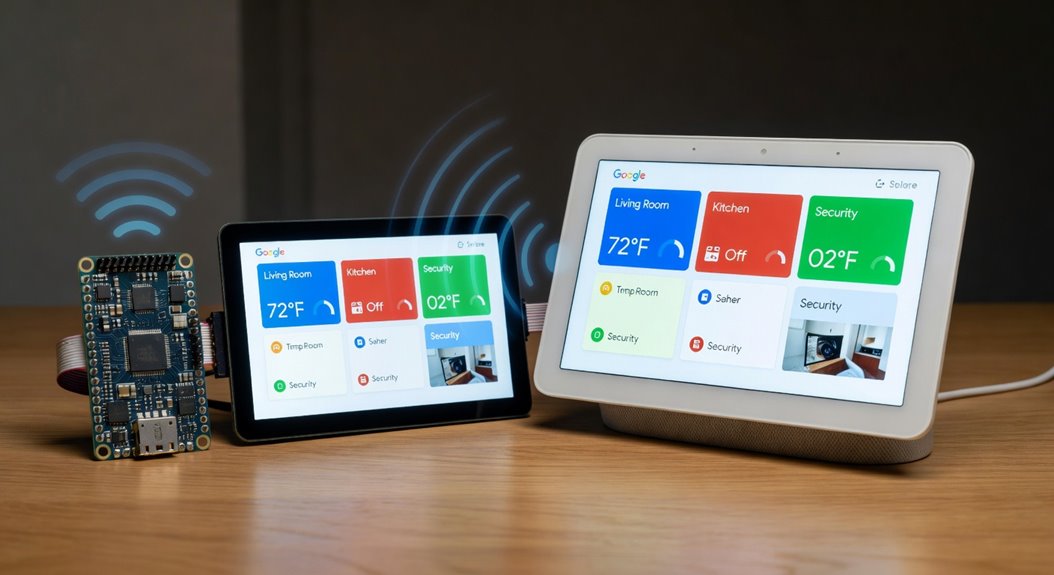
The lack of smart integration keeps things stubbornly standalone. Manual controls prevent centralized app management, and voice or hub automation feels like a distant dream. The result is a missed chance to automate between blinds, fans, HVAC, and lighting, which is where the real savings live. A central smart home hub can orchestrate multiple protocols like Wi-Fi, Zigbee, and Bluetooth to bring these devices together seamlessly.
Maintenance becomes a game of surprise. Reactive repairs, interval-based schedules, and no predictive analytics for bearing wear mean downtime can spike when you least want it. You might have to be physically present for every servicing, which sounds quaint until you factor in holidays, work, and life. The smart home feels distant, almost like a separate gadget that doesn’t speak the same language as your other devices.
Performance gaps aren’t cosmetic. There’s no constant vibration or temperature monitoring, no instant alerts, no data-driven fine-tuning. Without this feedback, the system can’t adapt to user preferences automatically, so the home stays a step behind what people want.
The future? It’s harder to scale for solar, EVs, and evolving automation routines, and the overall experience loses cohesion.
In the end, traditional motors dent the promise of a truly connected home. They keep you paying higher energy costs and slow down ROI, while smart integration sits waiting for a chance to shine in a more responsive, affordable, and delightful living space. Smart motors with IoT-enabled sensors and connectivity can transform this by providing real-time monitoring, remote diagnostics, and predictive maintenance to keep your home running smoothly.
References
- https://www.goodfruitgrows.com/blog/the-good-tree-1/smart-motors-with-iot-integration-revolutionizing-the-electric-motor-industry-12
- https://greenlanddevelopmentgroup.com/smart-home-build-vs-traditional-home/
- https://smartlifestack.com/ac-automation/what-is-the-difference-between-a-smart-home-and-a-traditional-home/
- https://peterscustomhomes.com/smart-home-automation-vs-traditional-luxury-which-is-better-for-your-charlotte-custom-home/
- https://innotechtoday.com/connected-cars-smart-homes/
- https://www.smartwingshome.com/blogs/smart-home/motorized-vs-traditional-blinds-benefits
- https://www.hoomexa.com/smart-home-vs-traditional-home/
- https://mowesmarthome.com/can-a-smart-home-look-classic-how-to-maintain-traditional-aesthetics-in-a-high-tech-home/