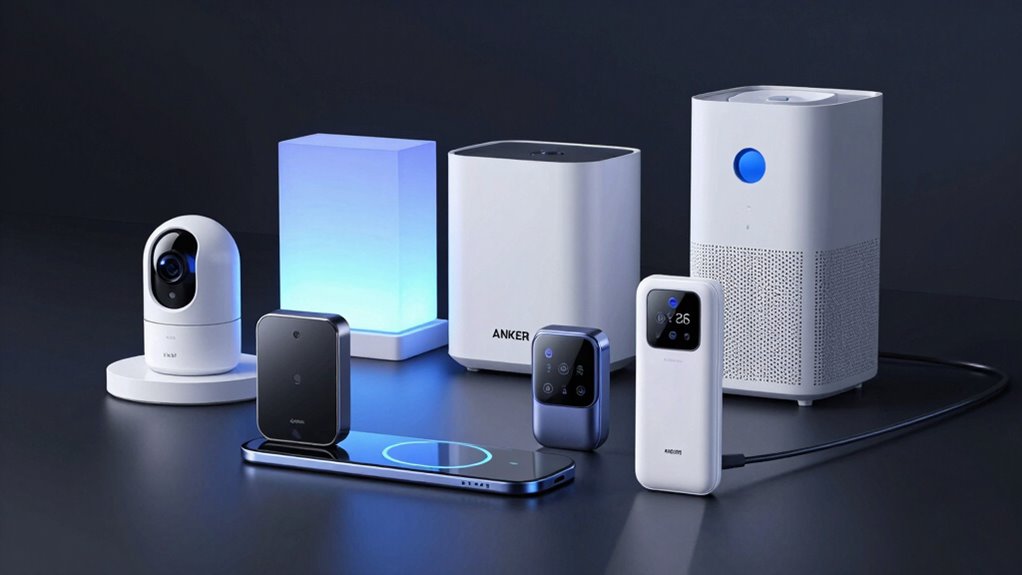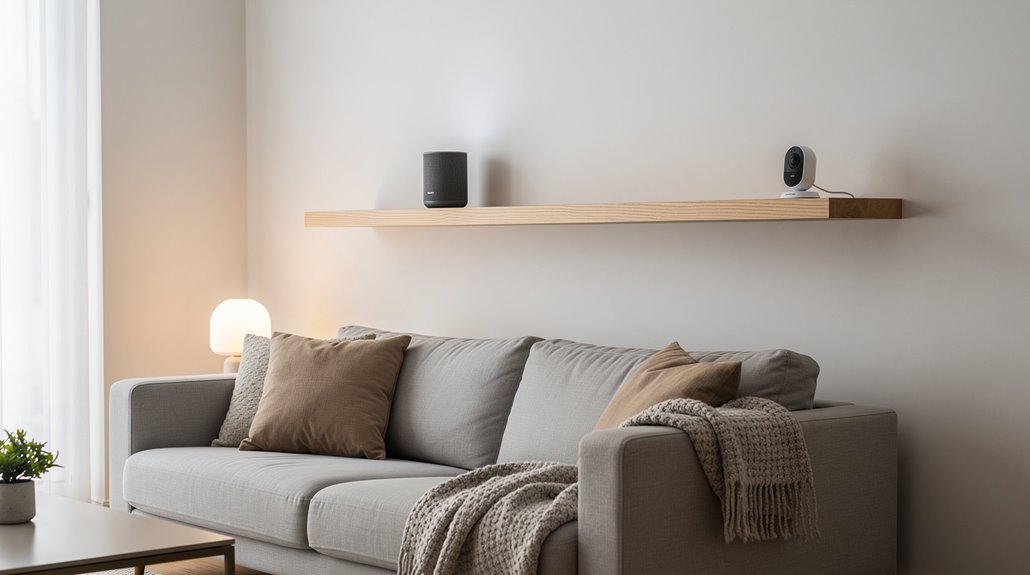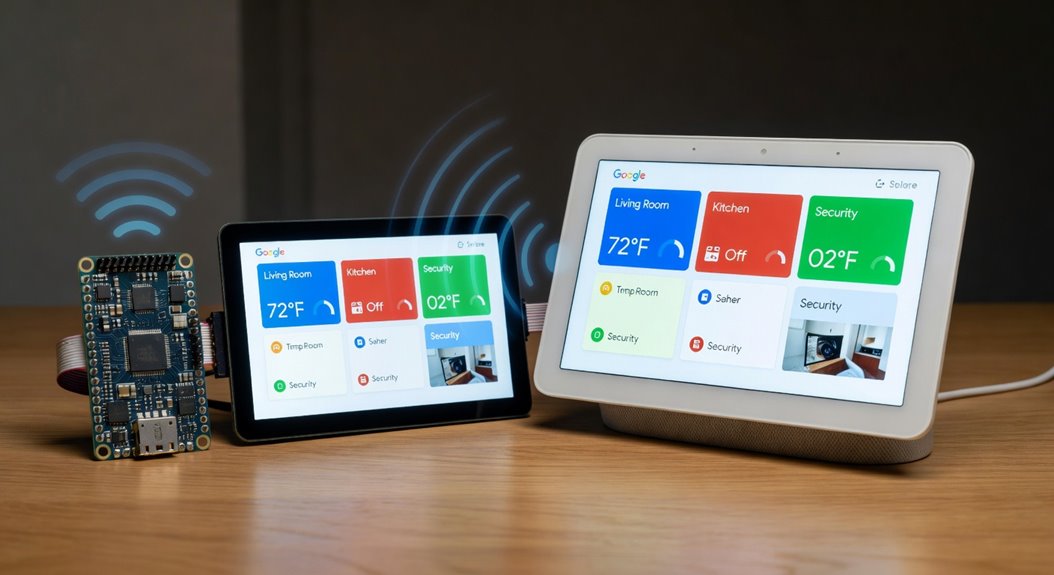

If you think a smart home is just a fancy way to turn lights on and off, think again—UAE households are now playgrounds for hackers who love a good gadget heist. The numbers are startling: 70 % of smart devices are vulnerable to cyberattacks if not properly secured, and almost three‑quarters sit at risk without basic protections. The UAE Cyber Security Council has sounded a stark warning, pointing out that the surge in smart speakers, security cameras, and even robotic vacuums creates a perfect storm for cybercriminals.
In everyday chat, friends might joke about “talking to the fridge,” but the reality is that Smart Device Risks are real, and they can turn a harmless “hey Siri” into a data‑leak nightmare. Imagine a neighbor’s baby monitor suddenly broadcasting bedtime stories to a stranger, or a dash camera being weaponized to record private drives for blackmail. Such scenarios are no longer sci‑fi; they’re happening because many users leave voice assistants permanently active, share Wi‑Fi passwords with guests, and rely on default settings that invite exploitation.
The UAE government’s urgent alert underlines that espionage and extortion can flow through a simple light‑bulb, and authorities urge citizens to report incidents via the National Cyber Crime Portal or helpline 1930. This call for action is a push for higher Cybersecurity Awareness, urging people to treat their smart home like a digital lock that needs a strong, unique password for each device.
The everyday chatter among friends often includes tips like “turn off the assistant when you’re not using it,” or “keep your smart devices on a separate network.” These habits cut down the attack surface dramatically. Regular software updates, a central controller to limit entry points, and creating a distinct Wi‑Fi for gadgets are practical steps that anyone can follow.
The humor in these conversations—like joking that the smart fridge might start judging your snack choices—helps keep the topic light while still delivering vital info. Beyond the gadgets, deeper threats loom: deepfakes, identity theft, and fake crypto schemes that prey on the same people who trust their devices. Scammers may try to coax wallet access through messaging apps, turning a simple “hey, what’s your PIN?” into a financial loss.
The blend of physical privacy breaches and digital fraud can drain savings faster than a leaky faucet. Security cameras in particular have proven especially susceptible, as researchers have demonstrated root-level exploits through firmware weaknesses that can grant attackers full control over a device’s video feed. In short, the UAE’s smart home boom is a double‑edged sword. While the convenience is undeniable, the risk of being a sitting duck for cybercriminals is equally clear. Strong passwords are essential for protecting each device. Regular software updates are crucial to patch vulnerabilities.
References
- https://www.youtube.com/watch?v=2udvvMZBwE8
- https://thecyberexpress.com/smart-home-devices-uae-council-warns/
- https://gulfnews.com/uae/government/cybersecurity-council-warns-uae-homes-over-vulnerable-smart-devices-1.500260106
- https://www.wam.ae/en/article/15rbk4a-70-smart-home-devices-vulnerable-cyberattacks
- https://emiratitimes.com/uae-csc-warns-of-smart-home-devices/
- https://securitymiddleeastmag.com/cybersecurity/uae-warns-of-unsecured-surveillance-cameras/