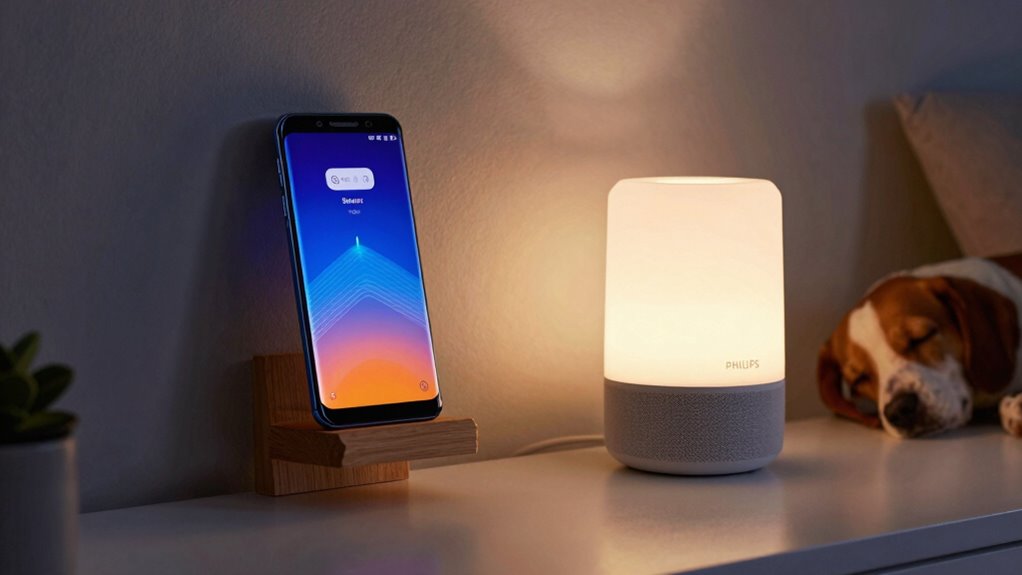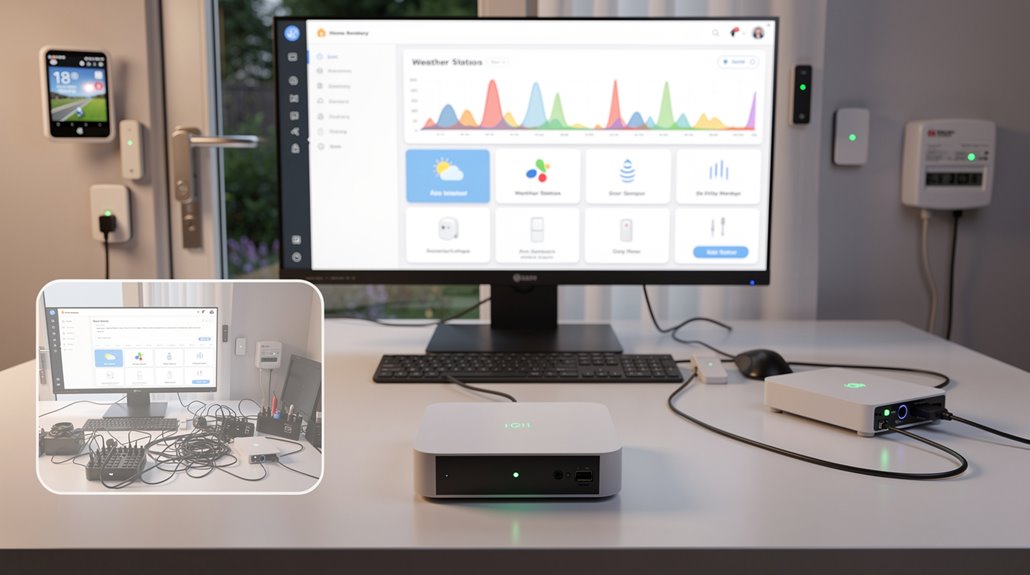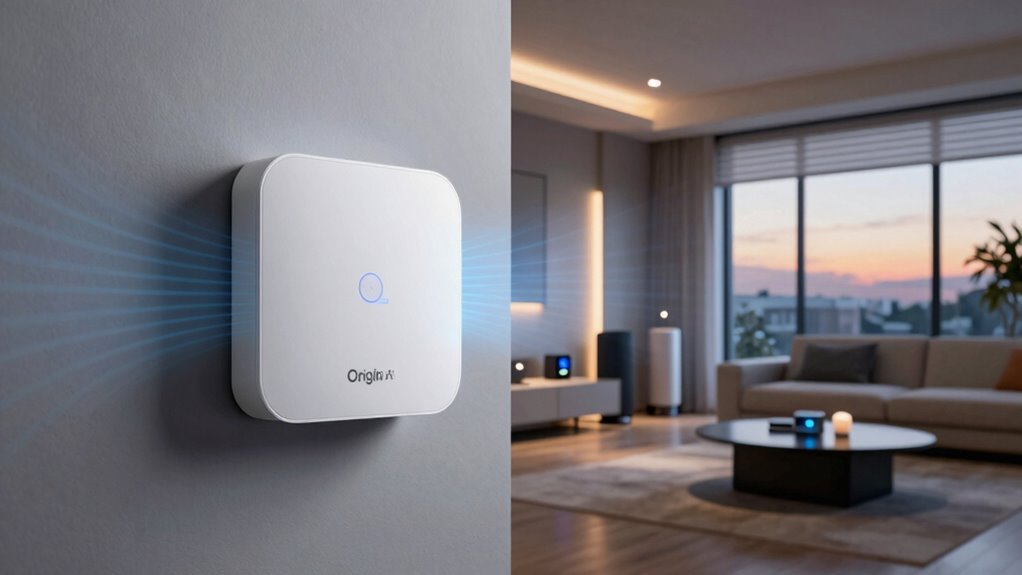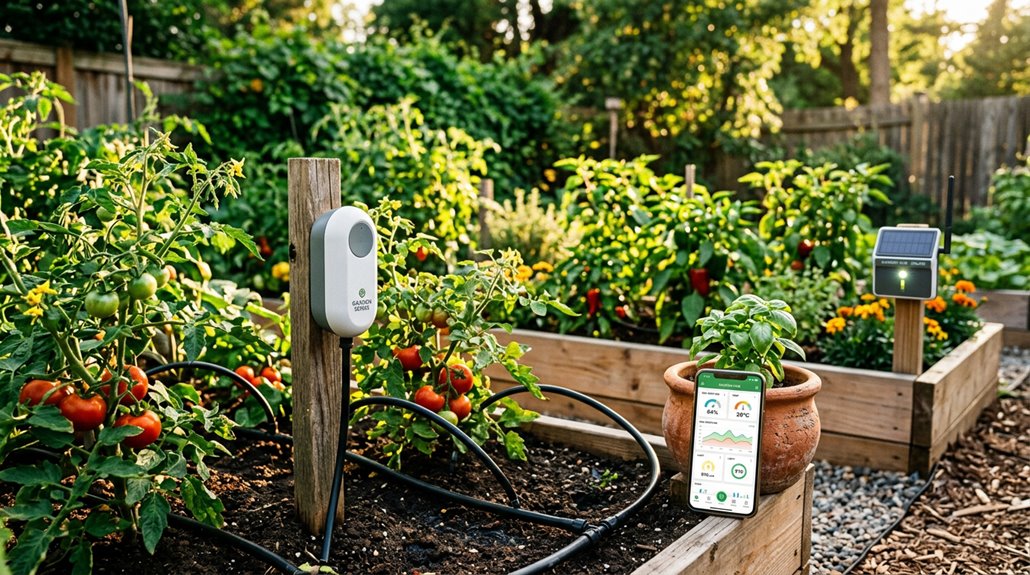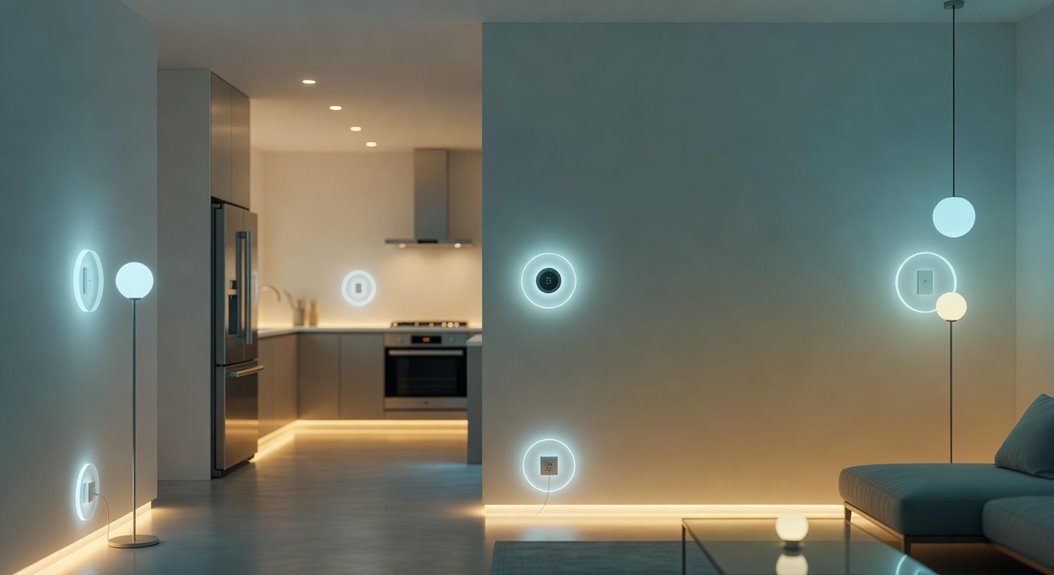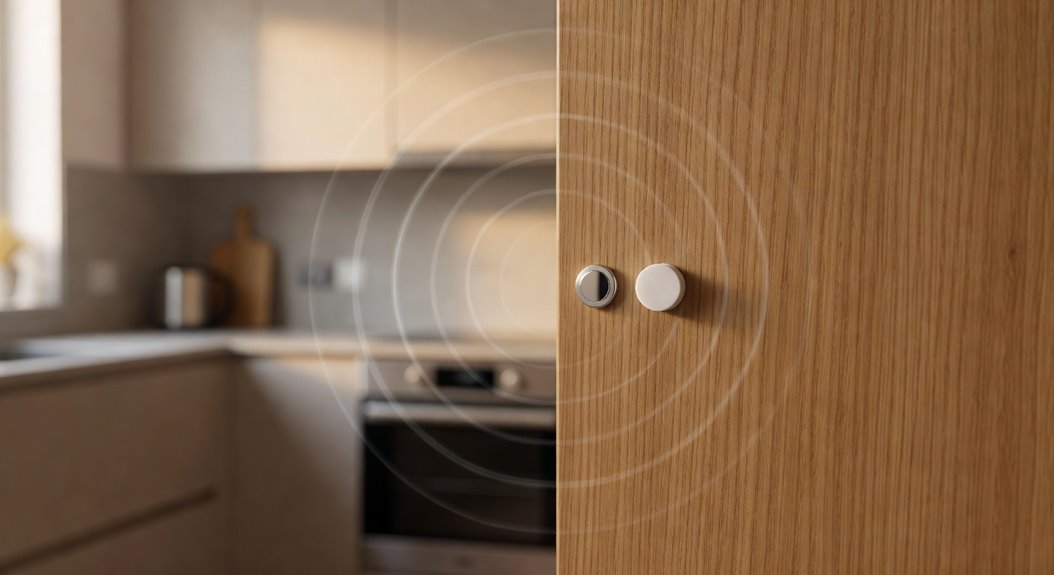
When you walk into a house that practically runs itself, it’s easy to feel like you’ve stepped into a sci‑fi sitcom, and that’s because smart home sensors are turning everyday rooms into tiny tech playgrounds. Imagine a penny‑sized tag on a cabinet door that never needs a battery, just a click of metal and a burst of ultrasonic pulse to tell the hub the door opened. Georgia Tech engineers have shrunk these tags to a size smaller than a coin, costing only a few cents, and they stick on frames with a 3D‑printed base. The tag’s tab hits a metal disk, triggers a signal, and instantly logs the event—whether it’s a door swing, a gym rep, or a bathroom visit. No charging, no batteries, just clever physics. The tags are quiet and private and emit an ultrasonic pulse that is imperceptible to human ears. Energy harvesting sensors take the idea a step further. Gemns’s Z‑Wave water leak detector harvests power from tiny magnets and even from the act of pressing a button or a motion event. Its strip‑like design slides under a sink or along a pipe, and when water leaks, the sensor wakes up, sends an alert, and keeps the house dry without ever needing a replace. This is the kind of tech that makes flood detection feel like a magic trick, because the device simply converts ambient energy into electricity. Presence detection has also gotten a boost from mmWave radar. SwitchBot’s model pairs two AAA batteries with a life of about two years, but its real star is the mmWave chip that outperforms traditional PIR sensors. It can sense a person’s motion, measure light, temperature, and humidity, all while talking to Zigbee or Thread networks. Aqara’s version uses CR2450 cells and lasts two to three years, proving that even battery‑powered devices can be low‑maintenance when the hardware is efficient. Contact sensors keep doors and windows in check. Aqara’s Zigbee contact sensor, powered by a tiny CR1630 coin cell, promises two years of life and fits into a Matter‑enabled hub. Even Sonoff’s sensor survived six months of heavy door traffic in tests, showing that battery life varies with activity and temperature but still holds up. Temperature sensors round out the ecosystem. Blue Maestro’s Bluetooth units monitor fridges, wine cellars, and humidors for up to five years, sending data to a free app and cloud tier. They cost $49 and deliver professional‑grade readings without fuss. Long‑term performance data backs these claims. Aqara’s temperature and humidity sensors lasted 1.5 years in out‑of‑way spots, with battery reports staying at 100 % until the very end. SwitchBot’s mmWave sensor hit the two‑year mark on AAA cells, and Moen Flo’s smart water monitor even includes a battery backup for power outages. Many of these sensors also integrate seamlessly with platforms like Amazon Alexa, Google Home, and Apple HomeKit, enabling smart home compatibility that allows users to manage all connected devices from a single app or voice command. Together, these penny‑sized, battery‑free, or ultra‑low‑maintenance gadgets turn ordinary homes into self‑aware, resilient habitats, all while keeping the tech invisible and the jokes flowing. low‑power
References
- https://research.gatech.edu/batteries-not-included-or-required-these-smart-home-sensors
- https://www.youtube.com/watch?v=EFbaa7pcoq4
- https://www.youtube.com/watch?v=bXb0R7ZTdbo
- https://roboticsbiz.com/smart-home-contact-sensors-explained-real-world-automations-and-the-best-door-window-sensors-to-buy/
- https://bluemaestro.com/solutions/home-personal
- https://addshore.com/2025/01/smart-home-1-5-years-of-aqara-temperature-and-humidity-sensors/
- https://shop.moen.com/pages/flo-smart-water-monitor