Turns out, stopping sexual harassment might just have a new classroom hero—and no, it’s not another boring lecture or cringe-worthy role-play with your classmates pretending to be trees. It’s VR—yes, *virtual reality*, the same tech you’d use to dodge aliens or race hoverboards—now teaching teens about consent, bystander intervention, and real-life consequences through immersive experiences that actually hold their attention.
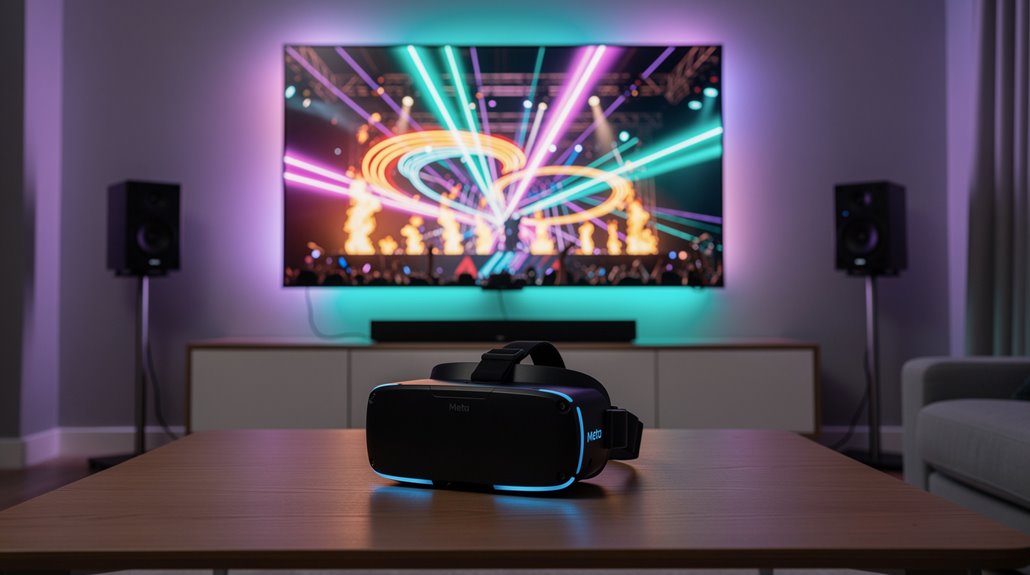
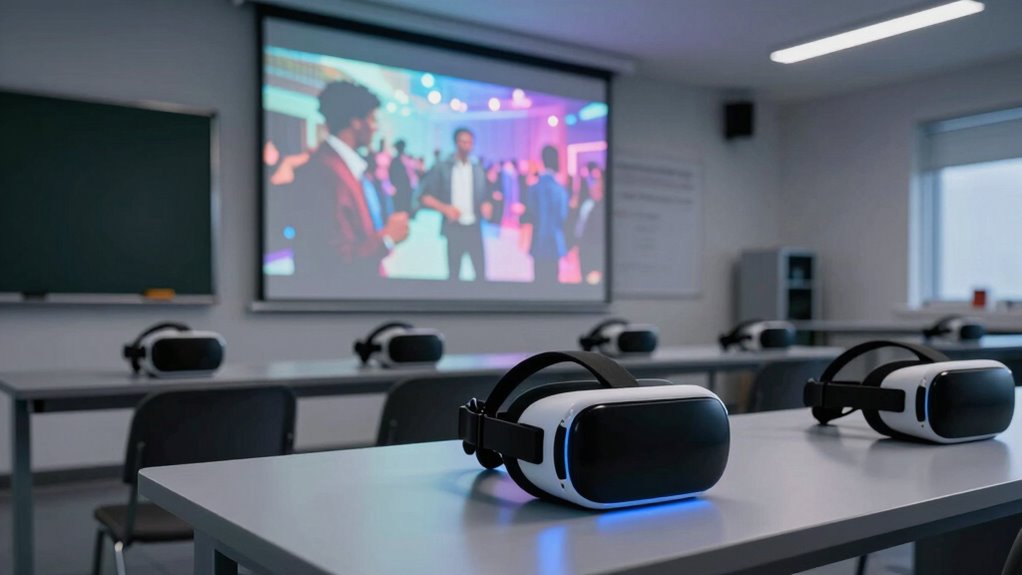
And honestly, if your school starts replacing awkward skits with Oculus Quest 2 headsets, you’d pay attention too.
The program, called Virtual-PRO, drops students into three intense 360° scenarios where they don’t just watch drama unfold—they live it, from the perspective of the victim, the bystander, even the perpetrator. One moment you’re just texting your friend about a party, the next you’re *in* that party, watching things go south, and making split-second choices that show real consequences.
It’s not about memorizing rules; it’s about *feeling* why those rules matter, which is why adolescent engagement skyrockets when the headset goes on.
Running over six one-hour sessions, the program uses debates, games, and role-play *outside* the VR world to make sure lessons stick. But let’s be real—the VR is the star. Eighty percent of students attended most sessions, and over half completed all six, which is wild for any school program, especially one tackling such heavy stuff.
Plus, less than 5% had trouble with motion sickness. (Sorry, haters—no more free excuses to skip class.)
And the results? Way more than just “feeling good.” Kids showed lower moral disengagement, stronger intent to intervene, and notably less acceptance of sexist attitudes—especially hostile ones.
Even cooler? Three months later, sexual victimization rates dropped, especially in online and verbal harassment zones. Early adolescents benefited the most, proving that timing, tech, and real talk make a powerful combo. Schools saw attitude shifts across the board, not just in participants.
This effect was seen despite similar improvements in students using traditional 2D videos, highlighting that non-VR program effectiveness can also yield significant results.
Yet, as promising as VR education is, experts stress the importance of addressing the risks these same immersive environments pose—particularly since 80% of people believe adolescents aged 13-16 face major risks in VR immersive spaces.
Success depends largely on reliable technology, as connectivity issues with devices can quickly derail even the most carefully designed educational programs.
References
- https://pmc.ncbi.nlm.nih.gov/articles/PMC10826979/
- https://journals.copmadrid.org/pi/art/pi2024a1
- https://cyberpsychology.eu/article/view/39186
- https://www.nspcc.org.uk/about-us/news-opinion/2023/over-75-of-people-believe-children-are-at-significant-risk-of-sexual-abuse-when-using-vr-technology/
- https://pmc.ncbi.nlm.nih.gov/articles/PMC11841731/
- https://www.fau.edu/newsdesk/articles/metaverse-dangers-youth-study.php
- https://itif.org/publications/2024/09/03/user-safety-in-ar-vr-protecting-kids/
- https://www.cornerstonevr.co.uk/education/