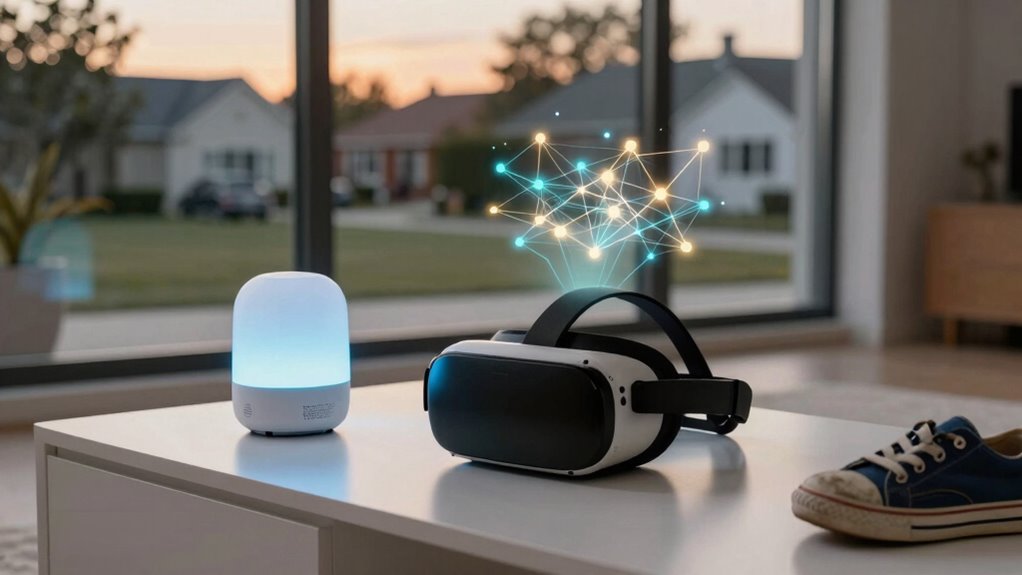
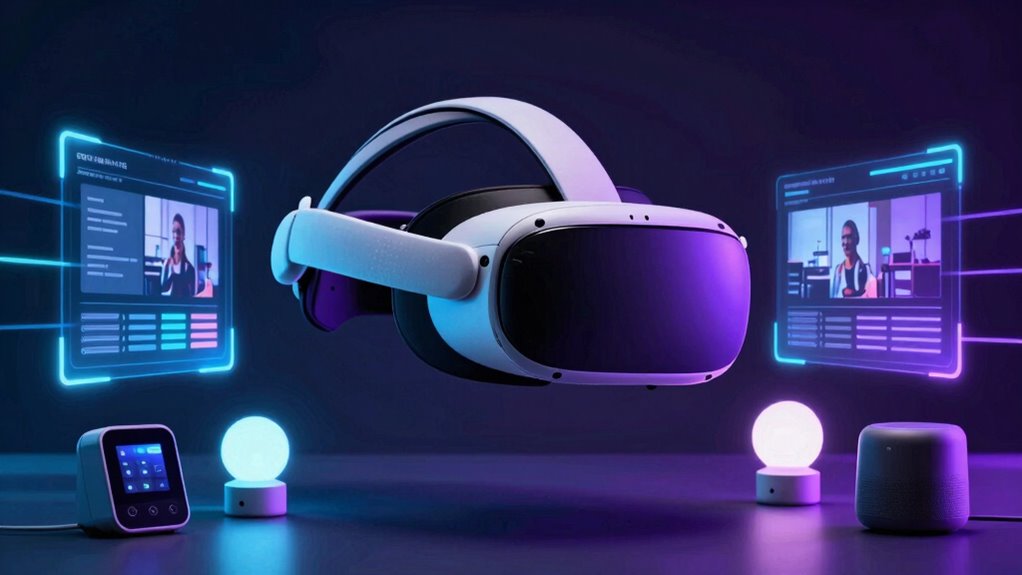
Virtual reality isn’t just flashy goggles and smoke machines; it’s shaping how we think about kindness. In the new wave of compassion-focused games, EmpathyInActionVRGame puts players in the shoes of a distressed child, requiring physical tasks and moral decision making to move forward. The setup feels simple at first, but the effects aren’t. Players describe a strong sense of immersive experiences that pull them into the scene, as if the screen becomes a doorway to someone else’s day.
Virtual reality reshapes kindness, pulling us into another’s day through immersive, compassionate gameplay.
Researchers note a notable rise in altruistic behavior after playing, with a medium effect size. That means people walk away more likely to help others in real life, even if their self-reported empathy dips a bit. It’s a curious decoupling, like finding out your brain is choosing actions based on longer-term values rather than immediate feelings. The strongest predictor of generous actions appears to be perceived gameplay effect—the personal sense that the game really mattered to them, more so than age, gaming background, or gender.
In this game, empathy training emerges not from wallowing in sorrow but through emotional engagement with virtual scenarios. Higher immersion correlates with bigger shifts toward both empathy and altruism. It isn’t just about feeling sad for a moment; it’s about how the mind rehearses compassionate responses and moral decision making in a controlled, reflective space.
The VR setting lets players observe consequences, weigh choices, and practice patience, all in a safe cockpit where errors teach rather than shame. There’s nuance, though. Some players show rising cognitive empathy while affective empathy wanes, yet the drive to help remains steady. They recognize the need, feel motivated, and act, even without fully sharing the emotion.
The immersion in a scenario like helping a boy find a lost dog boosts the desire to assist others, and players often reflect on real-life relationships after the session. As technology continues to evolve, compassion-driven VR experiences may soon be delivered and enhanced by household assistant robots anticipated to enter mainstream homes between 2028 and 2035.
References
- https://www.frontiersin.org/journals/virtual-reality/articles/10.3389/frvir.2025.1716138/full
- https://www.dfay.com/archives/4661
- https://phys.org/news/2026-03-virtual-reality-games-player-desire.html
- https://pubmed.ncbi.nlm.nih.gov/32763883/
- https://games.jmir.org/2026/1/e74337
- https://pmc.ncbi.nlm.nih.gov/articles/PMC9915010/
- https://games.jmir.org/2025/1/e62688