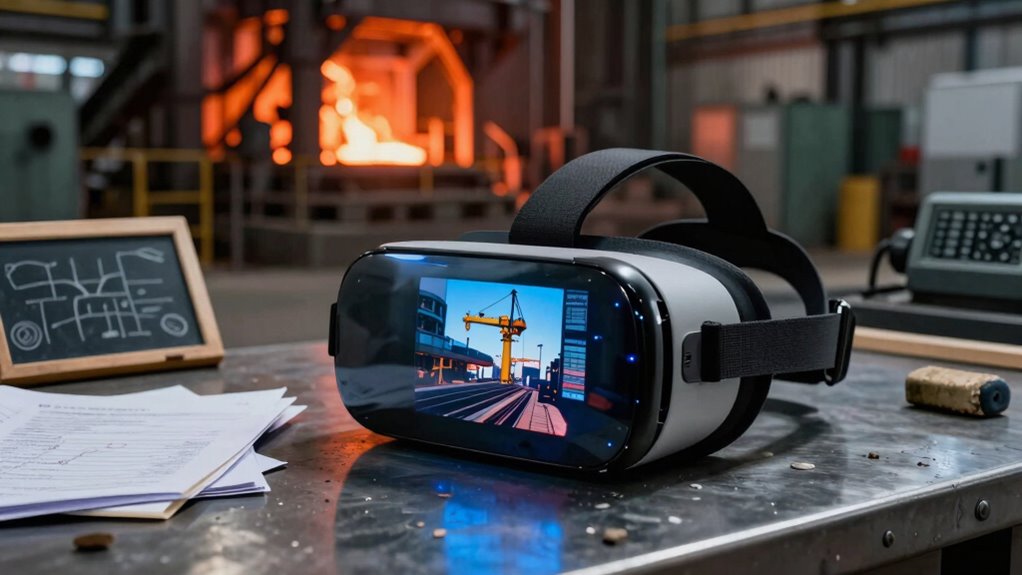
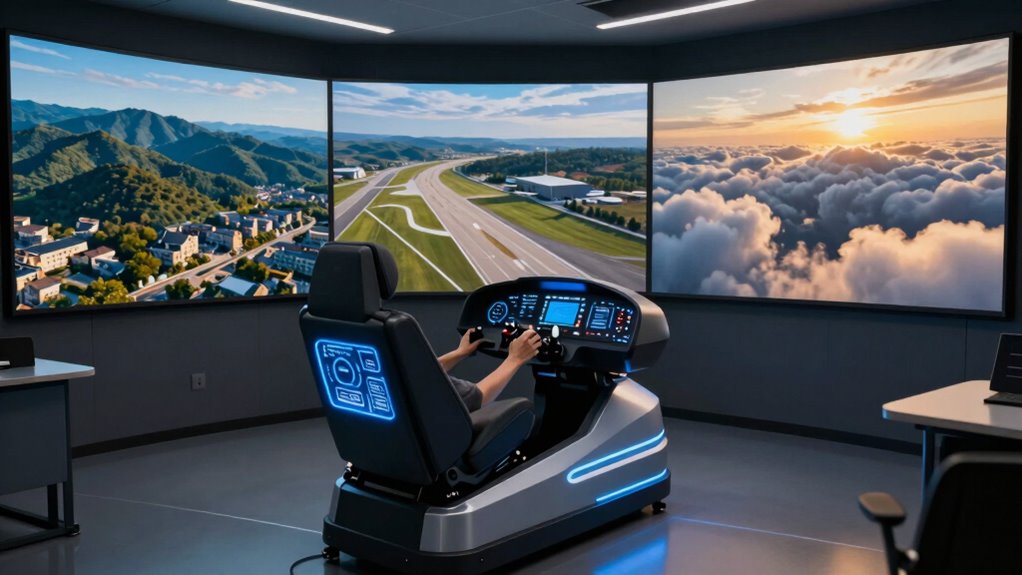
Steel plants are embracing virtual reality like never before, and the result is a game changer for training. Folks who have watched the old days of chalkboards and dusty manuals might be surprised, but the numbers tell a clear story. Steel plants are using VR simulations to train crane operators, run rolling mills, and even tour foundries without stepping into real danger.
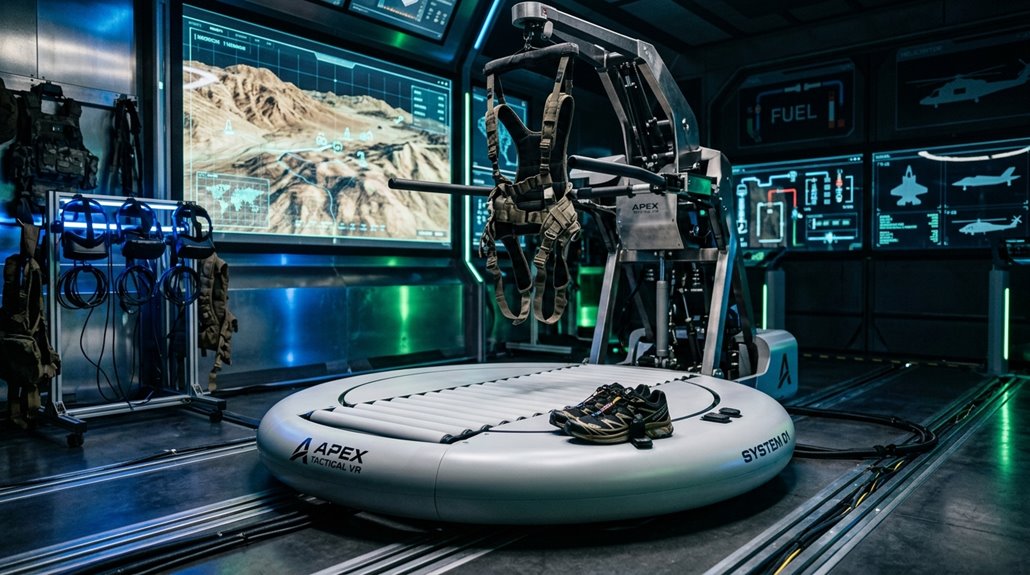
Tata Steel teams up with Steel Sim VR and Varjo to create crane operator training simulators that feel like the real cabin—complete with buttons, joysticks, and a cockpit buzz you can almost hear. BZI brings VR into SteelTech Academy for skills training and safety drills, turning the shop floor into a friendly classroom where mistakes don’t cost a finger.
In this shift, immersive learning becomes more than a buzzword. Trainees practice high-risk scenarios in a controlled space, which means safety enhancements aren’t just a slogan—they’re a built-in feature. VR lets people handle dangerous situations realistically but risk-free, so those essential safety habits stick. Operators get repeatable experiences, practicing hazard navigation until it’s second nature, and managers love the data trails showing progress, not just vibes.
It’s like upgrading from a broom to a meteor belt of training tools, with fewer props needed in the real world and more precision in the virtual one. The cost side also has a grin-worthy punch. Virtual training eliminates the need for pricey physical rigs whenever possible, trimming material waste and resource use.
It scales easily, letting large groups train together in the same simulated environment, which cuts down on downtime and supervision costs. It’s a practical win, especially when you think about not having to drag heavy gear into every drill. You don’t need to slap paint on walls or reset heavy machinery for each session—the VR world handles it all. Much like smart irrigation systems use real-time environmental data and automation to reduce waste and optimize outcomes, VR training platforms leverage live performance data and automated scenarios to conserve resources while ensuring optimal skill development.
SteelTech Academy’s modules cover a broad spectrum: crane operation with a realistic cabin, pipe cutting with precise measuring and tool choices, and even foundry tours that mimic casting and forging. Industry voices say the realism is uncanny, with lifelike cabins and immersive tutorials that feel almost tangible.
In short, the steel industry is trading old-school drill books for immersive simulations, where safety wins, costs shrink, and learning sticks in a way that’s genuinely modern.
References
- https://www.youtube.com/watch?v=GhvkIdcPG6E
- https://highways.today/2024/10/03/steel-industry-vr/
- https://eoxs.com/new_blog/future-of-training-virtual-reality-for-steel-industry-employees/
- https://varjo.com/case-studies/shaping-the-future-of-steel-production-training-tata-steels-pioneering-use-of-vr-with-steel-sim-vr-and-varjo
- https://www.metalforamerica.org/virtual-reality-metallurgy/
- https://asfanco.com/virtual-reality/vocational/plumbing-training/cutting-and-straightening-steel-pipes
- https://steelsimvr.com/2025/10/07/steel-sim-vr-crane-simulator-faq/
- https://www.youtube.com/watch?v=ah2Hsbvtthc