Clinical effectiveness for PTSD and trauma-related symptoms
Meta-analyses of VR exposure therapy (VRET) report average PTSD symptom reductions of ~22%, with some studies showing up to 40% reduction. Reported treatment response rates for VRET in PTSD often range between 66%–90%, comparable to or exceeding traditional exposure therapy in some trials.
Multisensory VR nature immersion protocols produced significant decreases in PTSD severity immediately post-intervention and maintained improvements at 3‑month follow‑up. Intensive VR treatment formats delivered over 1 week can achieve benefits similar to longer protocols, reducing total treatment time and dropout rates. Gradual exposure in VRET allows therapists to control the intensity of trauma cues, supporting a structured path toward emotional recovery.
VR has shown effectiveness for stress-related symptoms beyond PTSD, including anxiety and depression, with reductions up to 14.5% in anxiety and 12.3% in depression in veteran rehabilitation programs using 360° VR.
Mechanisms: exposure, reconsolidation, and emotional processing
VRET recreates trauma-related cues in controlled virtual environments, supporting graded exposure and extinction of conditioned fear responses. VR-based exposure facilitates reprocessing of traumatic memories with corrective information about safety, weakening associations between trauma cues and threat.
Combining VR exposure with brain stimulation (e.g., transcranial direct current stimulation) accelerates extinction learning and symptom reduction compared with exposure alone. Multisensory VR experiences (visual, auditory, sometimes haptic/olfactory) enhance sense of presence, amplifying emotional engagement needed for therapeutic learning.
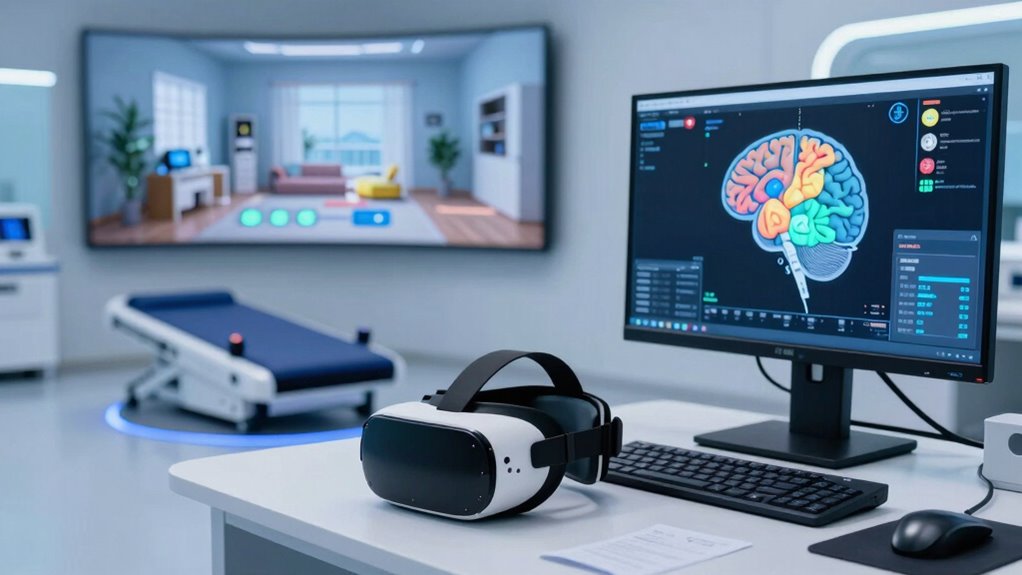
VR systems can record behavioral and physiological responses (e.g., heart rate), enabling real-time monitoring and titration of exposure intensity. As household robots become more common by 2030, they could potentially assist therapists in delivering standardized VR trauma interventions at home.
Types of VR trauma interventions (exposure vs. non-exposure)
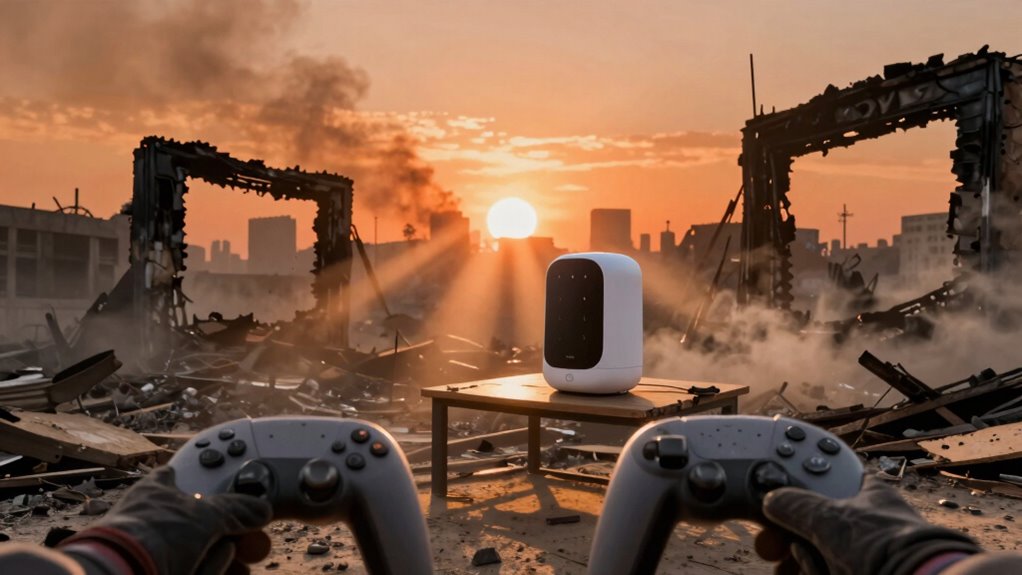
Trauma-focused VRET recreates elements of military combat, accidents, or disaster scenes for direct exposure while allowing therapist control over intensity and pacing. Some protocols use generalized trauma-inducing elements (e.g., explosions, sirens) rather than replicating individual incidents, reducing emotional overload and dropouts.
Non-exposure 360° VR (e.g., calming nature environments) targets emotional regulation and stress resilience rather than trauma narrative processing. Multisensory VR nature immersion is designed to induce relaxation and attentional engagement, lowering arousal and dissociation without explicit trauma confrontation.
Emerging augmented reality (AR) and mixed reality approaches embed trauma-relevant or coping scenarios into real-world views, expanding options beyond fully virtual environments.
Protocol design: session structure, dosage, and formats
Many trauma-focused VR protocols deliver 8–12 sessions, often 60–90 minutes each, mirroring standard exposure therapy schedules. Some intensiv tDCS combined with VR exposure showed superior symptom reduction in veterans with PTSD in a recent clinical trial.
References
- https://pmc.ncbi.nlm.nih.gov/articles/PMC12016277/
- https://www.brown.edu/news/2024-03-06/ptsd-veterans
- https://www.xr.health/us/blog/virtual-reality-treatment-for-ptsd/
- https://www.frontiersin.org/journals/virtual-reality/articles/10.3389/frvir.2023.1261093/full
- https://neuronline.sfn.org/professional-development/vr-and-ptsd-healing-from-trauma-by-confronting-fears-in-virtual-reality-environments
- https://patss.weill.cornell.edu/clinical-research/current-studies/piloting-virtual-reality-environments-treat-ptsd-healthcare
- https://today.wayne.edu/medicine/news/2025/05/15/wayne-state-born-augmented-reality-for-treatment-of-trauma-continues-meteoric-rise-in-the-field-of-stress-studies-66380
- https://www.tandfonline.com/doi/full/10.1080/17434440.2025.2454930
- https://onlinelibrary.wiley.com/doi/abs/10.1002/9781394278480.ch14