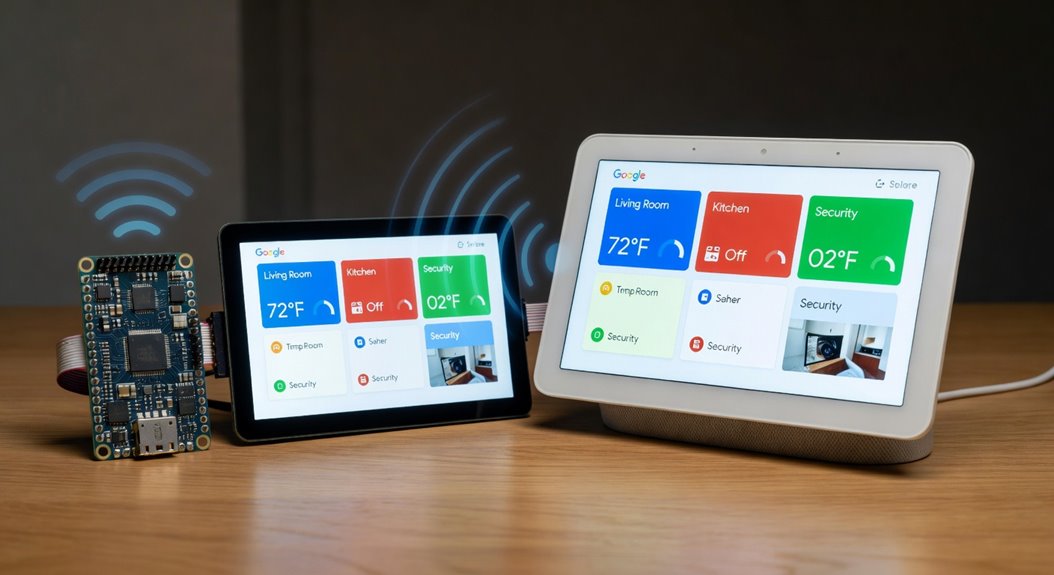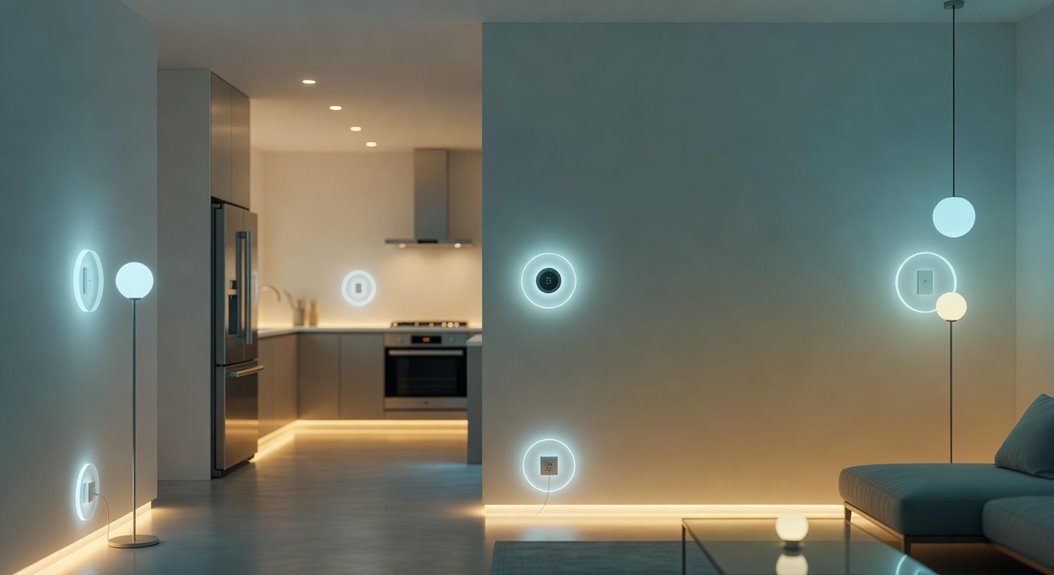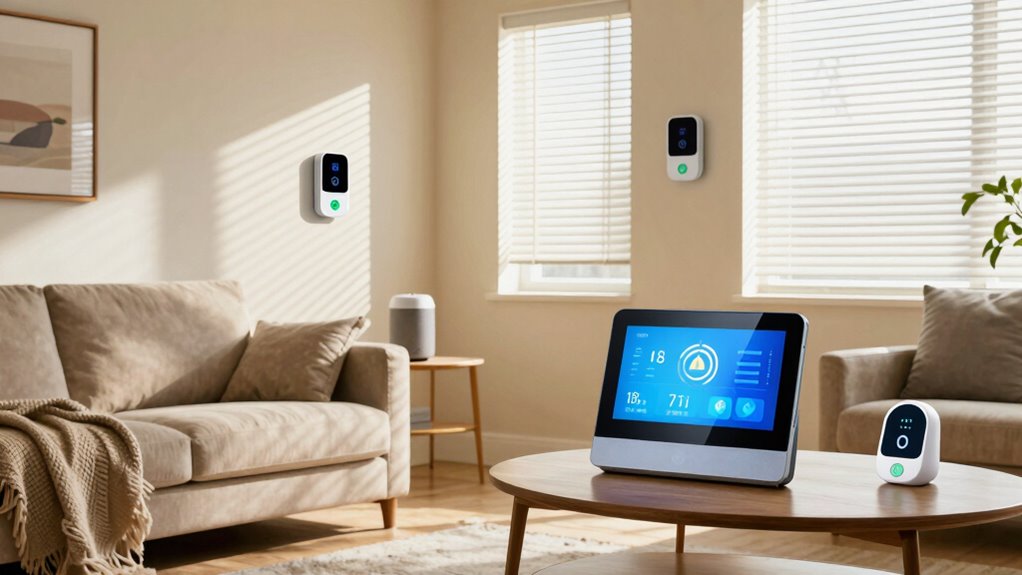
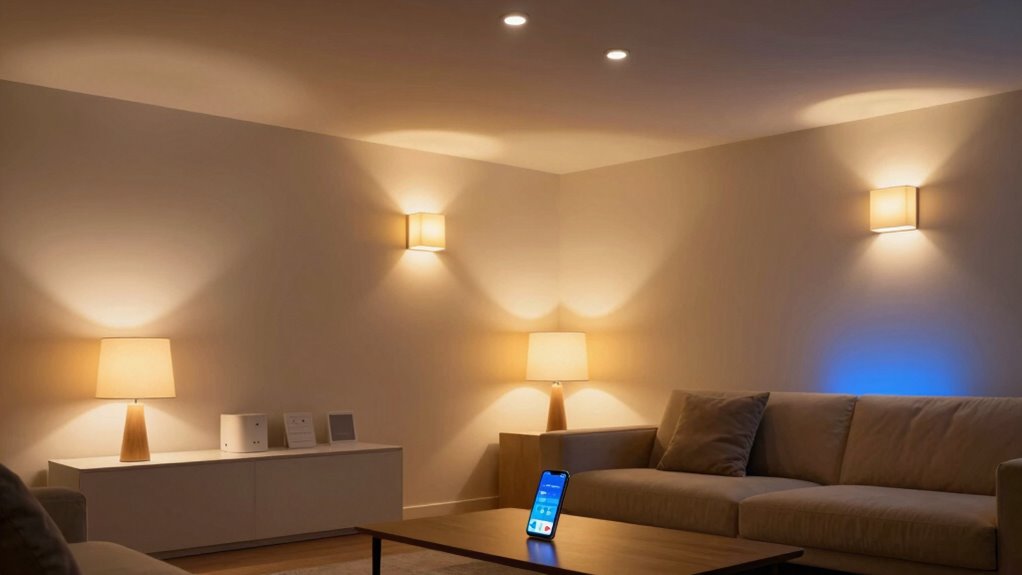
Although demographic shifts in aging populations present significant challenges to healthcare delivery, smart home technology adoption among adults aged 50 and over demonstrates growing interest and potential for enhancing senior care. Approximately 75% of adults aged 50 and above in countries including Canada express a favorable disposition toward smart home environments equipped with sensors and devices capable of monitoring health metrics and alerting healthcare teams and family members to emergent situations.
Additionally, 67% of this cohort report moderate to high likelihood of utilizing digital technologies that enable real-time collection and transmission of physiological data such as blood pressure, facilitating continuous clinical oversight. This consumer openness highlights the potential to empower consumers in managing their health more actively. The demand for in-home care services continues to rise as many older adults prefer receiving care in their own homes rather than in facilities, further driving interest in smart home applications for elder care preference for in-home care.
Subsequent studies indicate that 56% of older adults are amenable to voice-enabled digital assistants designed to dispense reminders for medication adherence, hydration, physical activity, and healthcare appointments, thereby contributing to enhanced treatment compliance and self-management. Nearly half (49%) of respondents express openness to artificial intelligence applications that aggregate and analyze health data to identify risk factors and personalize therapeutic regimens.
These preferences emerge in the context of almost 60% of older consumers rating existing care delivery systems as inadequate, consequently propelling interest in technological solutions that support aging in place.
Concurrently, demographic pressures intensify within Canada, where the population aged 65 and older expanded from 2 million in 1977 to 6.2 million by 2017 and is projected to reach 10.4 million by 2037, constituting a 68% increase over two decades. The subset of seniors aged 75 and above is expanding at an even higher rate, escalating requirements for safety monitoring and assistance technologies.
Given that approximately 90% of Canadians aged 65 and older reside in private homes and nearly one-third live alone, the integration of fall detection, emergency alert systems, and remote health monitoring within smart home ecosystems assumes critical importance. Many seniors are now considering security cameras with local storage options that provide protection without the burden of monthly subscription fees, allowing for more affordable long-term monitoring solutions.
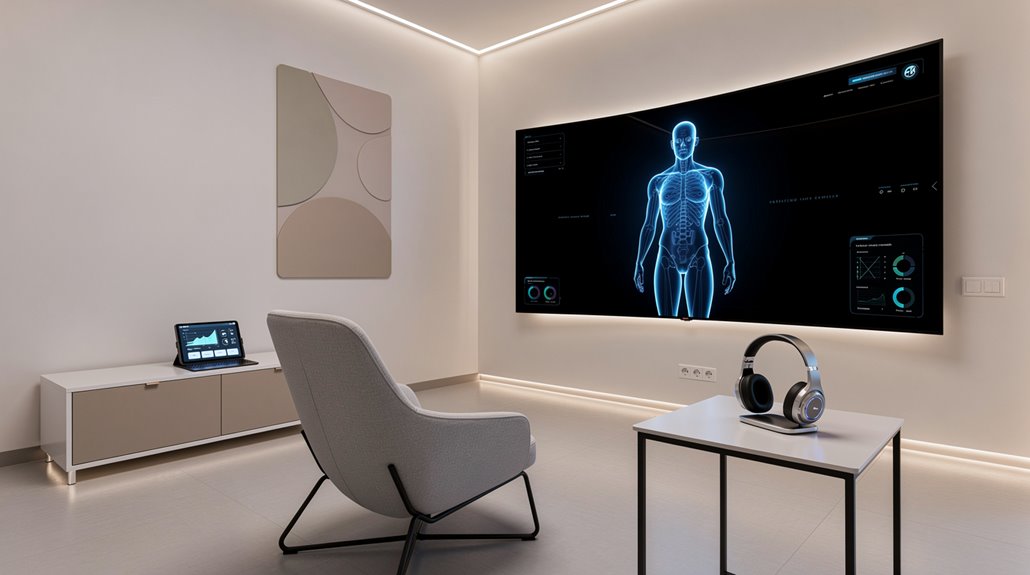
Advanced sensor technologies—including ambient sensors, motion detectors, contactless heart rate and respiratory monitors, and wearable medical alert devices—enable continuous surveillance of daily activity patterns and physiological markers, facilitating early identification of health anomalies.
Automated alerts can expedite caregiver response and emergency interventions, mitigating adverse events and reducing hospitalizations through proactive management. Complementary systems such as programmable smart lighting and thermostats enhance environmental safety and comfort, reducing fall risks and supporting autonomously maintained living conditions for mobility-impaired seniors.
References
- https://www.cchealthcareintermediary.com/post/most-seniors-are-ready-for-smart-homes
- https://www.caresmartz360.com/blog/home-care/whats-next-for-canadian-home-based-care-in-2025/
- https://affinityhealth.ca/revolutionary-innovations-in-elderly-care-how-technology-is-transforming-senior-support-in-canada/
- https://nrc.canada.ca/en/stories/smart-homes-helping-older-adults-live-safely-independently
- https://www.factmr.com/report/senior-tech-services-market
- https://www.mcknightsseniorliving.com/news/smart-home-tech-the-answer-for-aging-in-place-older-adults-say/
- https://www.ashb.com/research/2025-smart-home-trends-technology-adoption/
- https://www.cma.ca/latest-stories/can-age-tech-bring-dignity-back-care-older-adults
- https://www.canada.ca/content/dam/esdc-edsc/documents/corporate/seniors-forum-federal-provincial-territorial/impact-internet-report/impact-internet-tools.pdf