Call it comfort, call it convenience, or just call it *”no more hospital socks“*—home infusion therapy is having a major moment. Seriously, who misses those flimsy blue slips that never stay on anyway? Turns out, billions do—because the market’s ballooning, hitting anywhere from $37.72 billion in 2023 to a wild $92.23 billion by 2032, growing over 11% every year. That’s like upgrading from a flip phone to a smartphone every few months, but for healthcare. And the best part? You don’t even need to leave your couch.
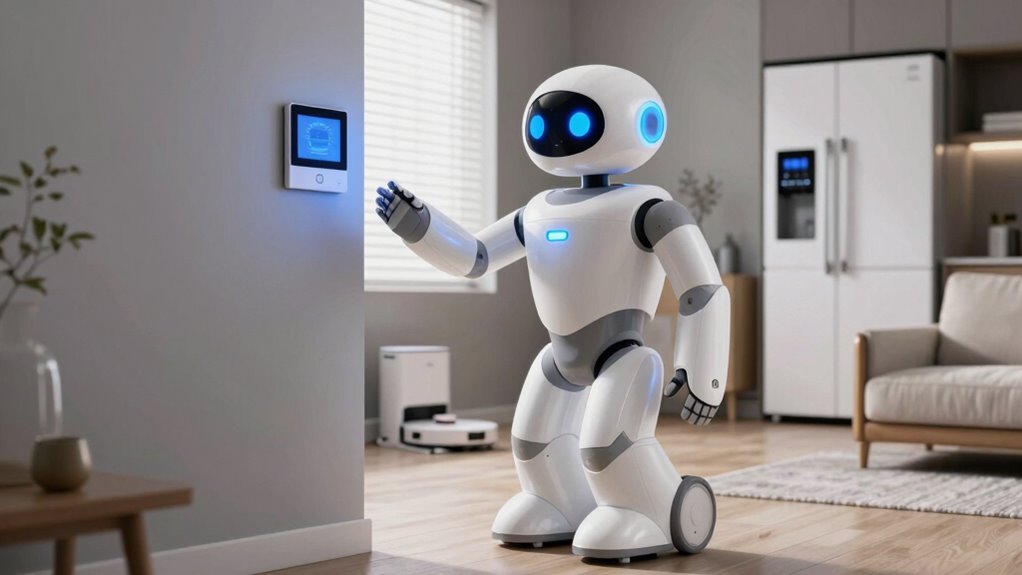
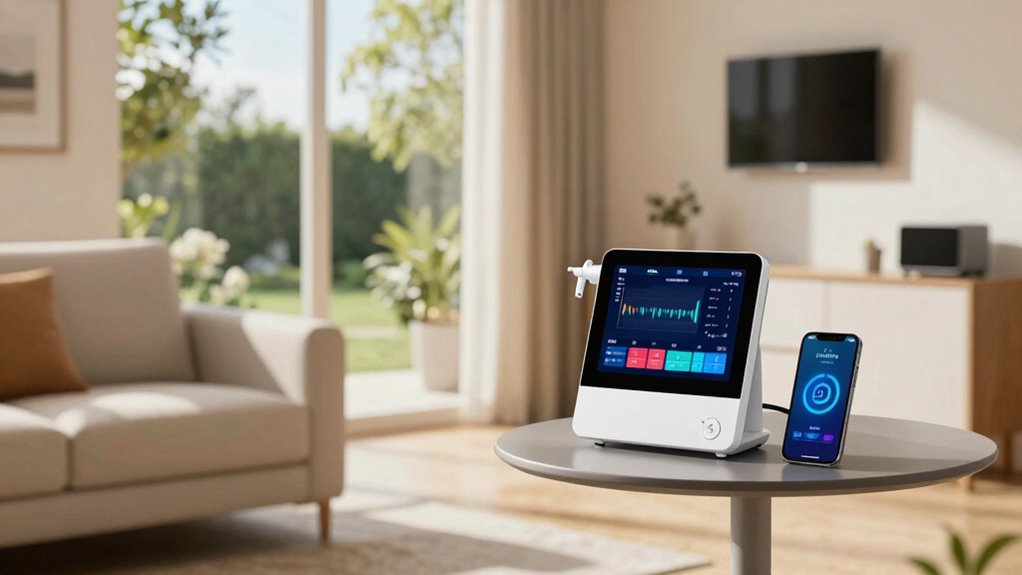
Infusion pumps rule the product scene, grabbing nearly half the market by 2024, with insulin pumps leading the squad. These little gadgets are like personal cheerleaders for your meds—especially if you’re dealing with diabetes or tough infections. Thanks to slick tech upgrades, like Baxter’s Sigma Spectrum system, these devices aren’t just beeping in the corner. They’re smart, connected, and sometimes even text your doc if something’s off. That’s *technology integration* at work—making home care feel more like a sci-fi movie and less like a medical drama.
Infusion pumps aren’t just beeping anymore—they’re smart, connected, and texting your doctor, turning home care into a sci-fi win.
It’s not just about fancy gadgets, though. This whole wave is fueling *patient empowerment* like never before. Imagine treating infections, cancer, or chronic conditions while binge-watching your favorite series or cooking dinner without hospital cafeteria mystery meat. Patients aren’t just passive receivers anymore—they’re in control, making choices, tracking therapy, and living fuller lives. Modern home infusion systems are increasingly incorporating voice assistant technology similar to how Alexa functions as the brain behind Echo devices, allowing patients to control treatments through simple verbal commands.
Even chemo’s moving into living rooms, projected to snag over 30% of the application pie thanks to rising cancer cases and better home-ready solutions. North America‘s leading the charge, with the U.S. alone expected to jump from $20.4 billion in 2024 to nearly $31.8 billion by 2030.
But Asia Pacific? They’re sprinting, fueled by government support and a growing need for affordable, long-term care. Sure, there are hiccups—like infection risks or tight regulations—but innovation keeps pushing forward. From elastomeric pumps to needleless connectors, the future of infusion therapy isn’t in sterile rooms. It’s in homes, in comfort, and frankly, in pajamas. And honestly? That’s a prescription everyone can get behind growing at 8.6% CAGR. The South & Central America market is also expanding rapidly, projected to reach US$ 2,587.96 million by 2028.
References
- https://www.theinsightpartners.com/reports/home-infusion-therapy-market
- https://www.businessmarketinsights.com/reports/south-and-central-america-home-infusion-therapy-market
- https://www.stratviewresearch.com/1016/home-infusion-therapy-market.html
- https://www.biospace.com/press-releases/home-infusion-therapy-market-size-to-hit-38-4-billion-by-2031-coherent-market-insights
- https://dimensionmarketresearch.com/report/home-infusion-therapy-market/
- https://www.fortunebusinessinsights.com/home-infusion-therapy-market-102989
- https://www.grandviewresearch.com/horizon/outlook/home-infusion-therapy-market/united-states
- https://www.globenewswire.com/news-release/2023/06/14/2687989/28124/en/Global-Home-Infusion-Therapy-Market-Forecast-to-2028-Reduction-in-Duration-of-Hospital-Stays-and-Cost-of-Care-Drives-Growth.html