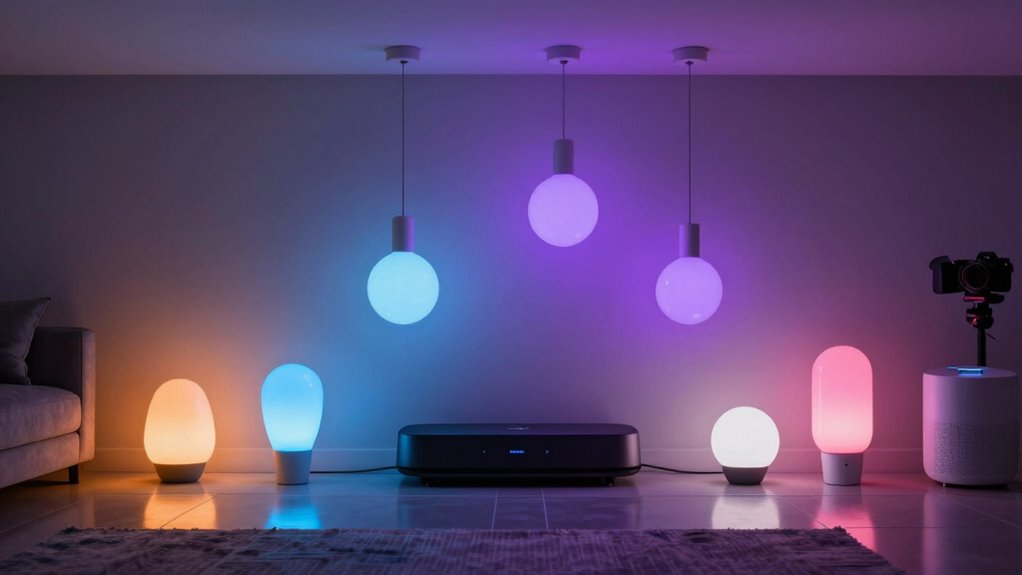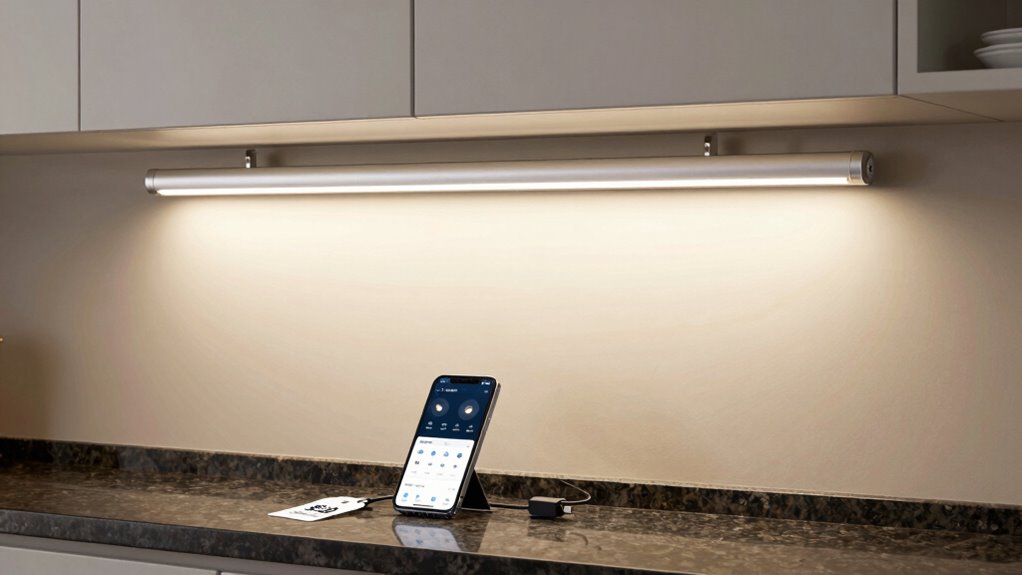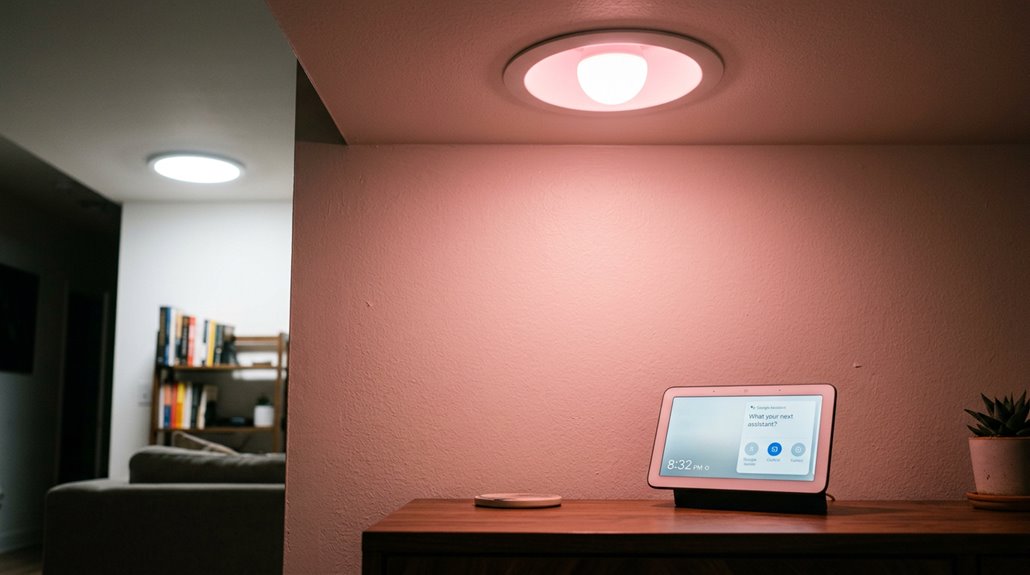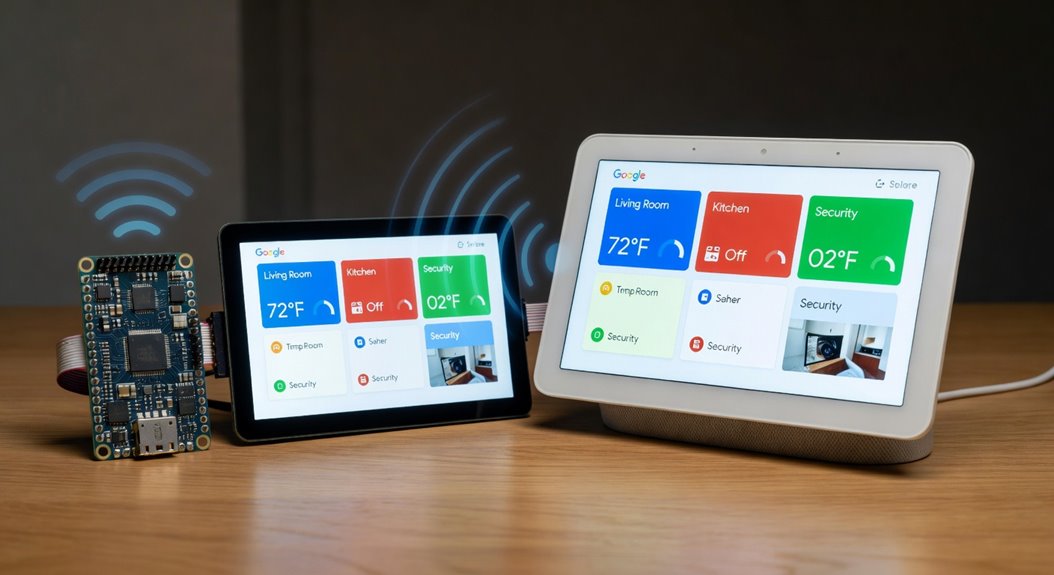

While most folks are busy arguing over which smart light knows their coffee order better, a quiet revolution is glowing under kitchen cabinets and sneaking into backyard sheds—rechargeable sensor LED strips are skipping the Wi-Fi handshake and just getting stuff done. Take that $2.1 strip from a wholesale aluminum factory direct—it’s not flashy, but it outshines smart lights costing over fifty bucks, thanks to serious cost efficiency and environmental benefits. Unlike smart lights with potential security vulnerabilities, these simple strips can’t be hacked to spy on your home.
Sure, the rechargeable ones cost a bit more upfront, say $30 for a lantern model, but think long-term: no chasing down AAA packs every few months. Imagine tossing five sets of batteries each month—crazy, right? Non-rechargeable lights seem cheap at first, but they bleed your wallet over time, while smart lights just bleed money from day one.
And let’s talk trash—literally. Rechargeable LED strips drastically cut down waste, with one lithium-ion battery replacing over 100 disposable ones. The U.S. dumps three billion of those little toxic cans yearly, most ending up in landfills. Yikes.
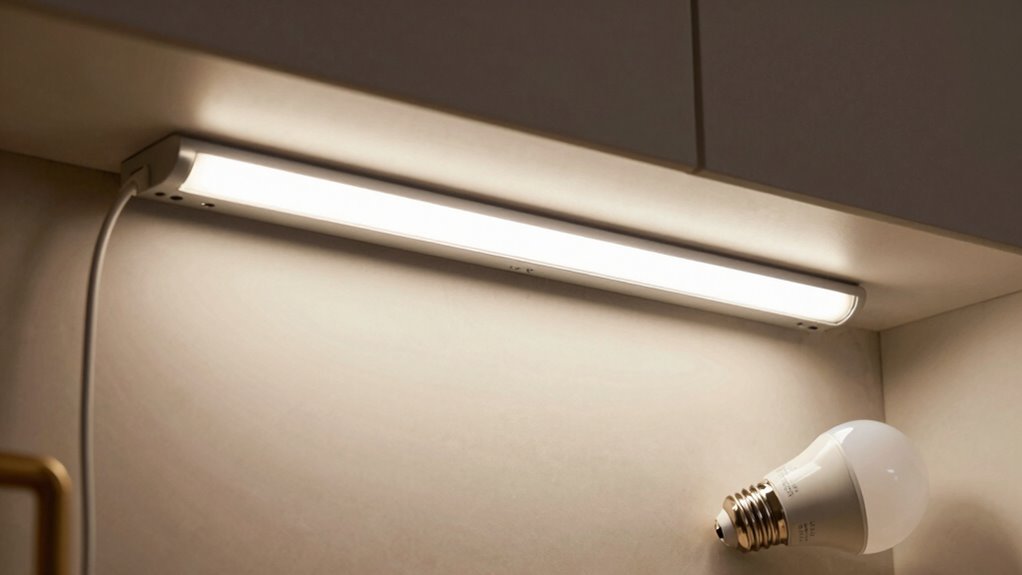
Rechargeables aren’t perfect—their batteries last 2 to 5 years and need proper recycling—but they’re a greener step, especially compared to smart lights loaded with e-waste-prone electronics. Plus, these simple strips don’t need apps or hubs; slap ’em up with adhesive, cut to size, and boom—done in 15 minutes. No screws, no fuss, unlike linear smart bars that turn installation into a DIY drama. Flexible, adhesive-backed strips
They’re bright, too—no dimming like old-school batteries—and the motion sensor kicks in reliably, no spotty Wi-Fi required. Runtime? 4 to 20 hours, depending on use, and solar or USB charging keeps them ready. No one wants a dead flashlight during a blackout, and let’s be real, disposables always die at the worst time.
With durable aluminum housing, better heat control, and LEDs rated for 50,000 hours, these strips aren’t going anywhere. They’re the under-the-radar heroes: tough, thrifty, and kinder to the planet. Who knew saving bucks and the Earth could be this easy?
References
- https://lepotecshop.com/blogs/news/comparison-of-rechargeable-vs-non-rechargeable-led-lights
- https://lumazlife.com/blogs/under-cabinet-lighting/led-strip-lights-vs-linear-bar-lights-which-is-better-for-under-cabinets
- https://www.homedepot.com/p/reviews/EcoSmart-9-8-ft-Battery-Operated-Dimmable-Linkable-Bright-White-LED-Strip-Light-with-Motion-Sensor-and-Remote-Control-LR411U-2-4X7-U/325156359/1