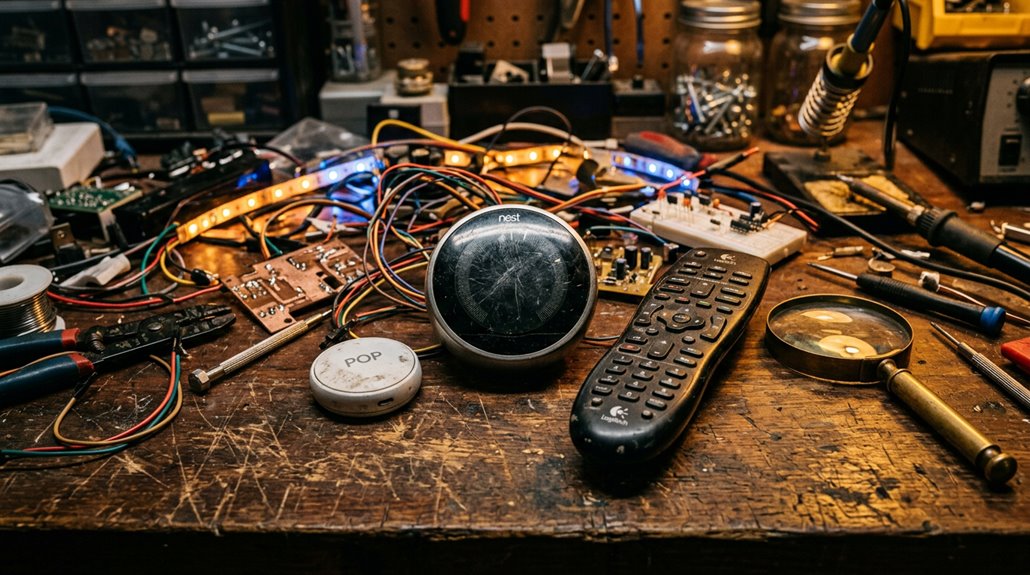
The buzz around home tech today feels a bit like a garage sale for gadgets that once ruled the living room. Nest thermostats from the first and second generations, Logitech POP buttons, Harmony remotes, and the cheap SmartThings Vision camera are all hanging on shelves, gathering dust while manufacturers proudly announce they’re “too old” for 2026.
Yet, behind the sighs of obsolescence, there’s a hidden treasure trove for anyone willing to give these relics a second chance. By focusing on device longevity and smart repurposing, hobbyists can turn yesterday’s trash into today’s automation gold.
Most of these gadgets fell out of favor because business models shifted, sales dwindled, and software updates stopped. Without patches, they become security liabilities—unpatched vulnerabilities, privacy risks, and the ever‑looming threat of a hacker slipping through a weak link.
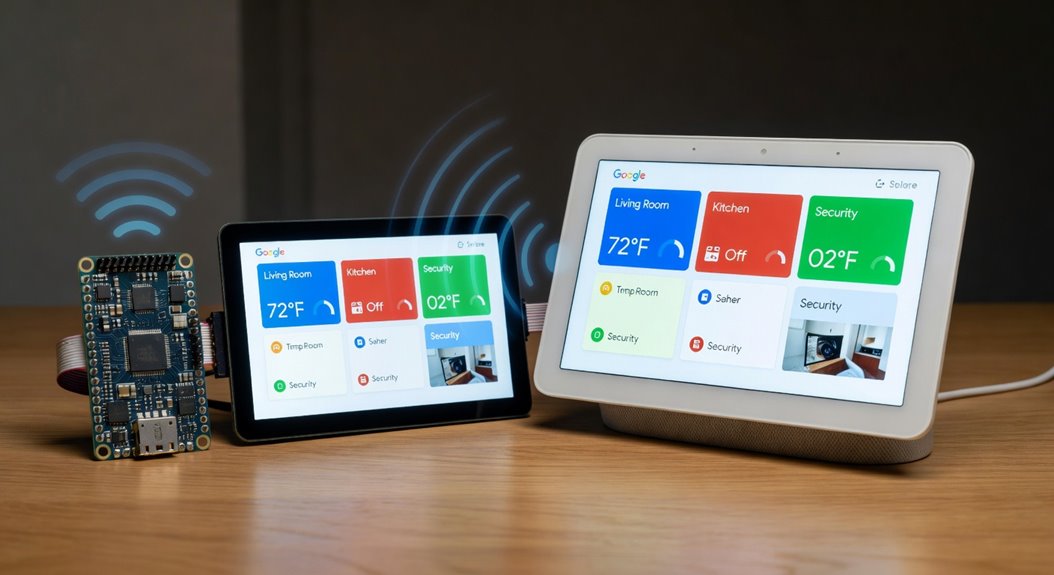
The Nest thermostat, for example, can no longer speak the new Matter language, and the Harmony remote lost its cloud backing, leaving owners with a useless piece of plastic. But the same lack of official support opens a door for community‑driven solutions. Home Assistant, the open‑source hub that loves old protocols, can breathe life back into these devices, letting them talk locally instead of relying on a dead cloud.
Imagine taking a Logitech POP button, flashing it with custom firmware, and using it to trigger a coffee maker or a hallway light. The process is surprisingly simple: wipe the data, flash the firmware, and connect it to Home Assistant. The result is a device that no longer worries about a forgotten update, because you control the code.
The same trick works with a Nest thermostat: a local integration can keep the temperature stable, avoid the expensive “upgrade” notifications, and even add quirky automations like “turn the heat down when the cat jumps on the couch.” Smart repurposing isn’t just about saving money; it’s about extending the life of hardware that would otherwise end up in a landfill, where lithium batteries and electronic waste pose environmental hazards.
The real kicker is the community. Forums are full of anecdotes about people who turned a discarded SmartThings Vision camera into a pet‑monitoring eye, or who repurposed a Harmony remote to control a DIY home theater setup. Much like how Kasa smart plugs can retrofit older appliances for voice control, repurposed legacy devices can be wired into modern automation pipelines with surprisingly little effort.
These stories show that with a bit of curiosity and a willingness to tinker, the “obsolete” label becomes a badge of honor. The market trends of 2026 may push consumers toward newer Matter‑compatible gadgets, but for those who love a good hack, the old devices remain valuable.
They’re not just relics; they’re gold mines for anyone who enjoys a little DIY magic, a dash of humor, and the satisfaction of making old tech work again. Google retired the first and second‑generation Nest Learning Thermostats.
References
- https://www.howtogeek.com/these-smart-home-devices-are-officially-too-old-for-2026/
- https://www.youtube.com/watch?v=hSDKBITqLx4
- https://www.homeserve.com/en-us/blog/how-to/smart-home-tech-becomes-obsolete
- https://www.familyhandyman.com/list/weird-smart-home-gadgets-you-didnt-know-existed/
- https://www.youtube.com/watch?v=tk8YKHFsPcY