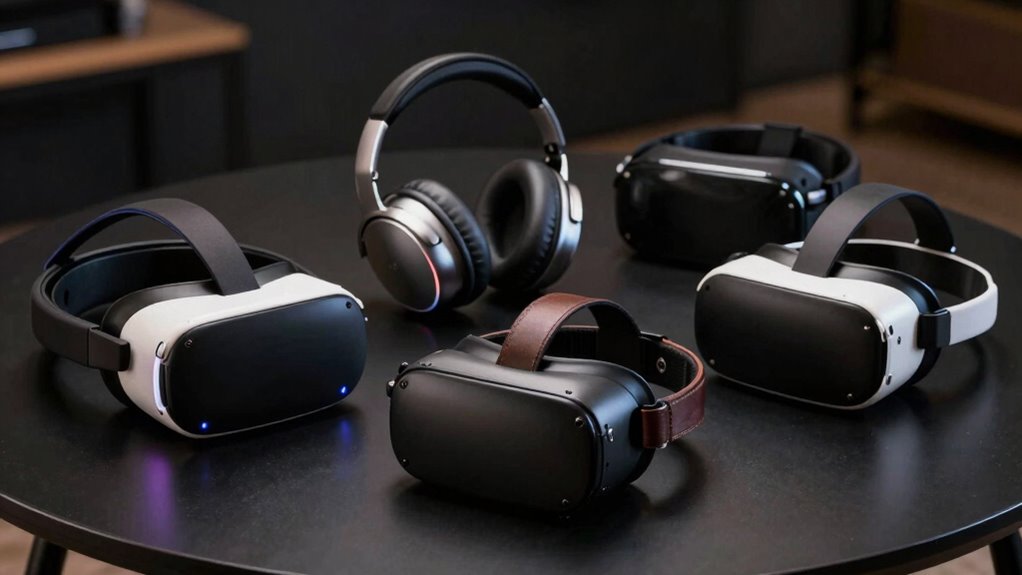
As mobility limitations increasingly constrain the physical, cognitive, and social engagement of older adults, virtual reality technology has emerged as a multifaceted intervention capable of addressing interconnected challenges facing this demographic.
VR interventions for older adults demonstrate measurable therapeutic outcomes, with 77% of participating seniors in community settings reporting improved mood following VR activities, while rehabilitation-focused implementations yield reductions in pain interference by 44%, fall anxiety by 48%, and loneliness by 33% through twice-weekly sessions.
Virtual reality delivers quantifiable benefits for seniors: 77% report improved mood, with significant reductions in pain, anxiety, and loneliness through structured sessions.
Hospital-based applications further validate efficacy through significant decreases in both pain and stress metrics among geriatric inpatients during short-term exposure.
Interactive VR physical training protocols consistently outperform traditional methodologies in improving functional mobility and balance parameters among older populations, with senior facilities documenting 30% higher participation rates in VR exercise programs compared to conventional activities.
Across stroke rehabilitation and mobility-focused clinical trials, 89% of VR interventions demonstrated improvements in functional capacity measures including Fugl-Meyer assessment scores, proprioceptive function, and spatial orientation.
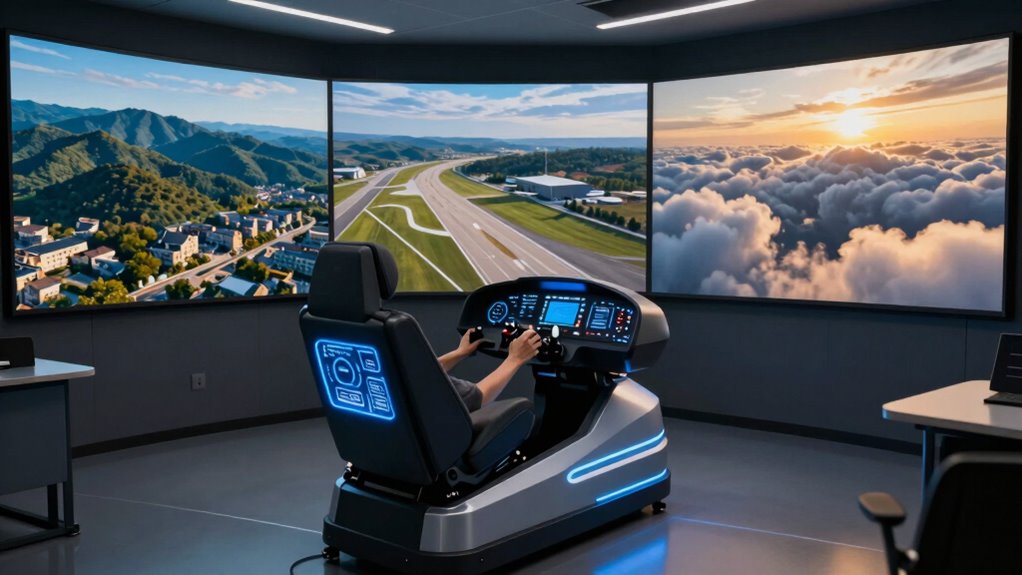
Specialized systems such as PedaleoVR receive favorable ratings for credibility, user interface accessibility, and motivational impact in lower-limb cycling applications without inducing significant cybersickness symptoms in geriatric users.
Cognitive applications address the substantial prevalence of neurocognitive decline, given that 10% of US adults over 65 have dementia diagnoses and 22% present with mild cognitive impairment.
VR implementations in senior communities produce documented enhancements in memory retention, executive function, visuospatial abilities, and cognitive flexibility through multi-sensory engagement protocols, while memory care units report increased cognitive activation compared to traditional activity programming.
Balance training conducted in safe virtual environments contributes to measurable fall risk reduction through controlled movement practice.
Social isolation affects approximately one-quarter of adults over 65, establishing clear demand for VR-facilitated social experiences.
Virtual meetups, group tours, and collaborative VR sessions generate increased social interaction frequency and conversational depth among residents in senior living environments, addressing the intersection of mobility constraints and social disconnection through technologically mediated engagement opportunities.
Beyond recreational applications, XR integration into rehabilitation protocols demonstrates effectiveness for stroke recovery through immersive guidance systems that support motor and cognitive restoration.
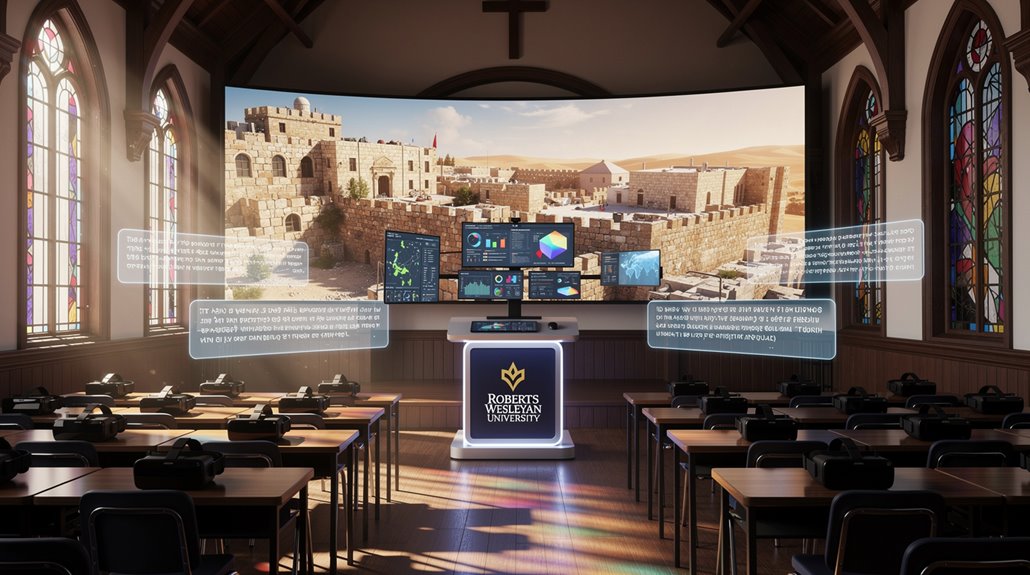
The British Museum alone recorded 50,000 virtual visits from senior care facilities in 2023, demonstrating the substantial reach of virtual cultural programming for older adults.
Similar to how voice control enables seamless smart home management with Alexa+, VR interfaces provide intuitive navigation of virtual experiences for seniors with limited dexterity.
References
- https://seniorsite.org/resource/virtual-reality-programs-show-rising-adoption-in-senior-communities/
- https://pmc.ncbi.nlm.nih.gov/articles/PMC11745011/
- https://pmc.ncbi.nlm.nih.gov/articles/PMC10881650/
- https://arxiv.org/html/2506.22932v1
- https://www.jmir.org/2025/1/e54452/
- https://vhil.stanford.edu/sites/g/files/sbiybj29011/files/media/file/moore-et-al-2023-from-65-to-103-older-adults-experience-virtual-reality-differently-depending-on-their-age-evidence.pdf
- https://www.selectrehab.com/pdfs/vr_revolutionizing_rehab.pdf
- https://www.xr.health/us/blog/virtual-reality-therapeutic-tool-elderly/