China’s VR cinema revolution is taking off, and it feels like stepping into a sci‑fi movie where the popcorn is real and the screen is everywhere. In Xi’an’s Film Studio Park, the Boundless XR Cinemas opened with a splash on CCTV, and suddenly the city’s skyline seemed to ripple with 360‑degree stories.
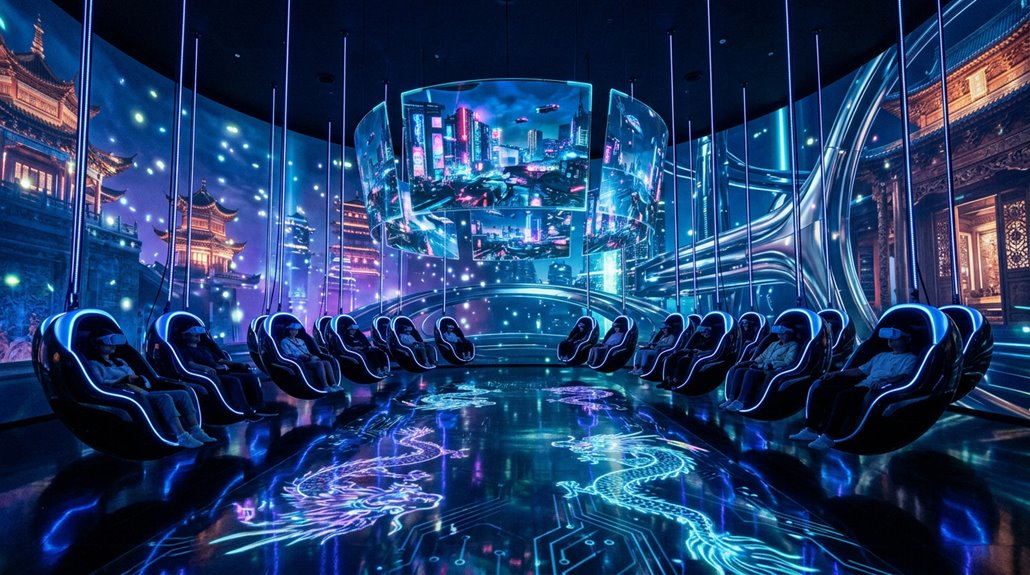
The first VR‑only cinema, 798 Hyper Vision, spread across 3,500 square meters in Beijing’s art district, offering seven themed spaces that screen fifteen films on three floors. Visitors can roam, wave their hands, and even talk to virtual characters, turning a night out into a game of hide‑and‑seek with the plot. This free‑roaming, head‑mounted display setup shatters the old “sit‑still‑watch” model, delivering immersive storytelling that pulls the audience right into the narrative.
The numbers back up the hype. Since opening in May 2025, 798 Hyper Vision has drawn more than 63,000 guests, a figure that swells to 80,000 when the New Year holidays roll around. Across the country, VR film users hit 280 million in 2025, with Chinese fans making up 42 percent of that crowd. In first‑tier cities, penetration topped 60 percent, and relaxed visa rules have turned the VR theaters into a magnet for curious tourists.
The Chinese National Film Administration has approved 14 new VR films, bringing the total to 28 with Dragon Seal permits, and even issued the first VR screening license, weaving the technology into the national film management system.
Regulators aren’t just watching; they’re shaping the future. The world’s first national guideline, “Notice on Promoting the Orderly Development of Virtual Reality Films,” rolled out in 2026, laying down technical requirements for production, screening, and viewing. Nearly 140 VR projects have been filed nationwide, and the National Virtual Reality Film Technology Innovation Center in Xi’an is setting XR standards that could become the global benchmark.
Local governments are also in on board. Beijing, Shanghai, Fujian, and Henan have drafted policies that nurture VR studios, while Henan’s 2026 work report explicitly mentions VR film development. China Film Group is pushing AI‑live‑action integration, making the virtual world feel almost as real as the physical one. Dubbing and translation tools are being refined, so a sign‑language‑learning VR film can be enjoyed by anyone, anywhere.
What does this mean for the average movie‑goer? Imagine walking into a theater, slipping on a headset, and instantly finding yourself on a bustling street in a cyber‑punk city, with the smell of popcorn still fresh in the air. The experience is not passive; it’s a conversation between you and the story, a dance of hand gestures and visual cues that keeps audience engagement high.
The humor comes in when a virtual dog barks at your head, reminding you that even in a digital world, the popcorn can still be real.
With a full industry chain forming—from content creators to hardware manufacturers—VR cinemas are poised to become a permanent fixture in China’s entertainment landscape. The future looks bright, funny, and wildly immersive, proving that the old movie theater can finally catch up to the imagination of a generation that grew up with video games and smartphones. This evolution mirrors broader trends in home technology, as analysts predict household robot integration will become mainstream between 2028 and 2035, signaling a sweeping shift in how people interact with digital and physical environments alike. National Standards are now being codified to ensure consistent quality across all XR venues. 80,000 visitors**
References
- https://www.xrom.in/post/one-seat-infinite-worlds-china-s-xr-cinemas-are-redefining-movies-forever
- https://www.youtube.com/watch?v=08diNnQ1cYY
- https://global.chinadaily.com.cn/a/202603/23/WS69c0717ea310d6866eb3f279.html
- https://www.bastillepost.com/global/article/5570695-vr-enables-interactive-viewing-experiences-for-moviegoers-across-china
- https://english.news.cn/20260424/958d9b2b68e64133ae61f740a5a808d4/c.html
- https://yhysimulator.com/best-vr-travel-experience/