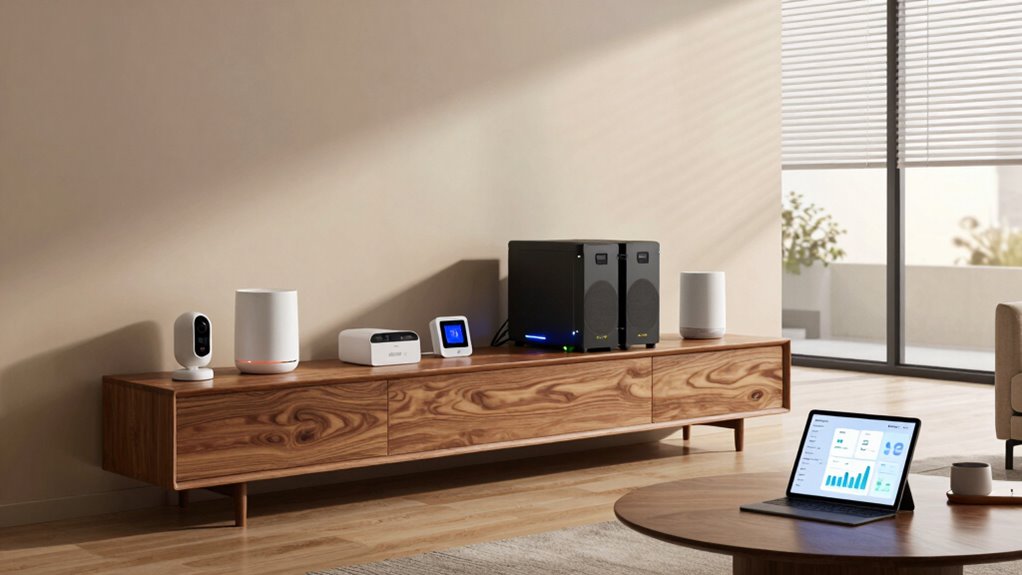
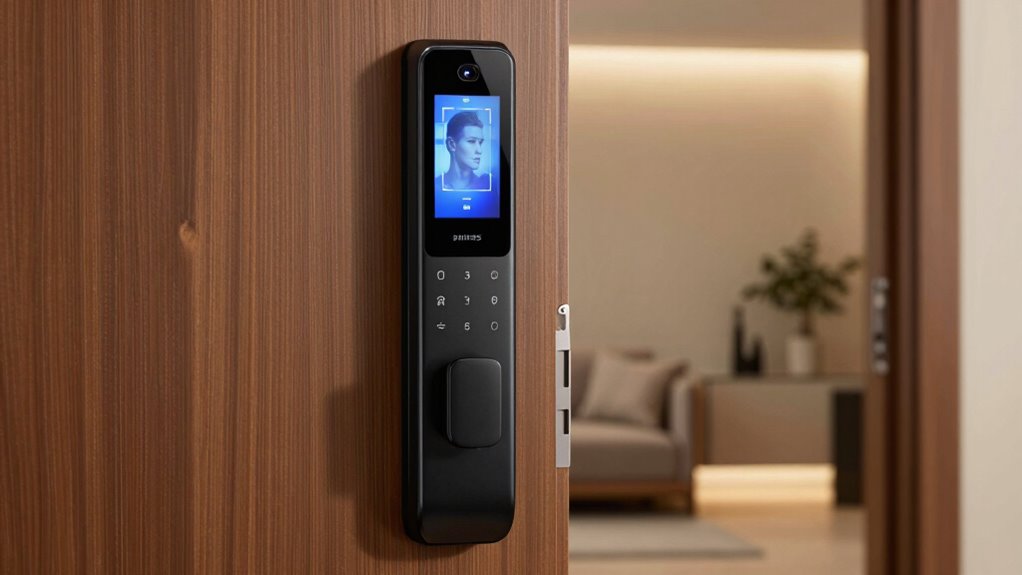
Drivers: privacy, control, and data sovereignty
The proliferation of always-listening voice assistants, accounting for 68 percent of smart home interactions, intensifies privacy concerns related to continuous cloud audio processing and potential surveillance. Edge computing deployment in residential contexts is forecasted to reduce cloud reliance by 15 to 18 percent, showcasing a shift towards localized data processing and minimization. By 2025, household penetration of smart home devices is expected to reach 77.6 percent, indicating widespread adoption and heightened importance of privacy-conscious solutions. Additionally, 31 percent of users express privacy concerns regarding smart security devices, highlighting ongoing consumer vigilance in this domain. The extensive Alexa ecosystem of over 100,000 devices creates significant challenges for users seeking privacy-oriented alternatives without sacrificing functionality.
Strategic investments by major technology corporations focus on privacy-preserving machine learning architectures that facilitate training and inference on local nodes by 2026. Security constitutes a considerable expenditure segment, with 33 percent of smart home spending directed toward systems prioritizing on-premise video storage and local AI-powered analytics to eliminate third-party data access.
Major tech invests in local AI training and security, with one-third of smart home spending on on-premise video and analytics.
Regulatory frameworks, exemplified by GDPR, combined with consumer pressure, encourage architectures wherein sensitive event logs, biometric identifiers, and occupancy data remain self-hosted.
Technical enablers: Matter, edge, and local AI
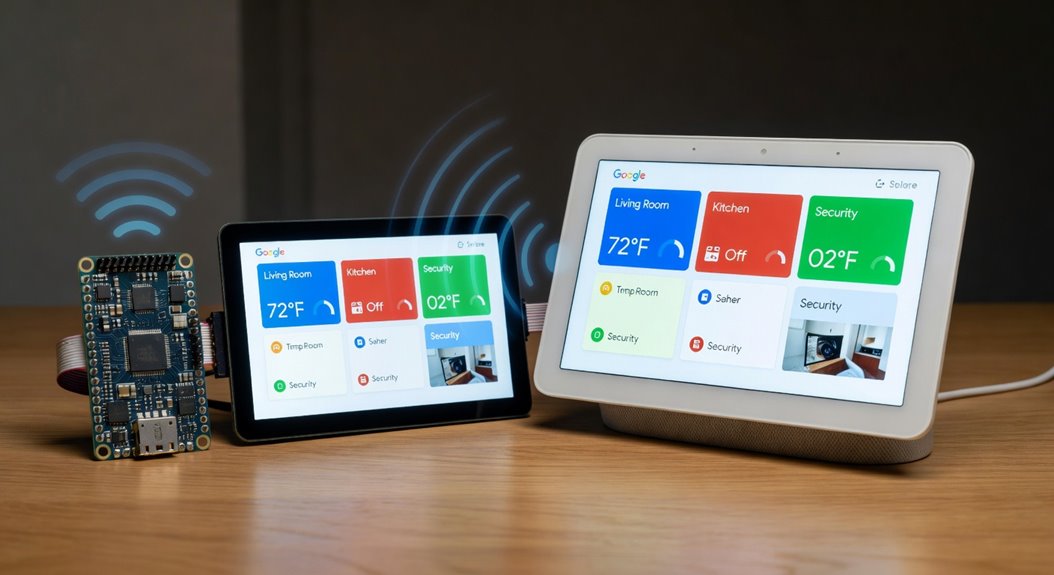
The Matter 1.2 protocol, achieving approximately 40 percent adoption in 2025, notably enhances interoperability across diverse vendor devices, enabling self-hosted controllers to manage components without reliance on proprietary cloud backends. The rollout of Wi-Fi 7 in 2025 introduces improved bandwidth and reduced latency, thereby supporting dense local device meshes and facilitating continuous streaming from cameras and environmental sensors. Growth in edge computing infrastructures within residential settings delivers real-time automation capabilities, local failover mechanisms, and offline operational resilience for critical home functions. Universal connectivity via Matter ensures devices regardless of manufacturer work seamlessly under self-hosted management architectures. Smart TVs, present in 71 percent of connected homes, often with voice assistant integration, are becoming crucial hubs for managing these smart home environments.
AI personalization engines, utilized by 21 percent of users, demonstrate readiness for deployment in on-device or self-hosted AI assistants, supplanting cloud-dependent routines. Additionally, AI-driven HVAC systems, projected to cut energy consumption by 20 percent by 2028, increasingly integrate with local controllers through on-premise optimization algorithms, affirming the technical viability of self-hosted ecosystems.
Economics: TCO, subscriptions, and value creation
The average annual expenditure per U.S. smart home user reached $2,500 in 2025, encompassing hardware acquisition, cloud service subscriptions, and integration costs. Consumer spending on smart home technologies in the United States is forecasted to exceed $60 billion in 2025, with recurring cloud subscription models constituting an escalating proportion of total lifetime ownership expenses. The increasing number of connected devices in the average smart home—expected to reach 15-20 by 2025—magnifies the impact of subscription fees and underscores the economic benefits of self-hosted solutions.
Self-hosted platforms offer economic advantages by mitigating dependence on ongoing subscription fees, consequently presenting opportunities to reduce total cost of ownership (TCO) while maintaining control and privacy. This potentially transformative economic dynamic reinforces the appeal of self-hosted solutions as a strategically viable alternative to cloud-first smart home architectures.
References
- https://digitalholics.com/the-future-of-smart-home-technology/
- https://sqmagazine.co.uk/smart-home-statistics/
- https://www.fortunebusinessinsights.com/industry-reports/smart-home-market-101900
- https://www.skyquestt.com/report/smart-home-market
- https://www.domondonre.com/what-are-the-top-smart-home-trends-for-2025
- https://selfh.st/survey/2025-results/
- https://clearlyautomated.co.uk/news/smart-home-automation-market-statistics/