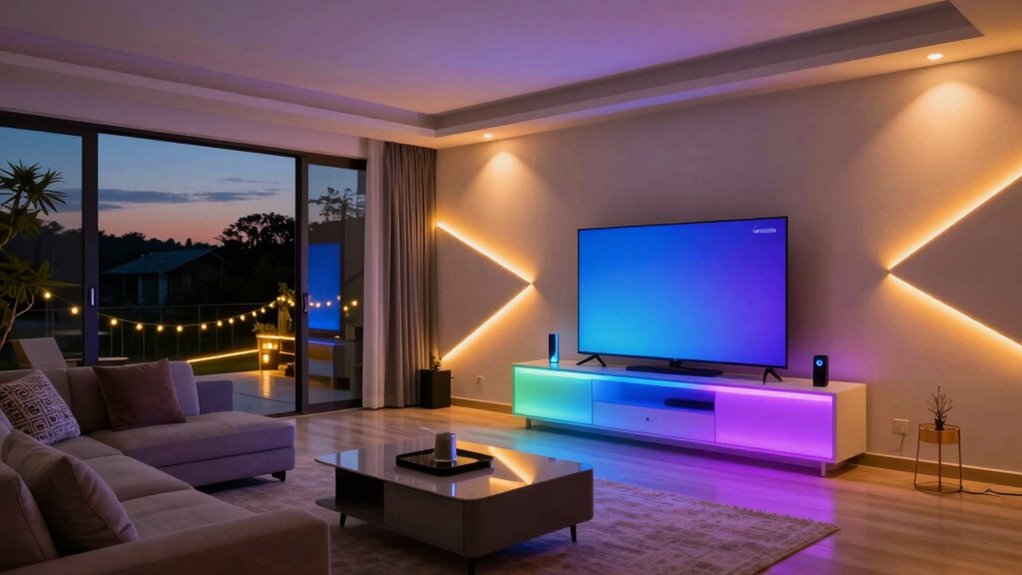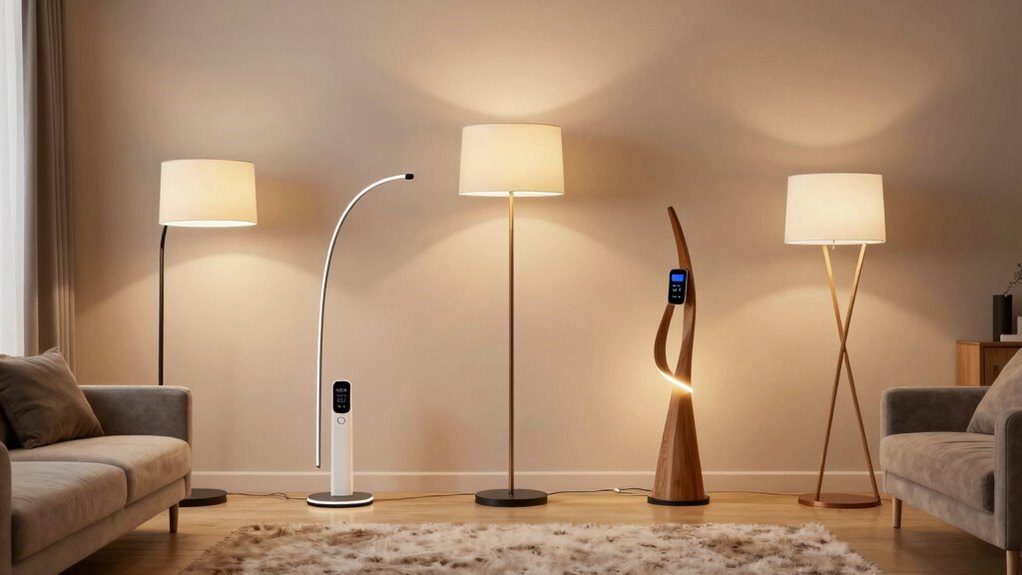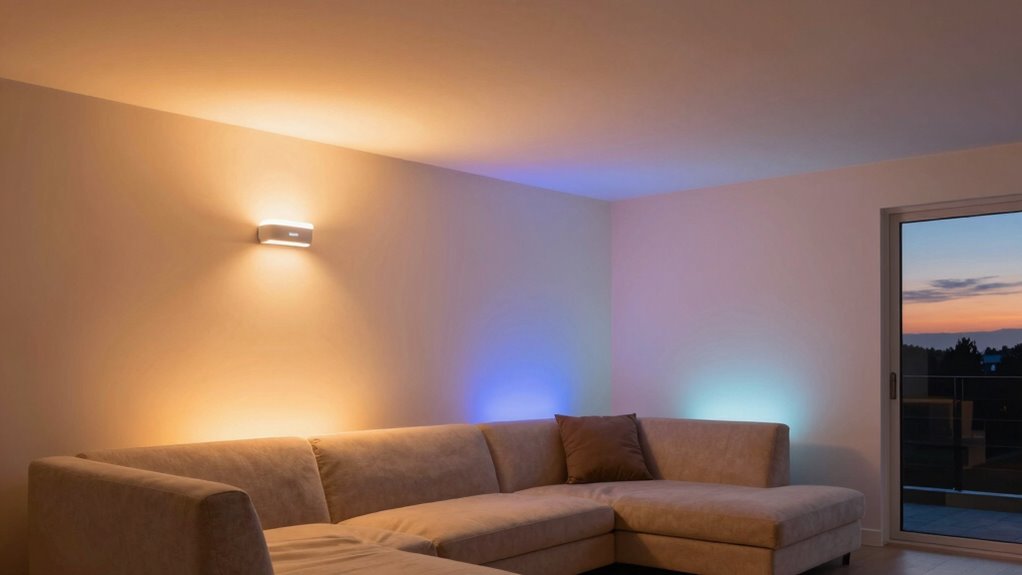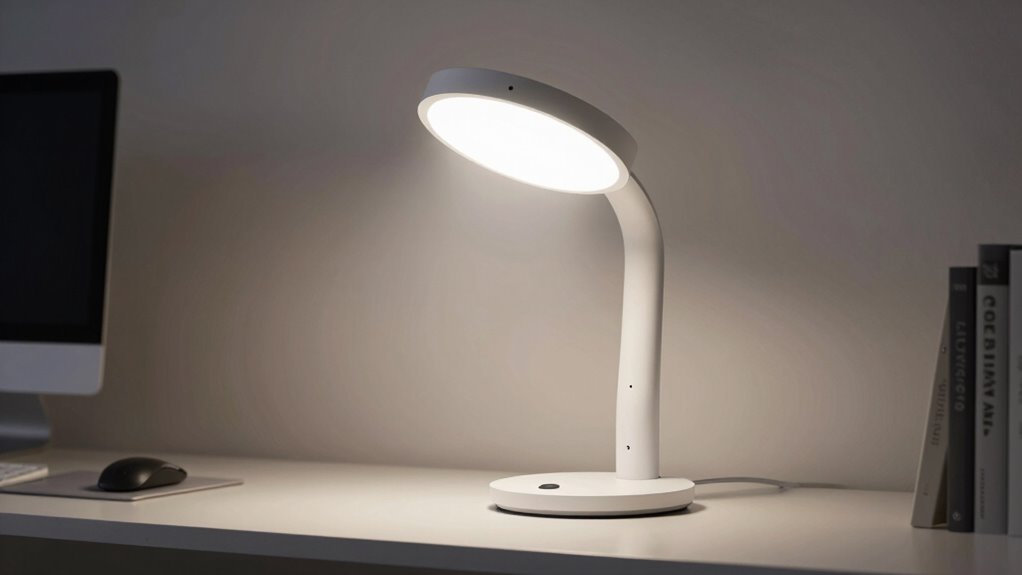
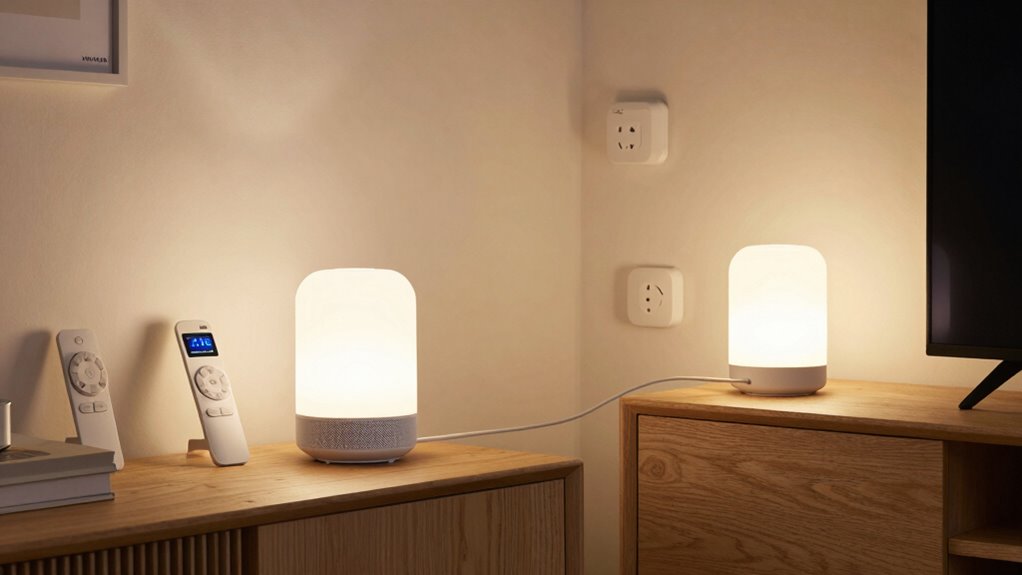
The AI-powered smart lamp represents an innovative integration of artificial intelligence and sensor technologies to optimize energy efficiency and user experience in lighting systems. By employing advanced machine learning algorithms and a suite of smart sensors, including occupancy detectors and environmental monitors, the system achieves up to 90% energy savings relative to conventional lighting solutions. It automatically adjusts illumination levels based on real-time occupancy and ambient natural light inputs, while predictive analytics enable the lamp to forecast usage patterns and deactivate unnecessary lighting, thereby reducing overall lighting costs by 30% to 70% and concurrently minimizing carbon emissions and bulb waste. This aligns with findings that AI-powered LED lighting can reduce energy use by up to 90% energy efficiency.
Harnessing AI and sensors, the smart lamp cuts energy use by 90%, slashing costs and emissions significantly.
This lamp features sophisticated self-regulation of brightness and color spectrum modulation through AI-controlled fixtures capable of dimming, brightening, and spectral alterations, calibrated to match biological rhythms and occupant preferences. The integration of computer vision technologies within the device facilitates posture correction and concentration detection, which fosters occupant well-being by issuing timely reminders and adjusting light parameters to enhance focus. SenseTime’s SenseRobot Smart Lamp, specifically designed for students, incorporates these AI functions along with eye protection features to create a healthy learning environment, exemplifying this advanced application of AI posture correction.
Full-spectrum natural lighting exceeds AA eye protection standards, mitigating adverse effects on eyesight and promoting improved sleep cycles by emulating natural diurnal patterns. Personalization capabilities are embedded via recognition systems that identify individual users, enabling the retention of customized settings, mood states, and activity contexts, which the lamp further enhances through generative AI that dynamically composes lighting scenes tailored to specific occasions or emotional states. Much like Alexa’s Voice Profile Recognition system, the lamp can identify up to six different users and maintain personalized settings for each household member.
The system’s self-learning auto-commissioning optimizes performance by assimilating usage data continuously, further refining energy consumption and functional responsiveness. Equipped with cutting-edge components such as BHI260AP sensors and Helvar ActiveAhead control centers, this smart lamp incorporates edge processing within fixtures to guarantee real-time decision-making, supported by Pulse Width Modulation (PWM) for precise LED brightness control.
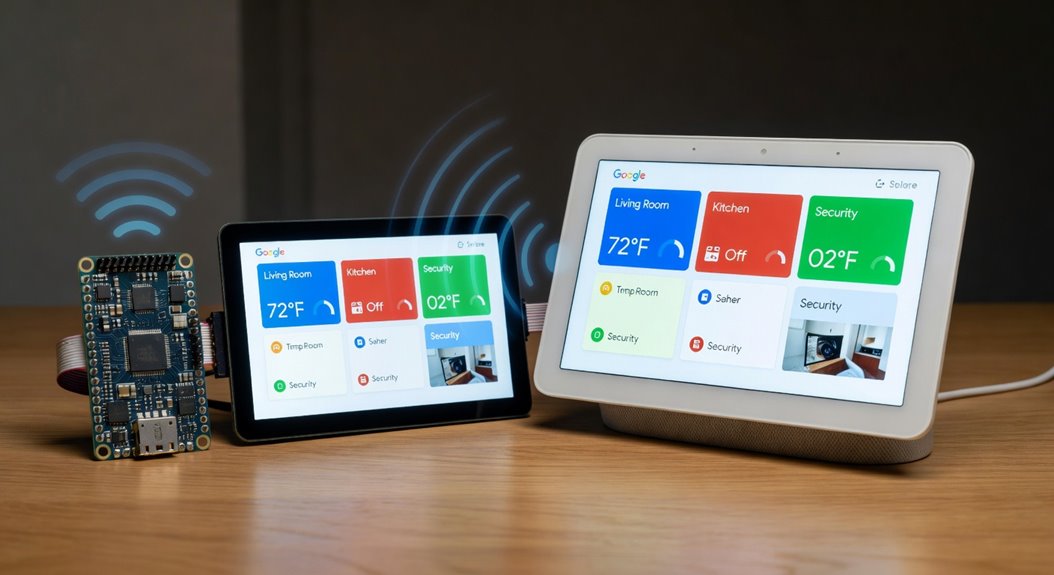
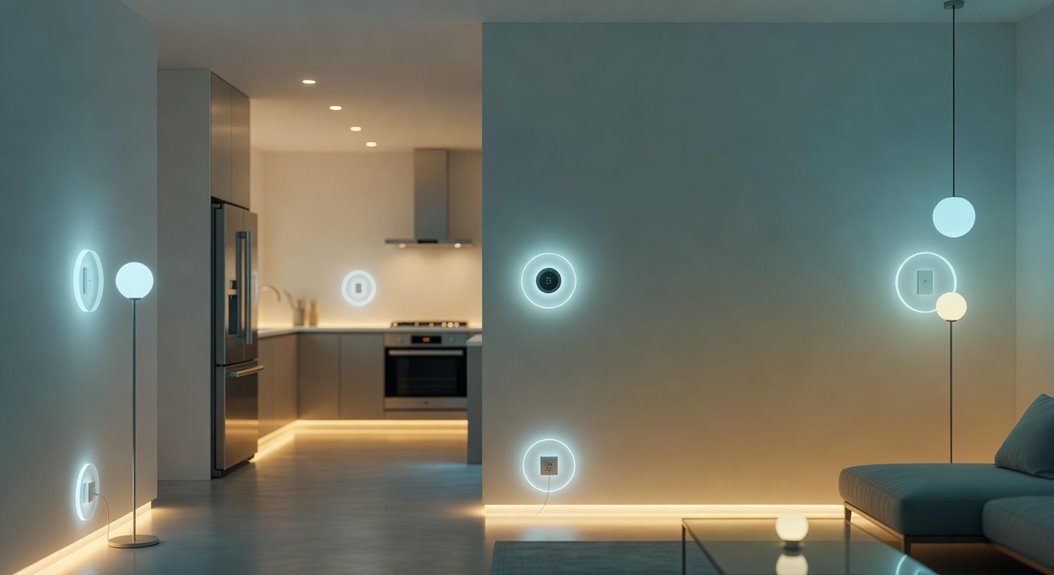
It integrates seamlessly with smart home ecosystems via standardized platforms and mesh networks, enabling coordination with HVAC and automated shading systems for extensive environmental management. Furthermore, certain configurations prioritize privacy by conducting local data processing, thereby circumventing the need for cloud-based information exchange.
References
- https://www.newroom.io/blog/ai-powered-lighting-energy-efficiency-meets-smart-design
- https://www.sensetime.com/en/news-detail/51167433?categoryId=1072
- https://edge-ai-tech.eu/mesh-intelligent-lighting-the-future-of-smart-illumination/
- https://languageoflighting.com/lighting-innovations/ai-lighting-solutions/
- https://www.outsidesource.com/insights/five-ways-ai-is-changing-smart-lighting-systems
- https://www.lepro.com/blogs/learning/ai-lighting-benefits
- https://www.signify.com/en-us/our-company/news/press-releases/2025/20250107-philips-hue-unveils-next-gen-ai-powered-smart-lighting-and-smart-home-security-innovations