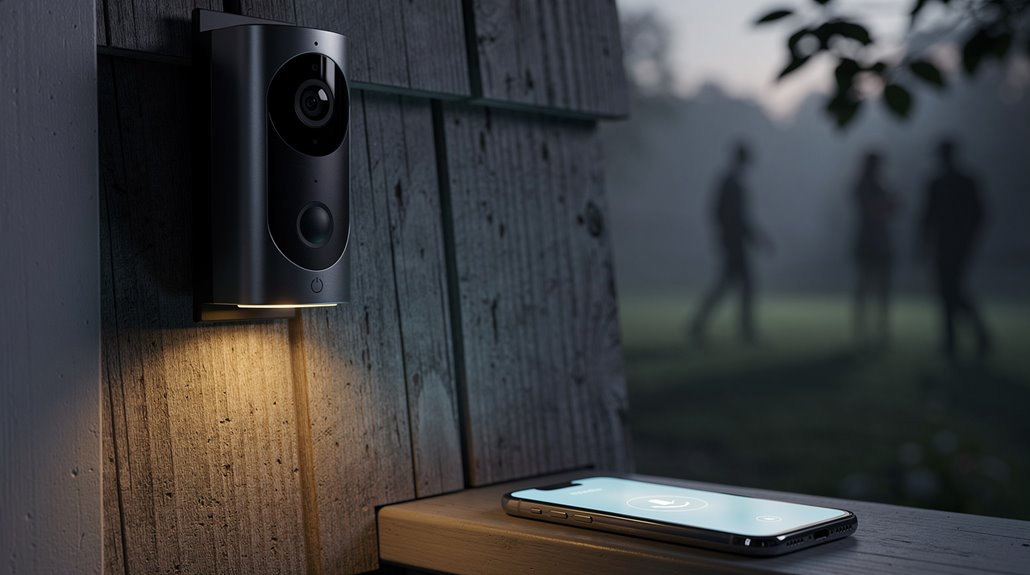

Ring Motion Alerts are the digital equivalent of a paranoid neighbor with no social filter, notifying users of every leaf twitch and passing squirrel as if fending off a covert invasion. Marketed as omnipotent security, they instead cultivate relentless anxiety and data overload, glorifying surveillance theater over genuine safety. Users invest precious hours customizing motion zones to handle frivolous alerts triggered by cats, cars, and cosmic dust, embodying the absurdity of modern digital dependency. Beneath the noise lies a disturbingly vibrant culture of compulsive vigilance.
Ring Motion Alerts: the digital panopticon‘s latest attempt to convince users that constant surveillance equates to security—because who wouldn’t want their smartphone buzzing every time a squirrel dares to waltz past the porch? This relentless parade of notifications, dispatched the instant motion is detected by an orchestra of infrared, motion, and image sensors embedded in Ring’s ever-watchful cameras and doorbells, exemplifies the modern addiction to security theater. The alerts are seamlessly managed through the Ring App, which serves as the command center for all notifications.
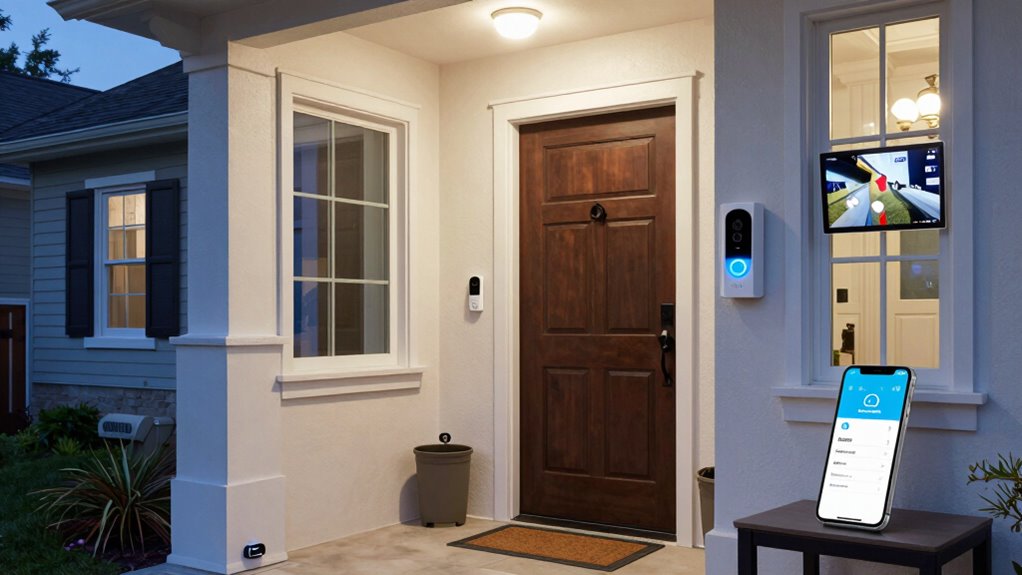
Every fluttering leaf or pedestrian’s catwalk is immediately recorded and broadcast to one’s pocket through the omnipresent Ring app, ensuring users remain tethered to the Sisyphean task of monitoring every shadow in their domain. This system operates by sending a notification directly to the smartphone for real-time monitoring through a live camera feed, enhancing user awareness of their surroundings. Motion Alert notification
It drones on with a deceptive veneer of convenience: real-time alerts that vow to inform users “immediately” of any activity, as though the fate of civilization depends on knowing when Mrs. Jenkins’ delivery boy ambles up the stoop. The devices themselves are programmable to an almost Kafkaesque degree, allowing users to calibrate motion sensitivity and carve out “motion zones” to avoid the noise of irrelevant stimuli.
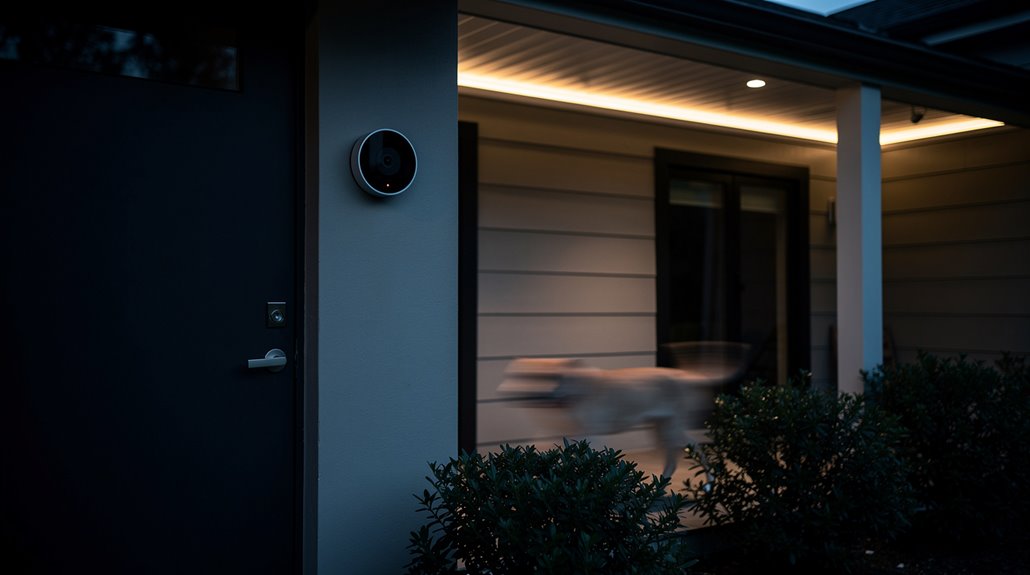
Yet, no matter how finely tuned, expect a deluge of notifications triggered by everything from cars idling on the street to the neighborhood dog’s latest performance art in the bushes. Users can implement scheduled periods to temporarily disable alerts during times when excessive notifications would be particularly annoying.
Prepare for an endless flood of alerts—from loitering cars to the canine’s avant-garde bush theatrics.
Meanwhile, Ring can’t restrain itself from capitalizing on this surveillance carnival by differentiating “Motion Alerts” from “Ring Alerts.” The former is a freewheeling, creepy movement-based informer; the latter, mercifully restricted to recognizing when an actual human dares to press the doorbell, and so offering a modicum of interaction.
Both, of course, reassert the user’s involuntary role as an omniscient overseer, complete with live view functionality that encourages obsessive real-time monitoring without reprieve.
Setup demands traversing a labyrinthine app interface to toggle these intrusive notifications on or off, adjusting schedules and sensitivities with the religious dedication of a surveillance zealot.
What remains unstated is that Ring’s entire modus operandi hinges on stoking paranoia and a torturous feedback loop of compulsive vigilance. In the grand dystopian comedy, Ring Motion Alerts aren’t just a product—they’re a symptom of a culture willingly shackled to digital quivering eyes, mistaking constant observation for genuine security. Bravo.
Frequently Asked Questions
How Do I Customize Motion Zones on My Ring Device?
To customize motion zones on a Ring device, the user accesses the Ring app, selects the device, navigates to Motion Settings, and then Edit Zones. They can adjust boundaries, rename zones, and add up to three custom zones per camera.
Can I Receive Motion Alerts on Multiple Devices?
Yes, motion alerts can be received on multiple devices simultaneously when connected to the same Ring account. Alerts from all locations propagate by default, and changes made on one device affect settings across every registered device seamlessly.
How Does Ring Distinguish Between People and Pets?
Ring distinguishes people from pets using AI that analyzes movement patterns and size. However, this technology is imperfect, often misidentifying animals or insects as humans, especially on wired devices or in challenging environmental conditions.
Are Ring Motion Alerts Available Without a Subscription?
Ring motion alerts are available without a subscription through push notifications, providing basic motion detection. However, accessing advanced features like Smart Alerts, detailed motion differentiation, and video recording requires an active Ring Home Plan subscription.
How Do I Reduce False Motion Notifications?
False motion notifications can be reduced by lowering motion sensitivity, setting detection to “People Only,” customizing detection zones, maintaining camera cleanliness and positioning, updating firmware, and scheduling alerts during periods of low activity to minimize environmental triggers.
References
- https://wasserstein-home.com/blogs/smart-home/ring-motion-warning-what-is-it-and-how-to-use-it-effectively
- https://www.techsolutions.support.com/how-to/how-to-use-your-ring-video-doorbell-home-automation-device-11500
- https://ring.com/support/articles/d6p12/managing-alerts-for-ring-doorbells-and-cameras
- https://www.youtube.com/watch?v=7D3DjMFlaPA
- https://geeksonsite.com/blog/installation/ring-alerts-vs-motion-alerts-on-youtube-and-ring-app/
- https://www.iptechview.com/blog/what-difference-between-motion-detection-and-motion-alerts
- https://www.youtube.com/watch?v=1RKOtXxUr3g
- https://www.youtube.com/watch?v=5A9cyrHBNfE
- https://www.asurion.com/connect/tech-tips/adjust-ring-motion-sensor-range/
- https://www.youtube.com/watch?v=oE__iV9cBTI