- 65% of nursing education programs were using visual simulation technology as of 2017.
- Nearly half of programs expected to adopt virtual reality within five years of the 2017 survey.
- Nurse educators are adopting new technologies faster than those in general education.
- Adaptive quizzing models have been found to improve learning and retention of course content.
- Virtual reality, mobile apps, and analytics tools are expected to play increasingly larger roles in nursing programs.
#Student_Preference_for_VR_Simulations
- 43% of surveyed nurse learners chose VR-based nursing simulations as their preferred simulation modality for training.
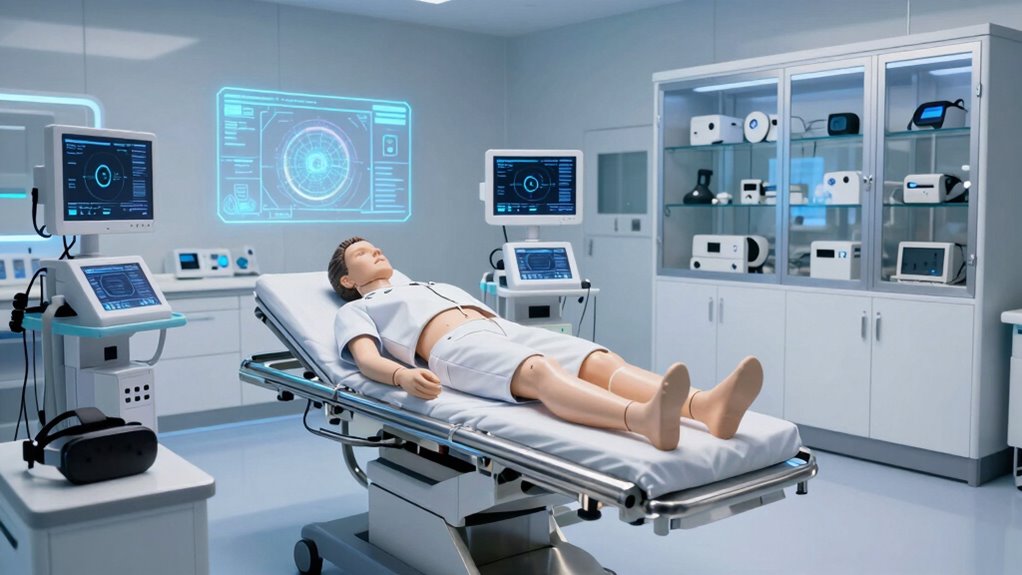
- 84% of nurse learners find headset-based VR simulations comparable to or better than other simulation modalities such as manikins.
- 34% of respondents definitely like headset-based VR better than simulation alternatives.
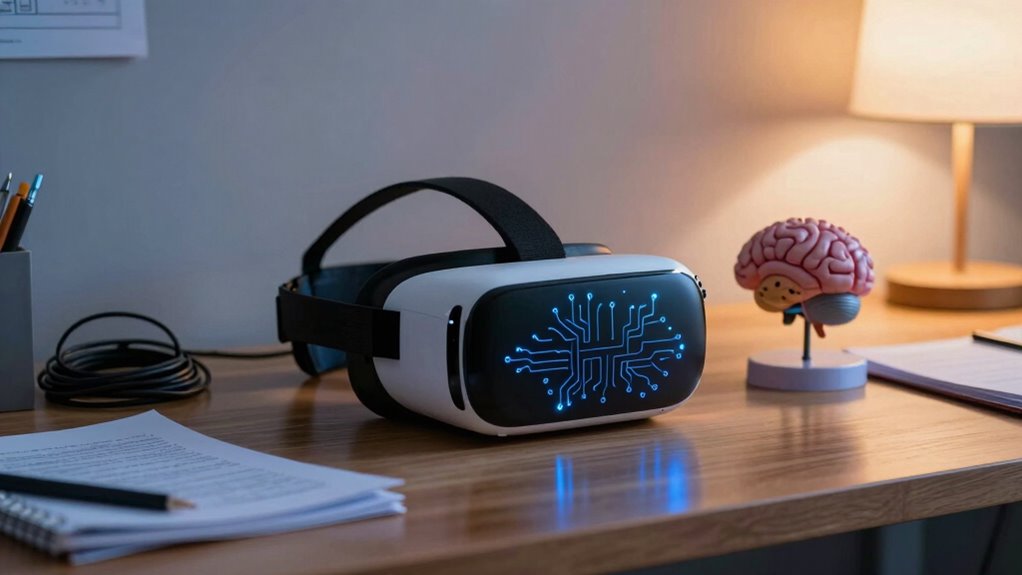
- 69% of respondents reported feeling comfortable using a VR headset.
- Less than 5% of nurse learners felt uncomfortable with VR headset usage.
#Preparedness_and_Exam_Readiness
- 75% of nurse learners surveyed said that headset-based VR simulations aid in their preparation for becoming a nurse.
- 65% of nurse learners agreed that headset-based VR simulations help them prepare for the Next Generation NCLEX nursing licensing examination.
- Students in VR simulation groups reported considerably higher ratings for self-assessed knowledge immediately following intervention.
- VR provided realistic clinical scenarios that enhanced preparedness for practice despite some technical limitations.
- Initial knowledge assessments favored VR simulation participants.
#Clinical_Skill_Development_and_Safety
- VR technology empowers learners to rehearse complex procedures iteratively within a simulated environment.
- Virtual reality furnishes a secure training ground that safeguards patient welfare, mitigating ethical dilemmas inherent in traditional hands-on training.
- VR has proven instrumental in preparing nurses for high-stress scenarios in emergency medicine.
- Virtual reality has broadened its reach into disaster response training.
- VR applications span anatomy, technical competencies, skills training, and complex clinical situations.
#Cost_Effectiveness_and_Accessibility
- VR simulations can be accessed anytime and anywhere, reducing the need for costly physical resources such as live actors and manikins.
- VR simulation proved to be more cost-efficient than simulation-based education.
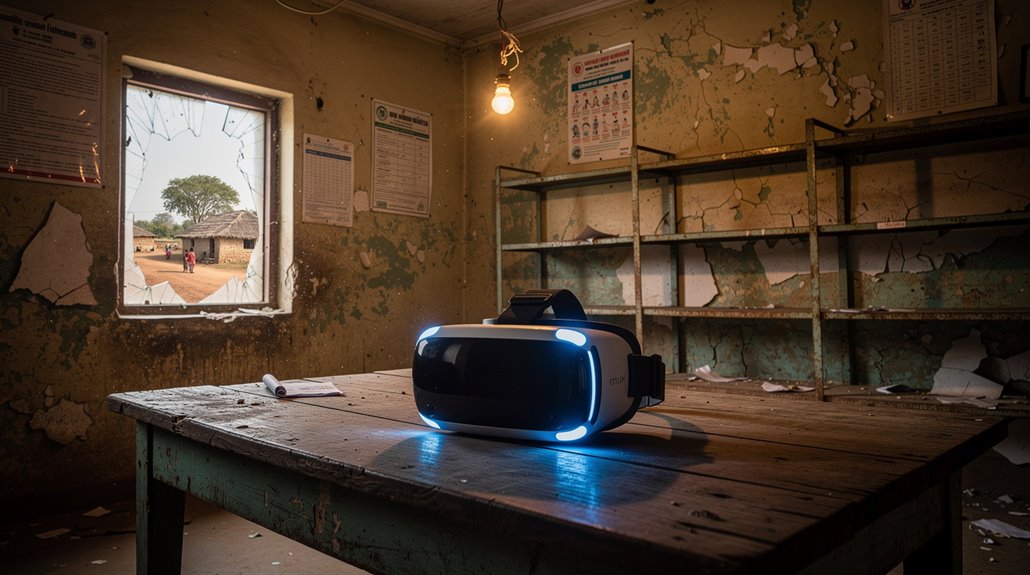
- Virtual reality overcomes limited access to hospitals and other clinical training sites.
- Increased accessibility allows for more frequent practice sessions, leading to improved competency and confidence.
- VR offers a cost-effective option for scaling nursing education.
#Student_Engagement_and_Learning_Outcomes
- VR simulation groups demonstrated markedly higher engagement, with 95% of students actively participating compared to 15% in sim.
- Similar to how smart home technology utilizes voice profile recognition to personalize experiences for multiple users, VR platforms in nursing education can be tailored to accommodate individual learner needs and preferences.
References
- https://www.wolterskluwer.com/en/expert-insights/65-percent-nursing-education-programs-adopting-virtual-simulation
- https://www.ubisimvr.com/in-the-news/survey-nurse-learners-prepared-immersive-virtual-reality-simulation
- https://pmc.ncbi.nlm.nih.gov/articles/PMC12321338/
- https://journalinpc.com/storage/files/article/20a3105f-dbe1-4f40-b97a-768536c0eb39-6mn8ojUvdixiyIxF/kQCB8qak5jw4RXX.pdf
- https://nevadastate.edu/son/rn-bsn/how-virtual-reality-is-revolutionizing-rn-to-bsn-learning/
- https://pmc.ncbi.nlm.nih.gov/articles/PMC12560308/