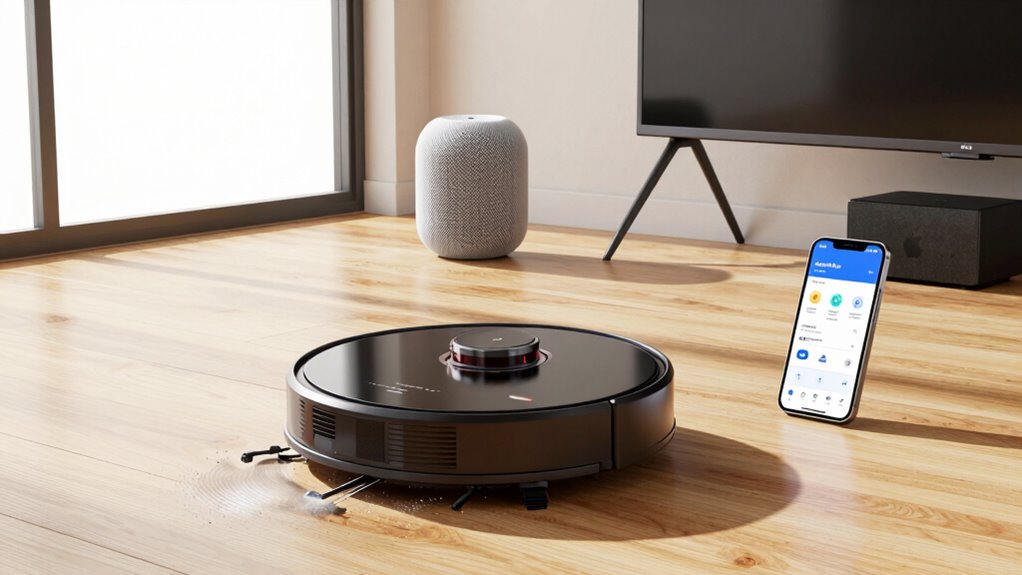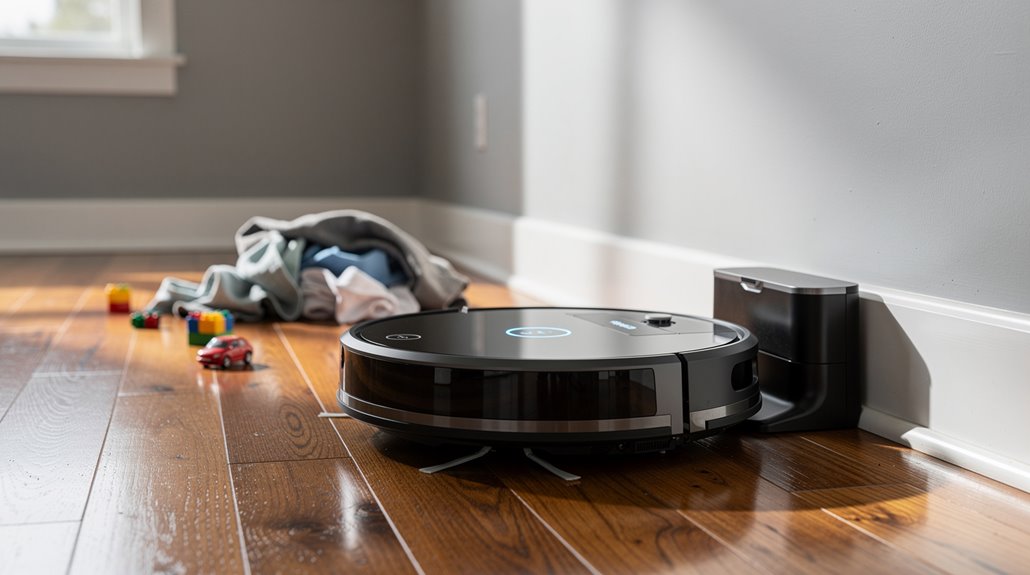
Robot vacuums theatrically halt, suffocating under clogged dust bins bursting with pet hair, dirt, and existential neglect—a built-it-and-forget-it fantasy spectacularly undone by human disregard. Sensors, blinded by grime, flail like drunk navigators, while tangled wheels and snarled brushes stage instant rebellions. Filters, pushed beyond endurance, cause digital tantrums and overheated shutdowns in grim irony. Corporate indifference to maintenance necessities transforms promises of effortless cleanup into operatic failures. Uncover the precise mechanics behind this domestic farce.
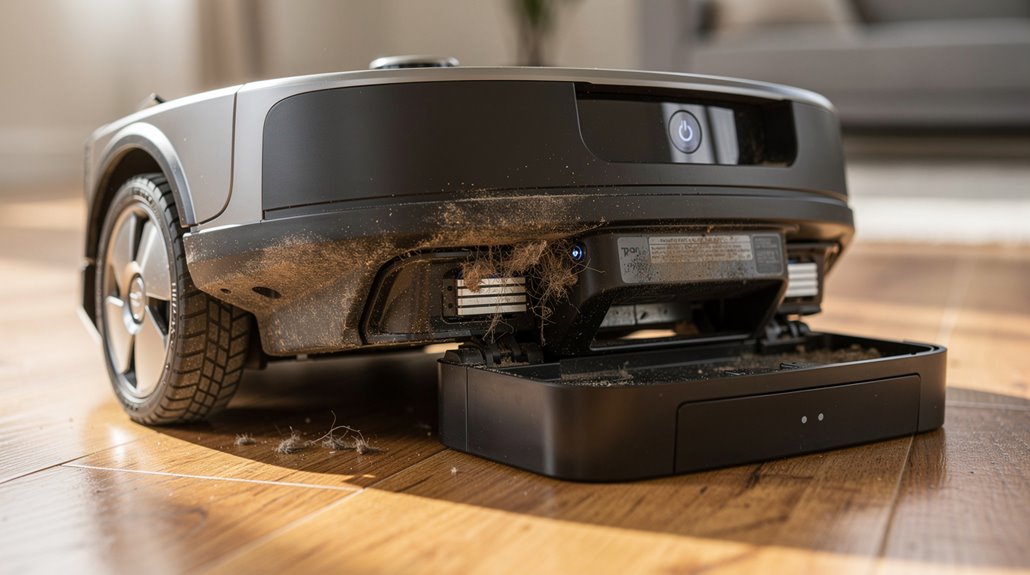
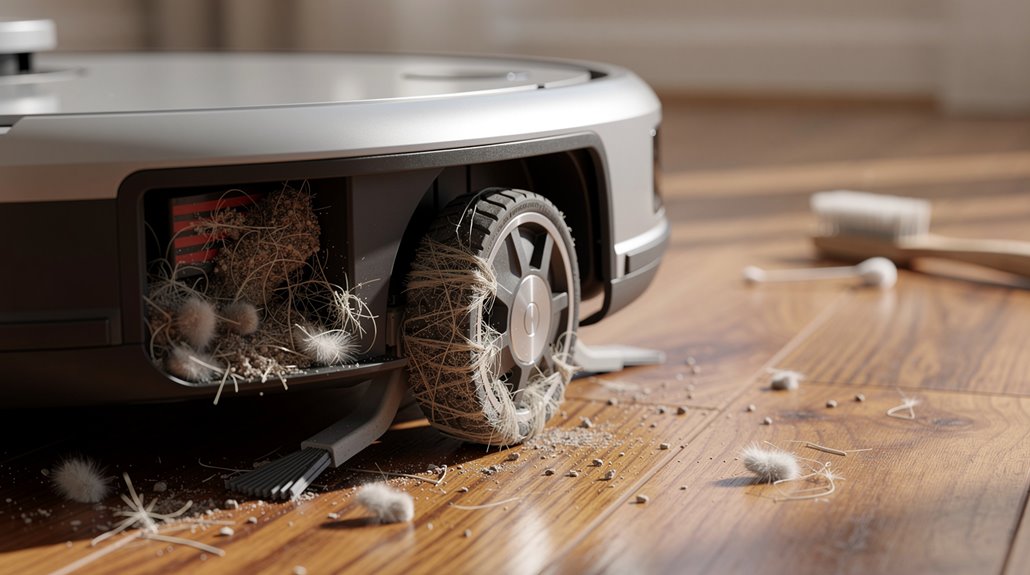
Why does a robot vacuum, allegedly a marvel of modern convenience, repeatedly halt its Sisyphean trek across the living room? The answer lies in the tragic comedy of a clogged dust bin, which suffocates the poor machine’s airways, strangling its suction power and leaving it gasping like a besieged whale. The intake pathways, choked with clumps of pet hair and dirt impostors, render the vacuum’s noble quest futile. A clump too large, a stray hair too stubborn, and the vacuum collapses, defeated by what any disgruntled house pet might disdain. Remarkably, salvation is as pedestrian as an old toothbrush wielded with gentle disdain or a cotton swab deployed in covert operations to pry out debris from inaccessible crevices. Yet, who bothers? Regular cleaning and timely replacement of filters are essential to maintain suction and prevent shutdowns. Additionally, dumping the tray after each use helps to maintain performance and avoid stoppages.
Robot vacuums falter beneath clogged dust bins, suffocated by pet hair, cursed debris, and forgotten toothbrush rescues.
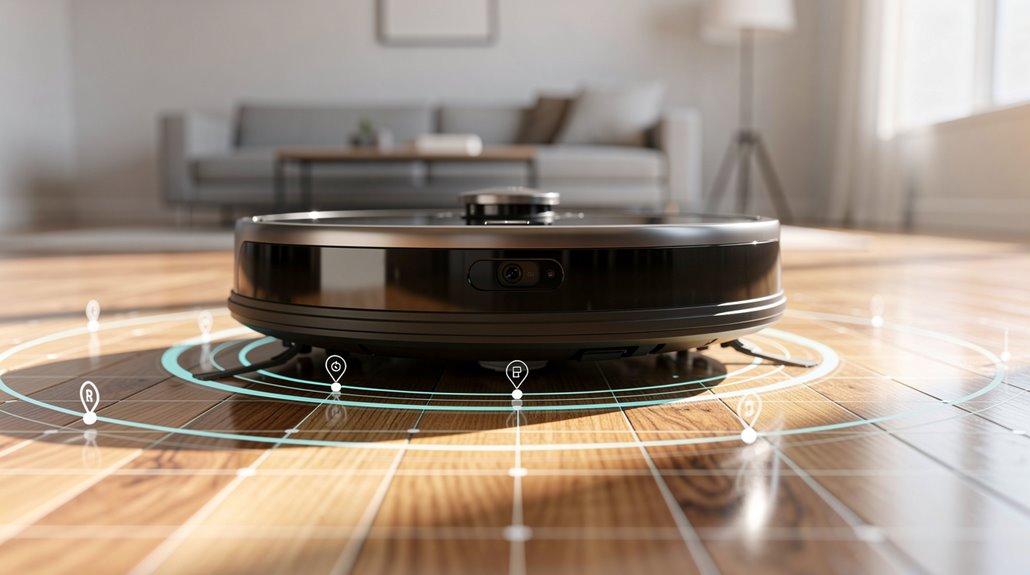
Sensors and cameras, those digital eyes and ears meant to navigate domestic terrain with eerie precision, ironically fall victim to the dry rot of grime and neglect. With the subtlety of a toddler’s fingerprint, dirt accumulates, blinding these silicon sentinels, causing disoriented zigzags and failed homing pings reminiscent of a lost sailor chasing phantom lighthouses. A swipe with an alcohol wipe is the unlikely cure, yet the vacuum’s guardians fail to remember that these oracular devices require less mess and more maintenance, a concept apparently lost on consumer expectations and corporate marketing departments alike.
Add to this the grotesque ballet of tangled hair strangling wheels and brushes, a performance as tragic as it is absurd. Wheels once nimble now seize up, wheels spin helplessly under the tyranny of debris, and side sweepers become unholy nests of string. In particular, debris obstructing wheels is a common cause of navigation issues in many 2-in-1 vacuum models, especially impacting mobility. Cleaning underneath side sweepers and ensuring the front wheel rotates freely can resolve many such issues.
Filter neglect, ironically, causes yet more shutdowns, as the machine overheats, throws a digital tantrum, and ceases operation “for its own good”—a phrase worth printing on every failed gadget that demands human intervention most direly ignored.
Frequently Asked Questions
How Often Should I Clean My Robot Vacuum’s Brushes?
The robot vacuum’s main brushes should be cleaned weekly or twice weekly with pets, side brushes weekly, and brush rolls every 2-4 weeks. Increased cleaning frequency is necessary for long hair or thick carpets to maintain peak performance.
Can Robot Vacuums Work on All Floor Types?
Robot vacuums can clean various floor types, performing best on hard surfaces like wood, vinyl, and tile. Carpet cleaning is less effective, especially on thick piles. Advanced models adjust suction and support multi-floor mapping for versatility.
What Is the Average Battery Life of a Robot Vacuum?
The average battery life of a robot vacuum ranges between 2 to 5 years, with most lithium-ion batteries sustaining 300 to 500 charge cycles before capacity declines noticeably, depending on usage, battery quality, and environmental conditions.
How Do I Reset My Robot Vacuum?
To reset a robot vacuum, one can perform a soft reset by holding the power button for three seconds, or execute a factory reset via physical buttons or the mobile app, which restores original settings and clears custom data.
Are Robot Vacuums Safe for Pets?
Robot vacuums possess pet-friendly features like sensors and low noise but are not entirely risk-free. Potential hazards include injury risks, pet waste contamination, and detection system limitations, requiring cautious supervision and proper setup to guarantee pet safety.
References
- https://www.robotspecialist.com.au/blogs/news/troubleshooting-common-robot-vacuum-issues
- https://www.youtube.com/watch?v=v9e7XuSz1r0
- https://forums.wyze.com/t/robot-vacuum-suddenly-stopping-turning-off/316503
- https://us.eureka.com/blogs/news/why-does-my-robot-vacuum-keep-stopping
- https://www.eufy.com/blogs/robovac/robot-vacuum-troubleshooting
- https://honiture.com/blogs/home-cleaning/daily-maintenance-guide-for-robotic-vacuums
- https://us.narwal.com/blogs/robot-vacuum/clean-vacuum-brush-roll
- https://vacuumwars.com/robot-vacuum-maintenance/
- https://maticrobots.com/blog/matic-maintenance-and-care
- https://homesupport.irobot.com/s/article/11179