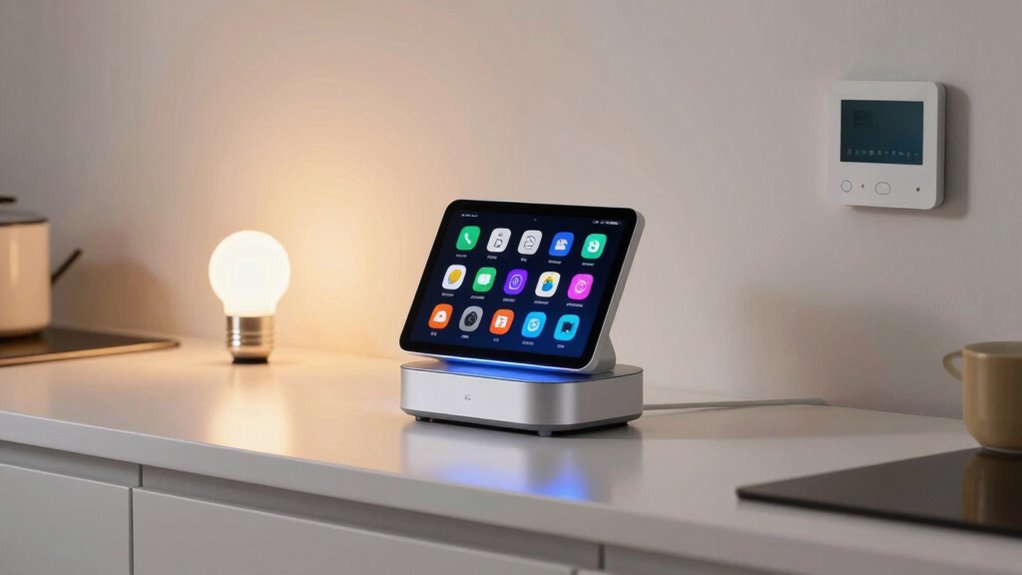
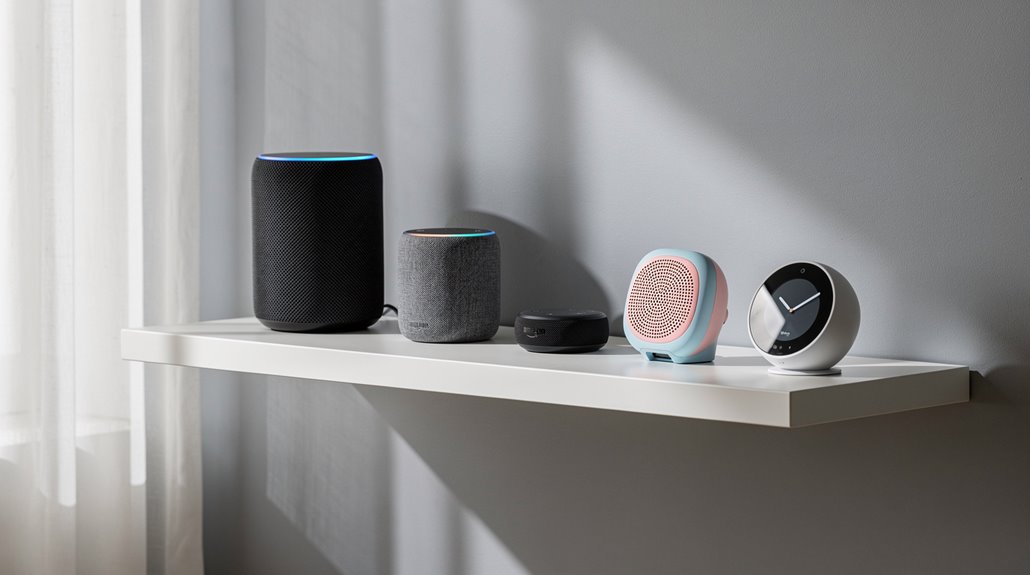
Alexa’s relentless monotony finally finds worthy competitors in 2025: Google Assistant, the tyrannical ringmaster of seamless multitasking and ecosystem suffocation, and Sonos, champion of audiophile rebellion against Amazon’s drone-like mediocrity. Apple Siri remains a privacy zealot chained by its cultish garden, offering less freedom than a Victorian corset. For those tired of the circus, these alternatives play superior roles—superfast efficiency or sublime sound—shattering the dull monotony that Alexa so tediously perpetuates. There’s more to this sorry show yet.
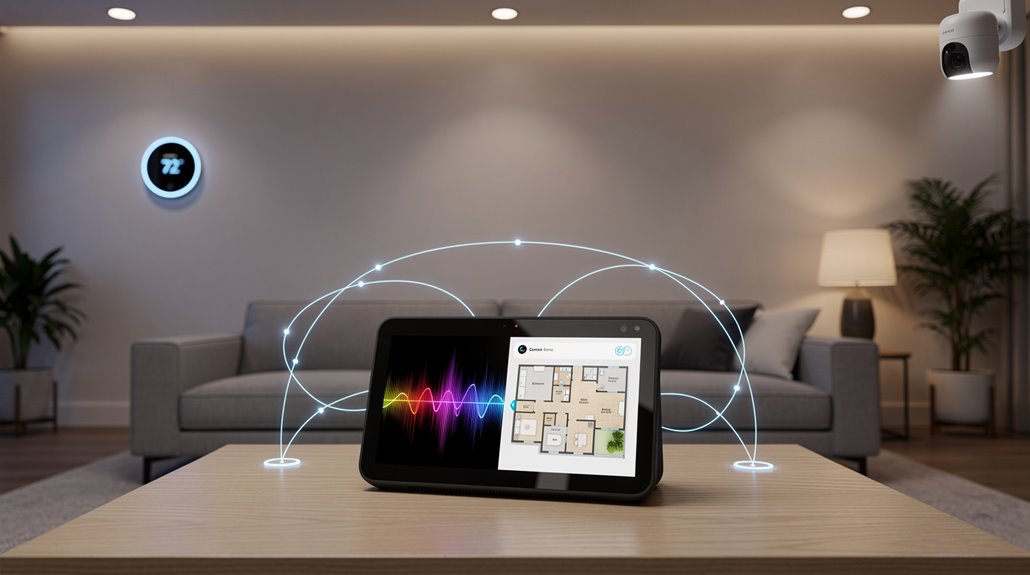
Why settle for Alexa’s dutiful drone when an entire circus of digital delusion parades promising salvation? In this carnival of compromised intelligences, Google Assistant steps forward as the ringmaster for those ensnared by the Google ecosystem, flaunting its superior speed and effortless cohesion with Android devices—because who wouldn’t want a smarty-pants that’s also an overachieving overconnected know-it-all? Google Assistant also excels with voice assistant compatibility, making it a versatile choice for smart home integration. Google’s offering shines with its ability to handle multiple commands simultaneously without requiring separate requests.
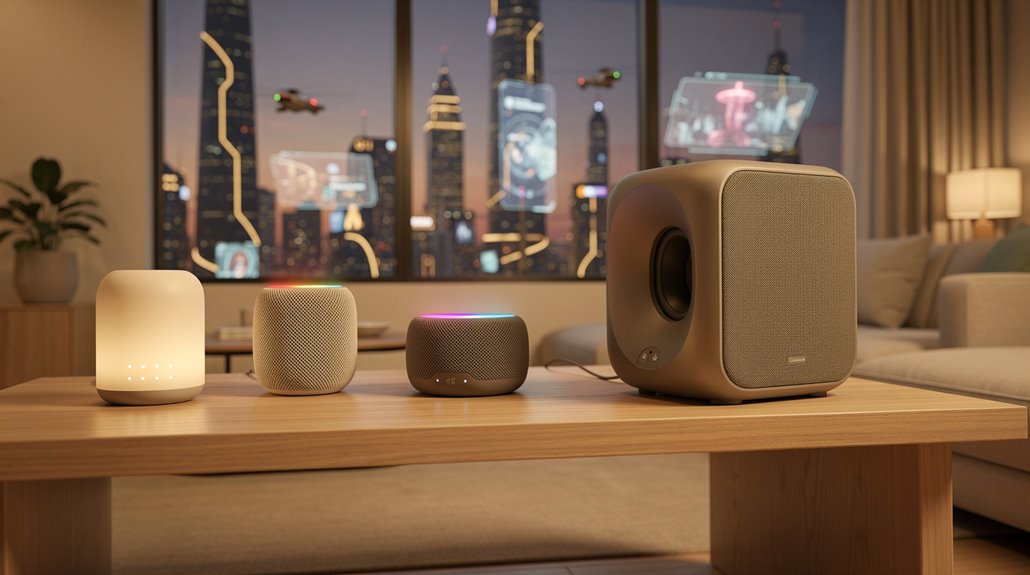
Meanwhile, Apple’s Siri, ensconced within its cultish ecosystem, proffers the Apple HomePod Mini and the pricier second-generation model bedecked in spatial audio swag, pivoting on privacy-spewing pretenses while hobbling itself with a laughably scant third-party repertoire. The irony of a privacy zealot shackling users in a walled garden so thick it might as well be a fortress is apparently lost on Siri’s devotees.
Siri’s privacy crusade locks users in a fortress, trading freedom for a paltry third-party playlist.
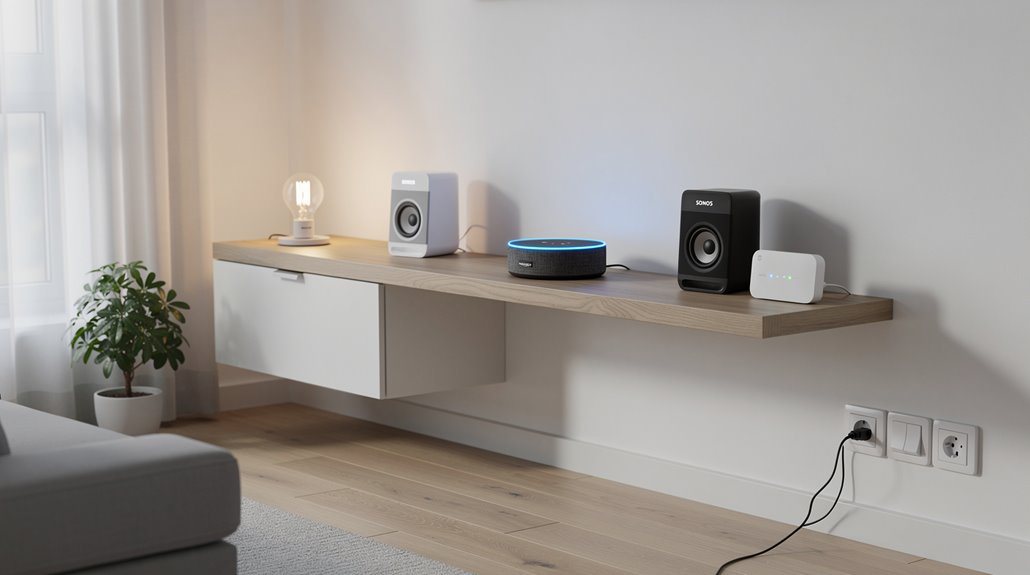
While Google and Apple bicker over ecosystem dominance, Sonos proffers an extravagant encore with its Era 100 and 300 models, marrying Alexa’s voice antics with audio quality that might actually coax tears from an audiophile, should such a species still exist. Sonos plays the dual jack of brand sophistication and sonic superiority, an apt reminder that sometimes the circus needs a little finesse beneath the big top’s garish lighting.
For the corporate drones, Amazon’s Q Business surfaces, a generative AI taxed at $20 monthly to placate office drudgery with promises of effortless data retrieval and content magic—proof that even the workplace isn’t safe from the pernicious worship of convenience. Additionally, enterprises leverage watsonx Assistant from IBM, a powerful tool that enables non-technical managers to create AI solutions without coding.
IBM’s watsonx Assistant, with its six-figure enterprise ambitions and wizardry enabling non-technical managers to pitch AI spells without code, reminds us that corporate seduction wears many masks.
Samsung’s Bixby remains the underdog cheerfully lost in the galaxy of devices it’s chained to, delivering free but forgettable voice commands that barely rise above the din.
And amidst this chaos, ChatrHub, a polyglot of chat, text, and social, attempts omnipresent domination for a mere $16 monthly, capitalizing on humanity’s insatiable addiction to fragmented, shallow engagement.
Alexa might be the face on the box, but the world is cluttered with wannabes promising salvation, each more desperate and underwhelming than the last.
Frequently Asked Questions
How Secure Is Alexa Compared to Newer AI Assistants?
Alexa remains less secure than newer AI assistants due to persistent ultrasonic command injections, unpatched vulnerabilities, and mandatory cloud data transmission. Newer assistants incorporate stricter cryptographic protocols and enhanced input validation reducing exploitation risks considerably.
Can Alexa Integrate With Smart Home Devices From All Brands?
Alexa integrates with numerous smart home brands but not universally with all. Compatibility varies, especially for niche devices or security systems. Integration often relies on third-party support and may encounter limitations or subscription barriers.
What Privacy Concerns Exist With Voice Assistants in 2025?
Voice assistants in 2025 raise privacy concerns including continuous audio surveillance, ultrasonic hacking vulnerabilities, extensive user profiling, data retention despite deletion requests, lack of user awareness, and insufficient control over collected personal information and its usage by providers.
How Do AI Voice Assistants Impact User Mental Health?
AI voice assistants provide accessible mental health support, reducing symptoms and expanding care reach, yet carry risks of fostering dependency, social withdrawal, and safety failures. Ethical safeguards and professional integration remain essential to mitigate harm.
Are There Any Offline Voice Assistants Available in 2025?
Offline voice assistants such as Rhasspy, M5Stack Atom Echo, and Mycroft operate entirely without Internet connectivity, prioritizing privacy. They process voice commands locally, offer customization, and integrate with smart home systems, reflecting a growing trend toward on-device intelligence in 2025.
References
- https://slashdot.org/software/p/Alexa/alternatives
- https://www.engadget.com/audio/speakers/best-smart-speakers-151515264.html
- https://www.youtube.com/watch?v=U5wVisnPeOg
- https://www.whathifi.com/best-buys/best-smart-speakers-the-best-voice-assistant-speakers
- https://www.bitdefender.com/en-us/blog/hotforsecurity/google-home-amazon-alexa-can-manipulated-run-malicious-software-researchers-find
- https://app.opencve.io/cve/?product=alexa&vendor=amazon
- https://nstp.org/memberarea/federaltaxalert/2023/7-ways-alexa-and-amazon-echo-pose-a-privacy-risk
- https://www.sans.org/newsletters/newsbites/xxvii-21
- https://www.malwarebytes.com/blog/news/2025/03/amazon-disables-option-to-store-echo-voice-recordings-on-your-device
- https://developer.amazon.com/en-US/docs/alexa/smarthome/wwa-security.html