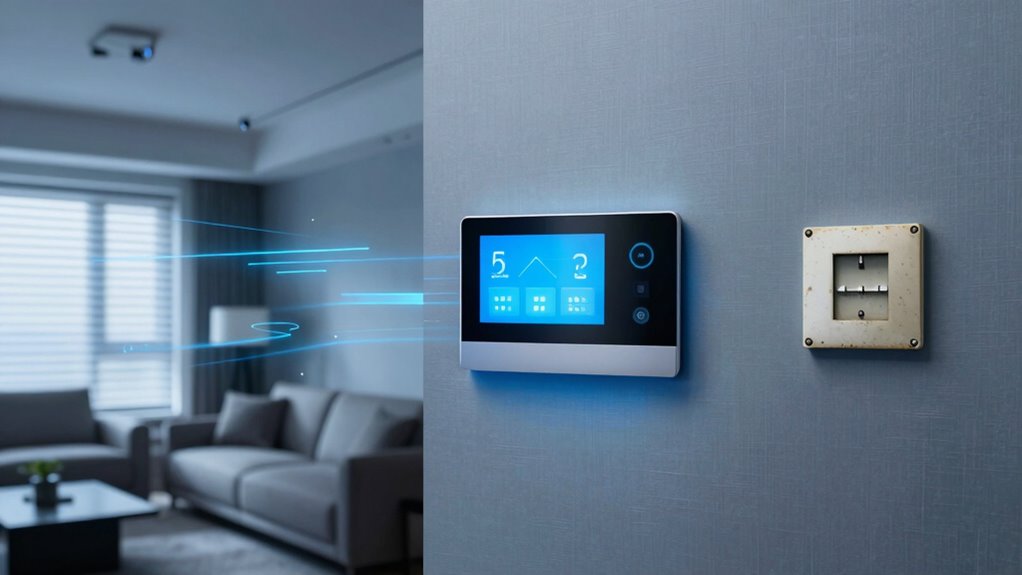
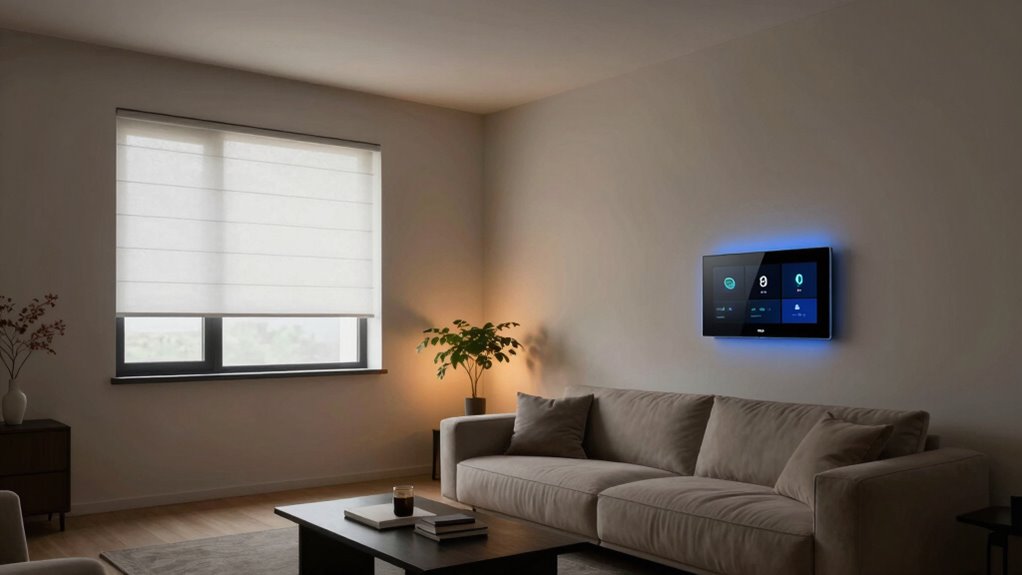
Ever wonder how much cash is flying out the window just because you forgot to turn off the lights—or left the AC blasting while you’re not even home? Turns out, those little slip-ups add up faster than you’d think, but here’s the twist: the real fix might already be on the shelf, blinking back at you from that smart thermostat or plug-in power strip you’ve been ignoring.
That smart thermostat or power strip you’re ignoring? It’s not just collecting dust—it’s silently begging to save you cash.
With energy savings becoming a serious part of budget management, tech-savvy households are cutting costs without lifting a finger—or remembering a single thing.
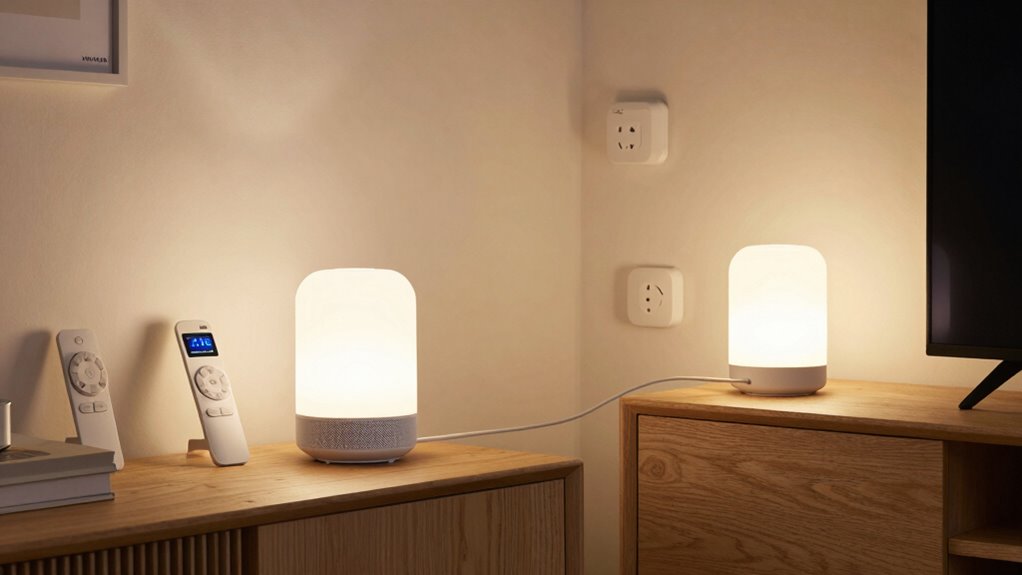
Take smart lighting, for instance. Thanks to motion sensors, timers, and dimming tricks, some homes slash lighting energy use by up to 75%. Even more common setups see 7–27% savings—easy wins when your lights shut off because you walked out… or because the system knows you’re binge-watching in the living room and not upstairs.
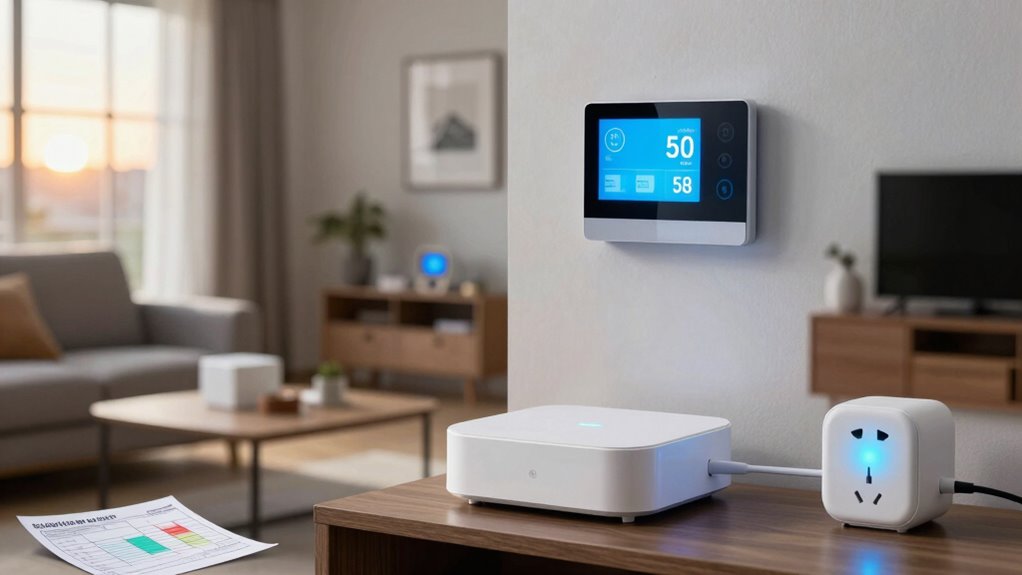
And those dumb appliances just sipping power while “off”? Smart plugs zap that standby drain, costing $10–30 but saving up to $50 a year. Break-even in less than a year? Yes, please.
Then there’s the thermostat—the quiet hero of energy efficiency. Devices like Nest learn your habits, adjust the heat or AC before you even think about it, and cut heating bills by 10–12%, cooling by 15%. That’s a cool $131–145 back in your pocket every year.
Pair that with voice controls (“Hey, drop the temperature!”) and you’ve got comfort and savings chatting like old friends. For many, the device pays for itself in 1–5 years, especially with rebates softening the blow.
Real-time monitoring takes it further. Gadgets like Sense or Shelly EM show exactly which appliance is guzzling watts, turning mystery bills into actionable intel. The new Matter standard ensures these devices can communicate seamlessly across different brands, eliminating compatibility headaches for homeowners looking to build an efficient ecosystem.
One study even found home automation slashes carbon emissions by nearly 13%. With heating and cooling hogging over half the energy pie, smarter systems don’t just save cash—they shrink footprints. This efficiency leap is fueled by IoT devices enhancing interactivity.
28% of internet users now use smart energy management solutions, signaling a growing shift toward smarter, more efficient homes.
References
- https://www.iot-now.com/2024/04/22/144080-smart-home-technology-saves-money-and-helps-protect-the-planet/
- https://www.cso.ie/en/releasesandpublications/ep/p-smrt/smarttechnology2024/smartlivinginthehome/
- https://www.grandviewresearch.com/industry-analysis/smart-home-energy-monitoring-devices-market-report
- https://bkvenergy.com/blog/do-smart-home-devices-actually-save-money/
- https://www.gearbrain.com/smart-home-energy-management-2025-2671893526.html
- https://www.kaggle.com/datasets/mexwell/smart-home-energy-consumption
- https://www.eia.gov/energyexplained/use-of-energy/homes.php