Out of all the flashy gadgets flooding CES 2026, one tiny powerhouse is stealing the spotlight without even trying—RiseLink’s edge AI chips, the little brainiacs behind smarter, speedier, and seriously energy-sipping smart devices.
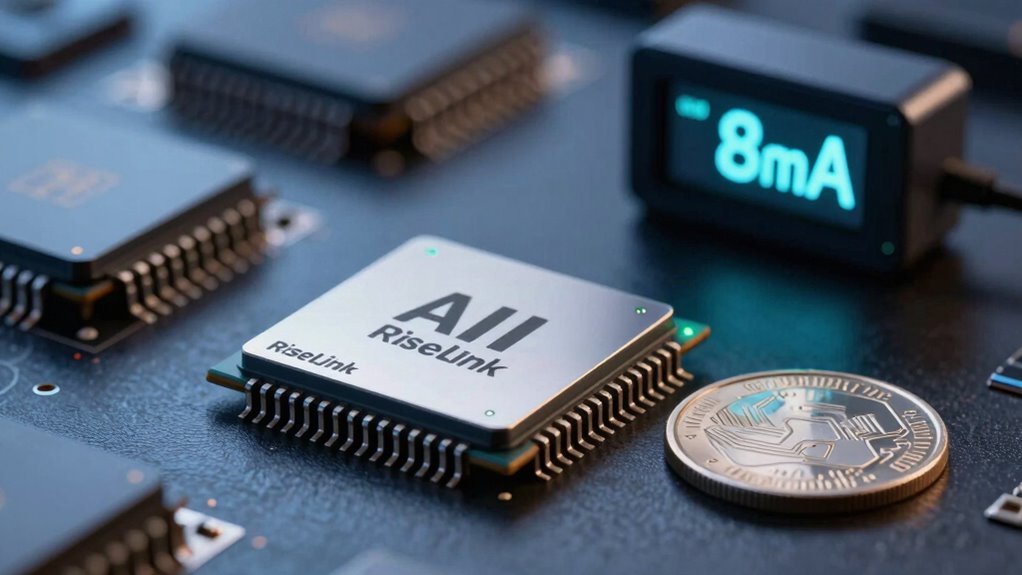
While everyone else is shouting about faster processors and flashier AI tricks, RiseLink quietly flexes what really matters: doing more with less juice. We’re talking 8mA—yes, eight milliamps—of current draw during active AI inference, which is like running a full-blown conversation with a robot toy without draining a battery the size of your thumb. That’s RiseLink technology in action: smart, small, and shockingly efficient.
Forget lugging around clunky hardware or dealing with laggy cloud pings every time your smart device thinks. RiseLink baked power efficiency right into the silicon, so everything from Wi-Fi signaling to edge-AI number-crunching happens locally, fast, and without melting your power bill.
No more bulky hardware or slow cloud delays—RiseLink’s chips handle AI locally, blazing fast, on a power budget so tiny it barely whispers.
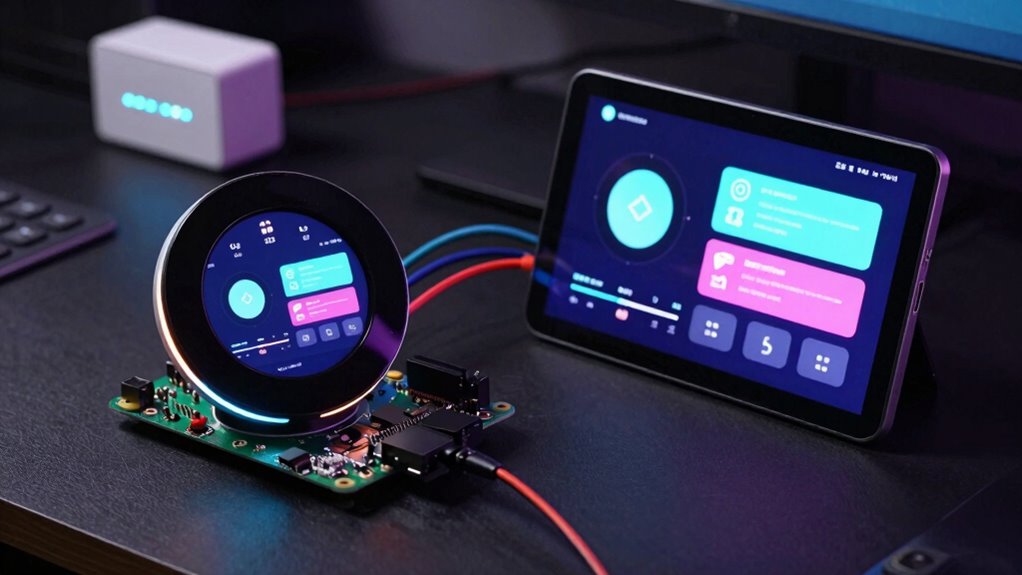
Their ultra-low-power SoCs aren’t just lab demos—they’re already in production, showing up in real-life gadgets like ChooChoo, the AI reading buddy that talks, listens, and even laughs at your terrible jokes—all trained locally on RiseLink’s edge AI chips. No internet? No problem. It just works, like magic with a PhD.
At their CES booth 53117 in the Venetian Expo, the buzz is real—engineers, founders, and even a suspiciously enthusiastic guy in a robot suit are crowding around the ChooChoo demo, testing how fast it responds to voice commands. The demo showcases seamless integration with Echo devices and other Alexa-compatible products that typically require hefty power consumption.
Meanwhile, RiseLink’s CEO, Dr. Pengfei Zhang, is on a CES Smart Home panel with Amazon and Bosch bigwigs, calmly explaining why edge AI doesn’t need to be power-hungry to be powerful. Part of Beken Corporation, the company leverages deep expertise in wireless communication to drive innovation in AIoT solutions. The panel, titled “The Latest in Smart Devices and Smart Home Integration,” underscores RiseLink’s role in advancing smart home integration.
And let’s be real—any chip that can keep up with today’s AI frenzy while sipping power like it’s sipping tea? That’s the kind of quiet flex that wins races no one sees. You don’t need fireworks when your tech speaks for itself—and RiseLink’s saying quite a lot, all while running on barely a whisper of electricity.
References
- https://www.barchart.com/story/news/36853133/riselink-showcases-ultra-low-power-edge-ai-and-wi-fi-socs-powering-next-generation-smart-devices-at-ces-2026
- https://www.prnewswire.com/news-releases/riselink-showcases-ultra-low-power-edge-ai-and-wi-fi-socs-powering-next-generation-smart-devices-at-ces-2026-302651527.html
- https://etron.com/news_list/ces-2026-eys3d-microelectronics-and-etron-technology-jointly-launch-xink-nano-edge-ai-real-time-sensing-computing-fusion-platform-successfully-deployed-in-smart-parking-applications-driv/
- https://www.edge-ai-vision.com/the-alliance/alliance-members-at-2026-ces/
- https://longbridge.com/en/news/271166943
- https://en.eeworld.com.cn/news/manufacture/eic715843.html
- https://www.tmgm.com/en/analysis/market-news/article/ces-ai-hardware-and-chip-giants-investment-guide