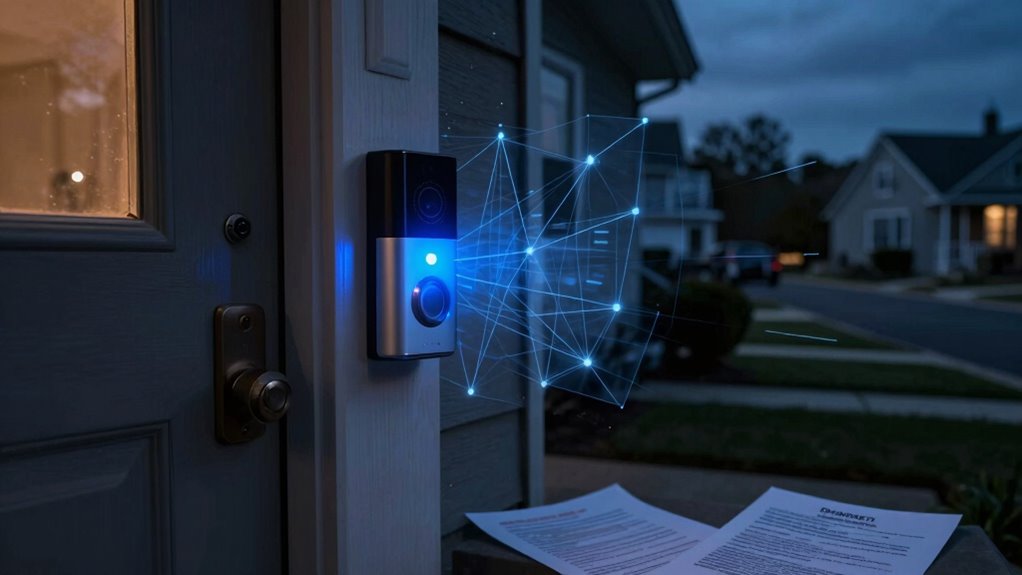

Overview of Ring’s Facial Recognition Privacy Controversies. Ring’s deployment of facial recognition technology within its video doorbell ecosystem has initiated a series of privacy-related legal and regulatory challenges. Central to these controversies is an Illinois class action lawsuit filed by Michelle Wise, which alleges that Ring collects and stores facial biometric data without obtaining explicit consent, thereby violating the Illinois Biometric Information Privacy Act (BIPA).
Ring faces legal challenges over collecting facial biometric data without user consent, violating Illinois privacy laws.
The lawsuit contends that Ring generates detailed geometric face templates—referred to as “face templates”—that are stored insecurely and without transparent retention policies. U.S. District Judge John C. Coughenour denied Ring’s motion to dismiss on August 3, 2025, allowing the case to proceed, with claims emphasizing non-compliance of informed written consent, secure data storage, and prompt destruction of biometric data mandated by BIPA.
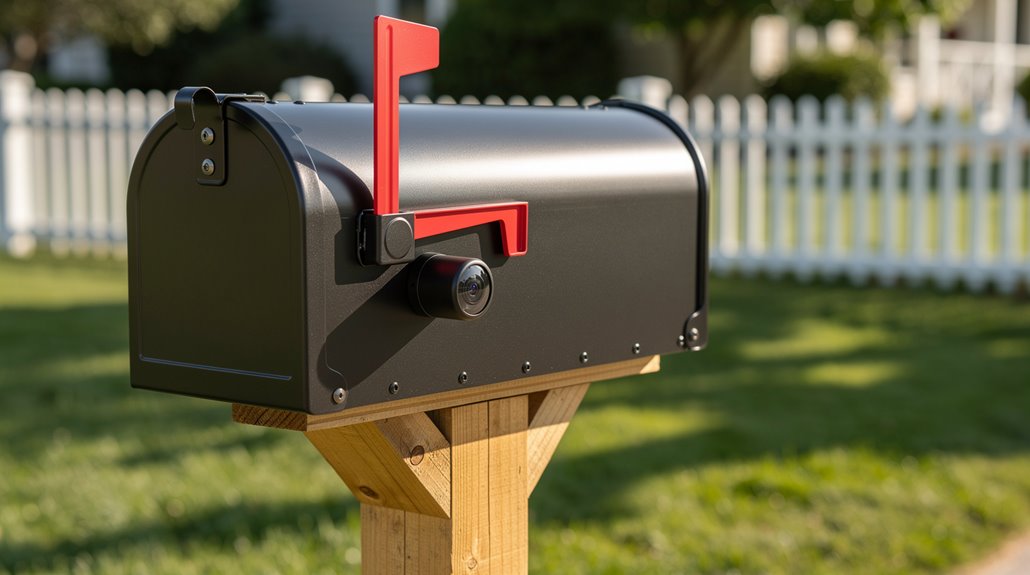
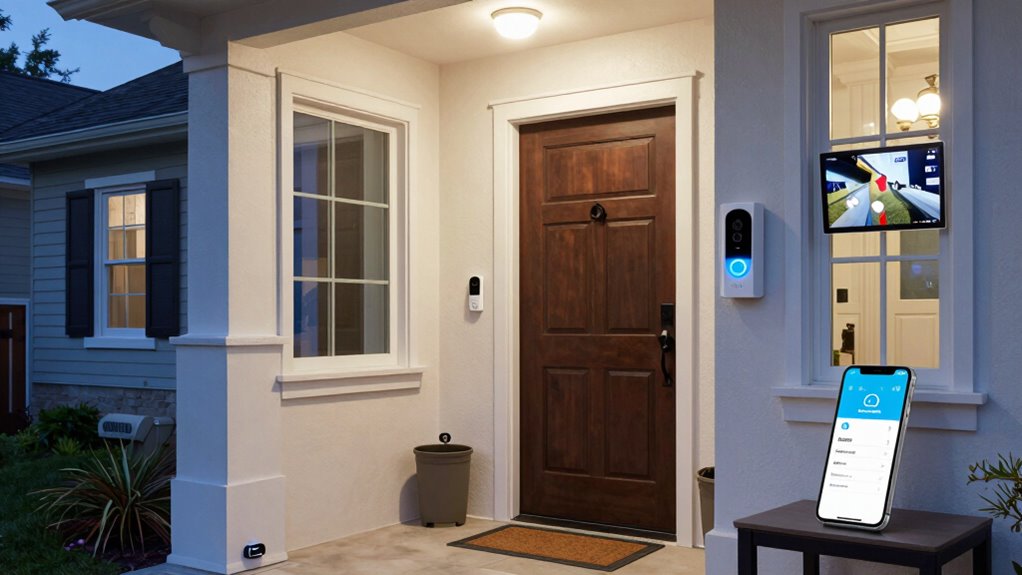
Technical Overview of Facial Recognition Features. Introduced in December 2025 as an opt-in feature for Ring device owners, “Familiar Faces” systematically scans all individuals approaching cameras, regardless of their consent or user status, creating and retaining catalogs of up to 50 facial profiles per device owner. Extracted biometric data, namely tagged reference images, remain in indefinite retention until manually deleted by owners, while unnamed face images expire after a 30-day period. Ring’s feature converts images into faceprints—unique numerical representations—used for matching purposes. Similar to security cameras on private property mailboxes, Ring devices must comply with local regulations and respect privacy expectations to avoid legal complications.
Ring provides in-app notices about biometric data usage and applicable local consent laws exclusively to device owners rather than to scanned non-users. Geographic limitations include exclusions from Illinois, Texas, and Portland, Oregon deployments to comply with regional biometric privacy statutes.
Regulatory and Law Enforcement Scrutiny. U.S. Senator Edward J. Markey‘s ongoing investigation since 2019 highlights concerns over inadequate privacy controls and civil liberties safeguards, particularly with Ring’s extensive law enforcement partnerships involving over 2,161 agencies by 2022—a fivefold increase since 2019. Documentation reveals instances where Ring shared user footage with police departments eleven times within one year under an “emergency exception” without owner consent.
Additionally, Ring’s 2018 patented facial recognition system intended for law enforcement linking to biometric databases was subsequently withdrawn. Privacy advocates caution against Ring’s heat-mapped doorbell data sharing, cautioning about the formation of a “massive decentralized surveillance network.”
Historical Security Breaches and Data Mismanagement. Prior infractions include a $5.8 million Federal Trade Commission penalty in 2023 due to unrestricted access to users’ video feeds by employees and contractors, compromised Neighbors app vulnerabilities exposing precise user locations, and widespread circulation of Ring user passwords on the dark web. Notable hacking incidents have involved unauthorized third-party communication through cameras and racially charged attacks, revealing significant vulnerabilities in Ring’s security architecture that compound privacy concerns amid facial recognition deployments.
References
- https://topclassactions.com/lawsuit-settlements/privacy/ring-class-action-lawsuit-says-video-doorbells-violate-privacy-law/
- https://www.eff.org/deeplinks/2025/11/legal-case-against-rings-face-recognition-feature
- https://techcrunch.com/2025/12/09/amazons-ring-rolls-out-controversial-ai-powered-facial-recognition-feature-to-video-doorbells/
- https://www.biometricupdate.com/202512/ring-faces-new-scrutiny-as-lawmaker-warns-of-biometric-surveillance-crisis
- https://www.markey.senate.gov/news/press-releases/just-in-time-for-holiday-deliveries-sen-markeys-probe-exposes-amazons-alarming-privacy-violations-with-facial-recognition-technology-in-ring-doorbell
- https://therecord.media/lawmaker-calls-facial-recognition-doorbell-cameras-privacy-nightmare
- https://www.mlex.com/articles/2420703/ring-doorbell-cameras-are-privacy-nightmare-us-sen-markey-says
- https://www.privacyworld.blog/2025/12/2025-year-in-review-biometric-privacy-litigation/