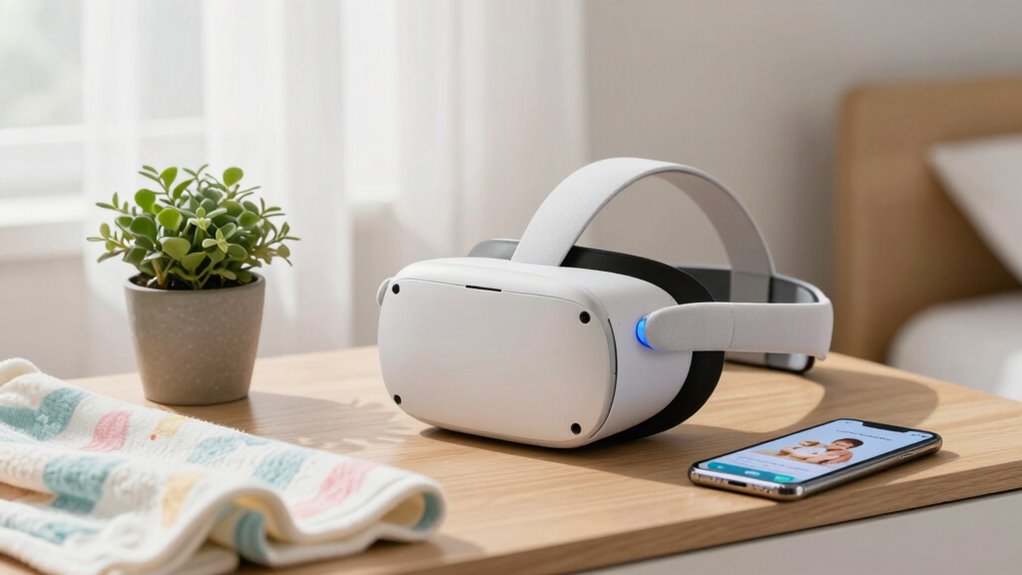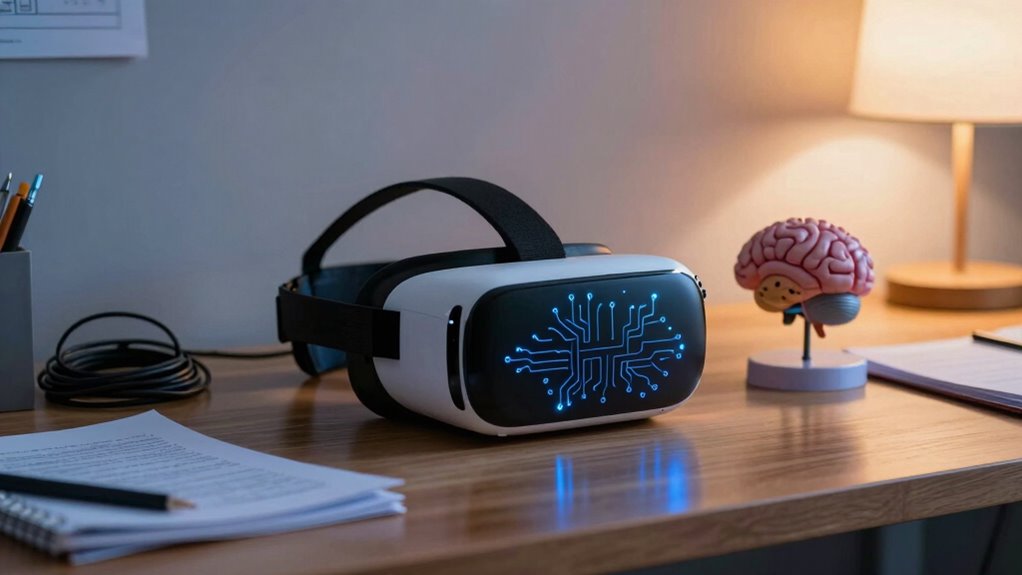
Parental concerns about virtual reality are rising faster than you can say “headset,” as moms, dads, and guardians push for solid science on how VR might shape kids’ brains and behavior. The discussion isn’t about gadgets pretending to be magic wands; it’s about real worries—how long kids stare into screens, whether VR could tweak attention spans, or if it subtly nudges habits in directions we don’t fully understand yet.
In short, parents want answers they can trust, not headlines that fade by next Tuesday.
In the short term, studies with 10- to 12-year-olds showed light footprints, if any, from five daily 60-minute VR sessions. Visual functions like acuity and stereoacuity stayed steady, and postural stability didn’t take a dive after VR exposure. Inhibitory control, a key executive function, remained intact under moderate use, and any discomfort reported was mild and fleeting.
That’s the kind of news parents drool over at the kitchen table, because it hints at minimal risk while kids are chasing chalk-dusted, glowing rewards.
Yet the picture isn’t all clear. Some visual measures shift briefly—accommodation ratios wobble, stereoacuity dips a touch, and near point convergence pulls inward for a moment before recovering. The best takeaway is that many of these changes normalize quickly, often within minutes to a day.
And while 11% of kids 8-17 reported dizziness, 10% headaches, and 13% collisions during VR, those numbers aren’t negligible, prompting calls for cautious use and ongoing checks. The question lingering in the parental mind is about long term effects and how a steady stream of VR might interact with development over years, not just days.
Cognitive gains surface too—VR training can boost hand-eye coordination, reaction time, and even reduce inattention in some children.
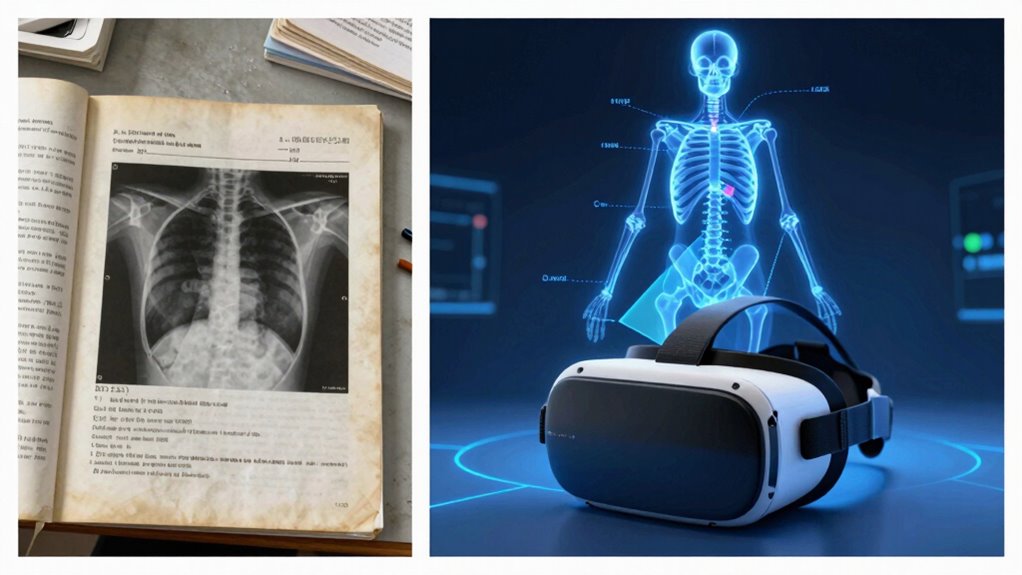
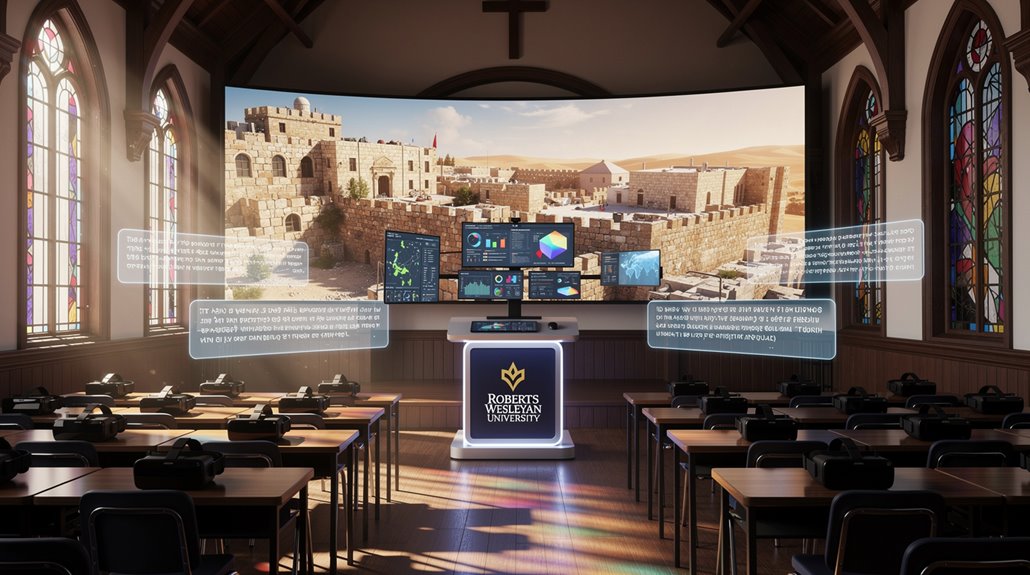
Still, the broader concern is about developmental research: how VR’s cognitive effects map onto real-world skills, education, and emotional development. Parents see educational potential, but they want to know if the lure of immersive tech could sow distraction or create a habit loop—VR addiction in tiny form.
The consensus: supervise, set time limits, and keep conversations open about what kids are learning and feeling, as the science continues to unfold. Just as security researchers urge users of connected devices to apply firmware updates and patches to protect against newly discovered vulnerabilities, parents and educators are similarly advised to stay current with evolving VR safety guidelines as new research emerges. VR studies show that 60-minute sessions over four days produced no negative effects on visual functioning, balance, or inhibitory control in children aged 10-12, suggesting that moderate VR use aligns with safety guidelines.
References
- https://www.frontiersin.org/journals/virtual-reality/articles/10.3389/frvir.2025.1547198/full
- https://pmc.ncbi.nlm.nih.gov/articles/PMC10002333/
- https://news.stanford.edu/stories/2018/04/emerging-research-shows-potential-power-vr-kids
- https://www.earth.com/news/families-want-answers-about-how-virtual-reality-affects-childrens-brains/
- https://news.ncsu.edu/2026/03/families-want-vr-research/
- https://www.nationwidechildrens.org/research/clinical-research/behavioral-health-clinical-research/vr-games-and-brain-activity
- https://research.aota.org/ajot/article/79/6/7906205140/28454/Effects-of-Virtual-Reality-Among-Children-With
- https://childlife.scholasticahq.com/article/72085-effects-of-virtual-reality-during-pediatric-vaccinations