Imagine setting up a security camera to keep your family safe, only to find out it’s basically a welcome mat for hackers halfway across the world—yep, that’s the tech version of locking your front door but leaving the window wide open with a neon “climb here” sign.
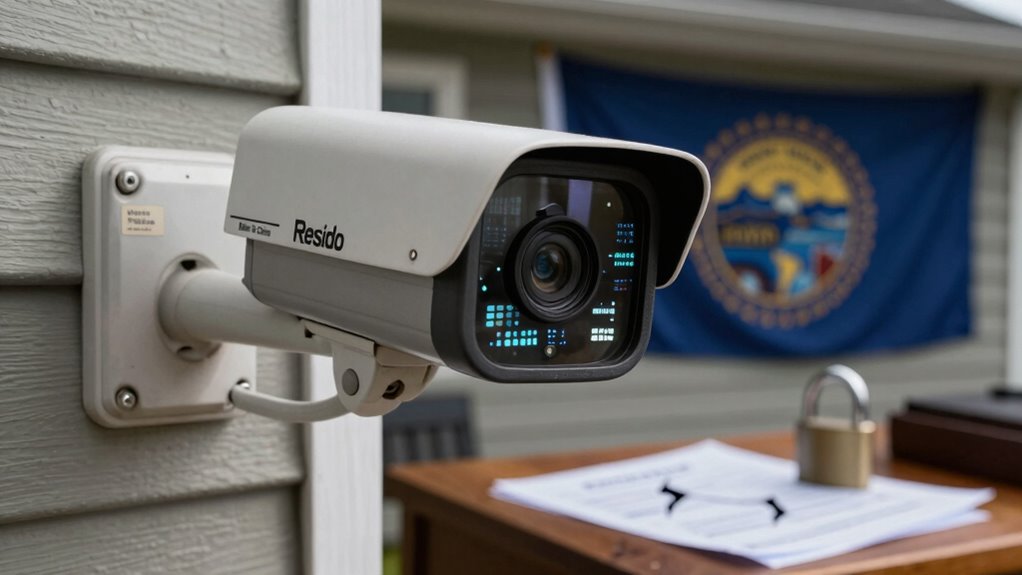
That’s exactly what happened with Resideo, the company behind ADI Global Distribution, now under fire for selling Chinese-made surveillance cameras from Hikvision and Dahua—both flagged by the U.S. government for serious cybersecurity risks and human rights ties.
These aren’t just sketchy gadgets, they’re equipment the feds say could let bad actors spy on your living room, your kid’s school, or your local clinic. And get this—Resideo slapped their own “Capture” brand on Dahua cameras, hiding the real manufacturer like a shell game. Talk about a bait-and-switch.
They rebranded risky Chinese cameras as their own, hiding the maker—marketing them as safe while selling a backdoor to your home.
Here’s the kicker: they marketed these cameras as “secure, high-performance” gear perfect for homes, schools, even hospitals. Meanwhile, zero mention of the massive privacy holes or the fact that Congress already banned this gear over national security concerns.
That’s not just misleading, it’s a straight-up betrayal of consumer trust. When your security system might actually be a backdoor for surveillance, you’ve got serious problems—and an even more serious failure in surveillance ethics. It’s like trusting your babysitter, only to find out they’re on a watchlist.
Nebraska’s Attorney General Mike Hilgers isn’t having it. He filed a lawsuit accusing Resideo and ADI of deceptive marketing, demanding they stop the spin and face penalties under state consumer protection laws.
The legal action aims to shut down the misleading sales and set a precedent: you can’t rebrand risky tech and pretend it’s safe just because it’s profitable. Even after laws cracked down on these cameras, Resideo kept selling them through multiple channels, leaving average users clueless.
You bought a shield, but you might’ve installed a spy. With privacy this compromised, ethical lines are not just blurred—they’re shattered. And in 2024, that’s not just shady, it’s downright reckless.
Similar security issues have plagued other camera systems, with researchers discovering root-level exploits in firmware that can grant complete control to attackers even in supposedly secure devices.
Independent researchers have confirmed the presence of embedded backdoors in some of these devices, creating severe vulnerabilities that could allow remote access to video feeds without detection.