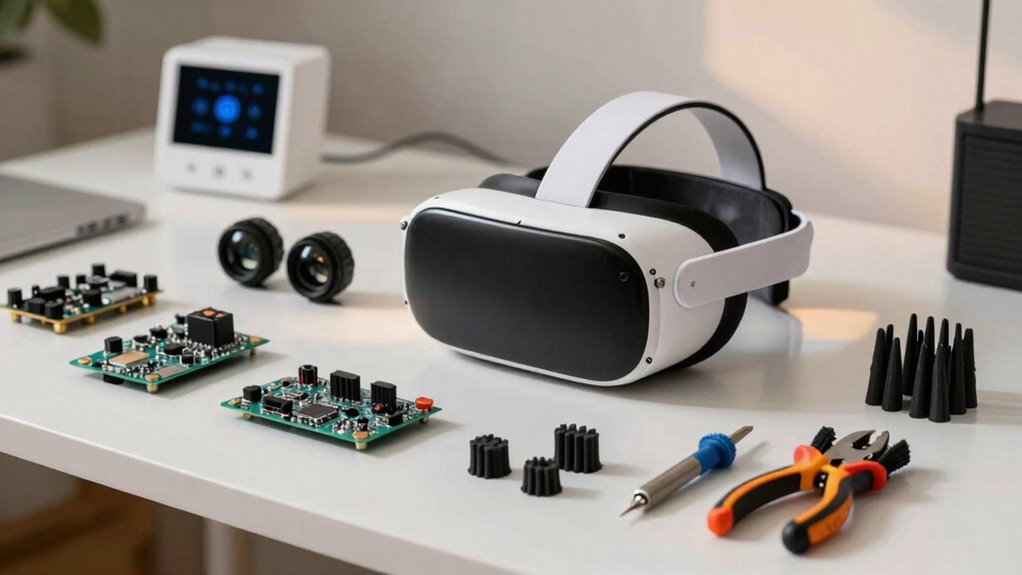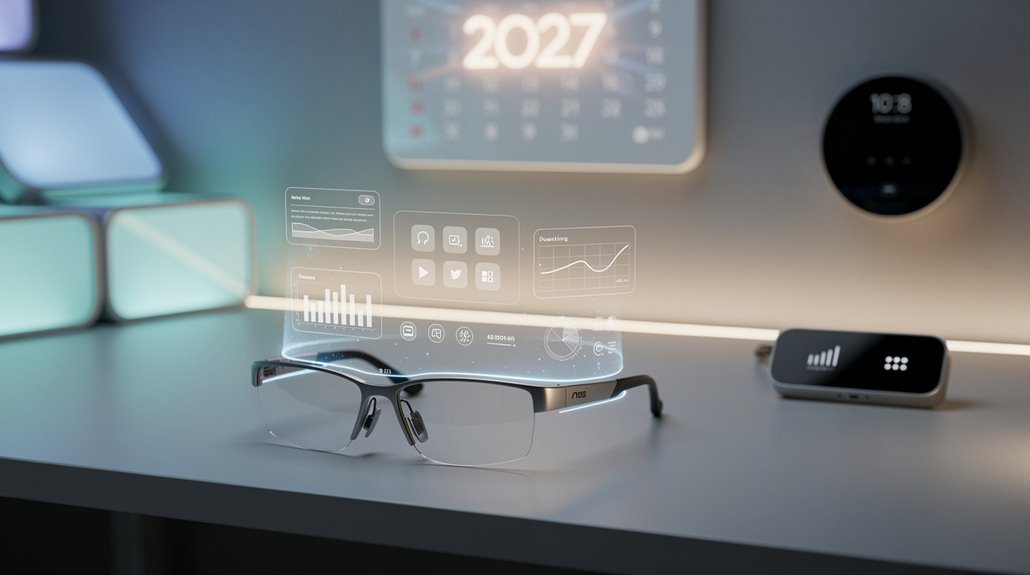
As Meta continues to refine its extended reality hardware portfolio, the company has internally delayed the launch of Phoenix—a high-end mixed-reality headset positioned above its current Quest lineup—from an originally targeted 2026 release window to 2027, according to internal timelines reported by Business Insider. The postponement reflects Meta’s strategic decision to prioritize product quality over accelerated market entry, with internal assessments indicating the hardware and software stack have not yet achieved the performance benchmarks required for a premium mixed-reality device.
Meta pushes its premium Phoenix mixed-reality headset from 2026 to 2027, prioritizing quality over speed as hardware fails internal benchmarks.
Phoenix represents a flagship component of Meta’s broader metaverse and XR hardware roadmap, designed to blend virtual reality and augmented reality capabilities through advanced passthrough cameras that enable high-fidelity mixed-reality overlays. The device is expected to feature improved displays and lenses delivering enhanced resolution and visual clarity beyond current Quest 3 specifications, while targeting a lighter, more comfortable form factor that addresses persistent ergonomic challenges in extended-reality wearables. Similar to Apple’s approach with the U1 chip technology, Meta is developing proprietary tracking solutions to enable precise spatial awareness and item location capabilities.
Internal development goals emphasize the integration of Meta’s custom XR software stack with proprietary services and applications, positioning Phoenix as a key access point to the company’s Horizon metaverse platforms. The timeline adjustment underscores the technical complexity inherent in developing advanced mixed-reality optics, sensors, and processing systems capable of delivering seamless immersive and passthrough experiences.
Meta has framed the delay as a deliberate quality initiative rather than program cancellation, aligning with the company’s evolving strategy toward fewer but more impactful hardware launches within the XR sector. This approach reflects lessons learned from competitive market dynamics, particularly following Apple’s Vision Pro introduction, which has substantially elevated consumer expectations for mixed-reality performance and refinement.
The postponement positions Phoenix’s eventual arrival within an increasingly competitive landscape populated by offerings from Apple, Google, and emerging XR manufacturers. By extending development timelines to 2027, Meta gains opportunity to incorporate competitor product learnings and user feedback while continuing multi-year capital expenditures through Reality Labs for XR research, development, and hardware manufacturing. The move coincides with Reality Labs budget cuts affecting Meta’s metaverse initiative, with reported potential reductions up to 30%.
The delay reinforces Meta’s commitment to establishing computing interfaces independent of smartphone platforms, despite near-term schedule adjustments affecting this premium mixed-reality initiative.