Let’s be real—nobody likes walking into a room that smells like forgotten gym socks. Or worse, last week’s burrito left in the back of the fridge. That’s why more homes are turning into mini scent sanctuaries, especially with electric air fresheners taking over like a quiet but very fragrant revolution.
Nobody wants a home that reeks of old gym socks or expired burritos—enter the quiet, fragrant revolution of electric air fresheners.
The electric air freshener market isn’t just growing—it’s exploding, projected to hit USD 7.01 billion by 2030, with a global air freshener market value possibly soaring past USD 27.7 billion. And get this: the U.S. alone is expected to reach USD 3.74 billion by 2030, up from USD 2.67 billion in 2024. Not too shabby for something that quietly sits on a wall and does its job while you binge your favorite show.
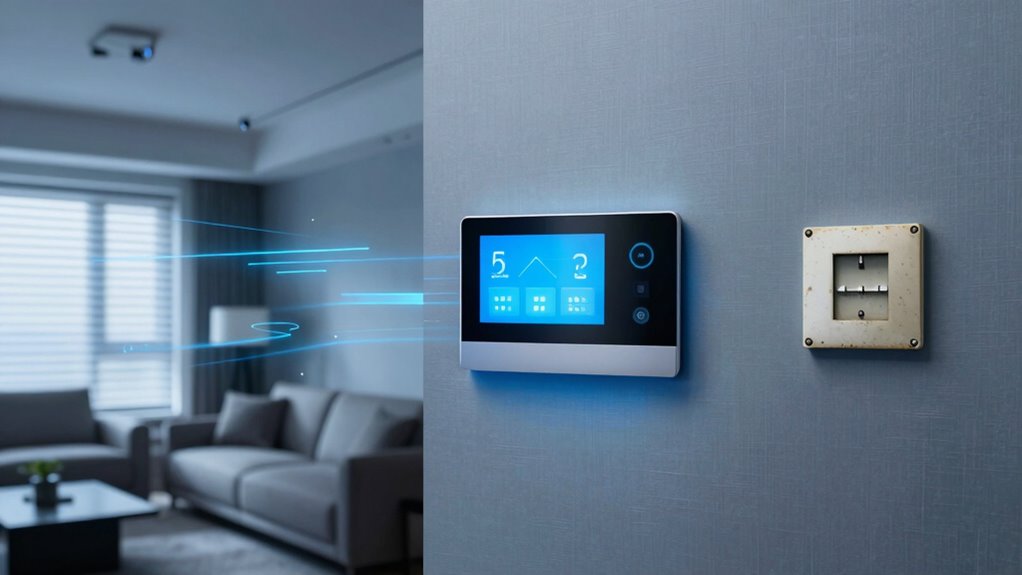
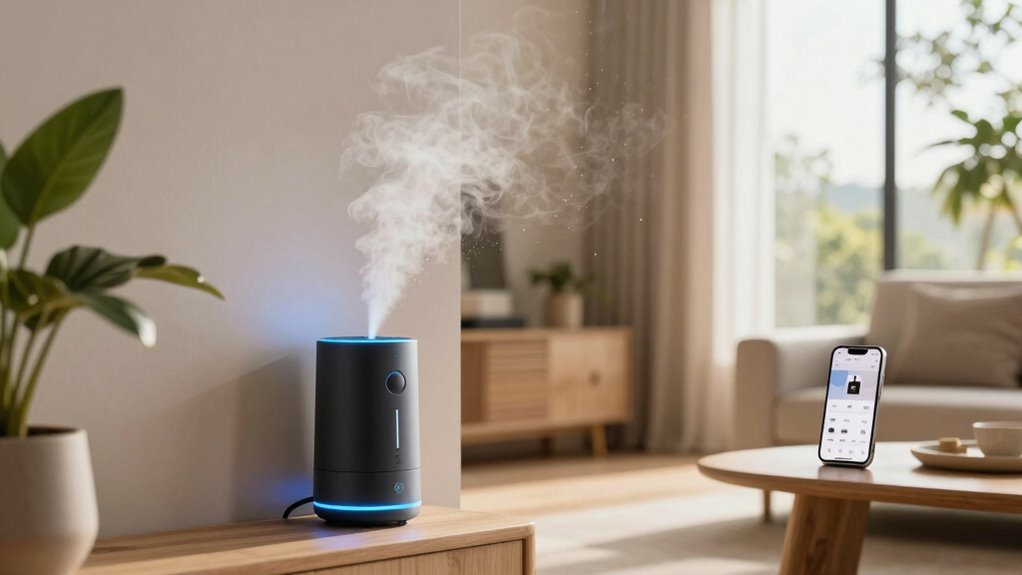
Electric air fresheners are no longer just plug-in novelties with a faint floral whiff. Nope. They’ve gone full sci-fi. Thanks to smart technology, you can now control your home’s scent with a phone app—or even a motion sensor. Many new models are now Alexa compatible, allowing users to control fragrance intensity through voice commands. P&G’s launched products that detect movement and auto-spray, because honestly, who wants to remember to press a button every time Fido decides the carpet needs a warning?
Consumers, especially busy ones juggling jobs, kids, or just trying to adult, love the “set it and forget it” vibe. It fits perfectly into modern consumer preferences: convenient, clean, and kind of fancy without trying too hard.
Residential spaces make up the bulk of the market—about 76.7% in 2023—because people want their homes to smell like a spa, not a locker room. Even car fresheners and bathroom-specific scents are having a moment.
With rising health awareness, brands are ditching toxins and going eco-friendly, using natural ingredients and smart dispensers like AirQ by Sensaroma that avoid harmful emissions. Innovation is in full swing, with R&D teams busy cooking up new fragrances and smarter delivery systems. This shift is fueled by growing awareness of aromatherapy, which is increasingly influencing consumer choices and market growth.
As urban living increases and air quality concerns grow, electric dispensers—wall-mounted, sleek, and silent—have become essential. They’re not just freshening air, they’re upgrading lifestyles, one automated puff at a time. The residential segment accounted for 76.7% of market share in 2023, driven by increased time spent at home and demand for personalized, pleasant indoor environments.
References
- https://www.grandviewresearch.com/press-release/us-air-fresheners-market-analysis
- https://www.precedenceresearch.com/press-release/air-freshener-market
- https://www.grandviewresearch.com/press-release/global-air-freshener-dispenser-market
- https://www.kbvresearch.com/air-freshener-market/
- https://www.lucintel.com/air-freshener-market.aspx
- https://www.knowledge-sourcing.com/report/air-freshener-market
- https://www.nextmsc.com/report/air-freshener-market
- https://www.cognitivemarketresearch.com/air-freshener-market-report
- https://www.researchandmarkets.com/report/united-states-air-fresheners-market