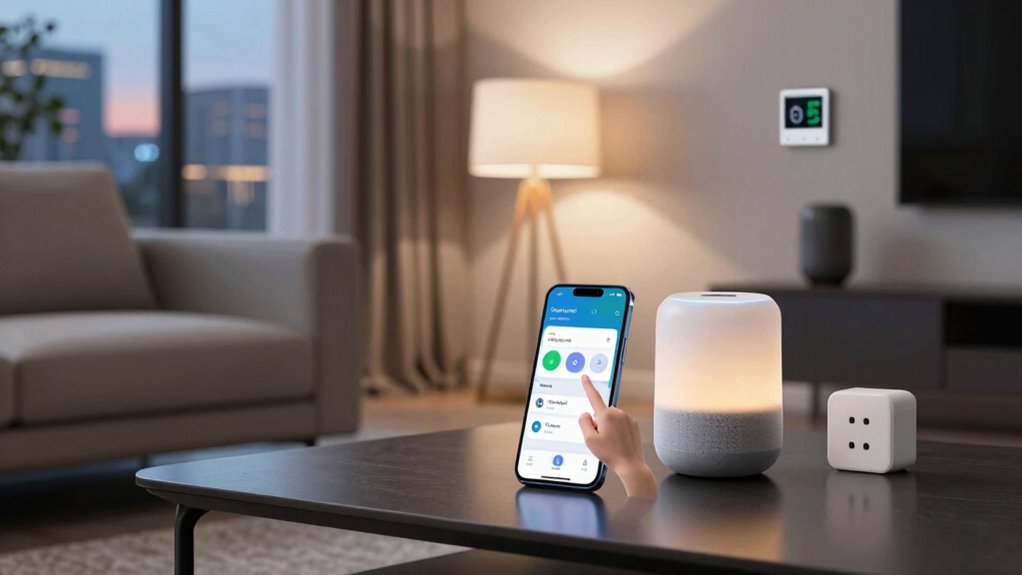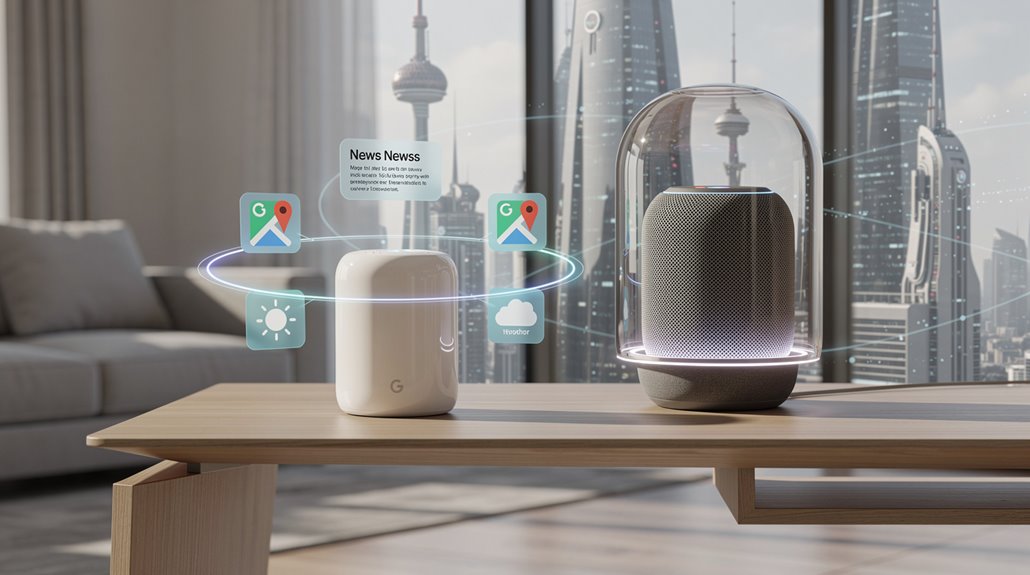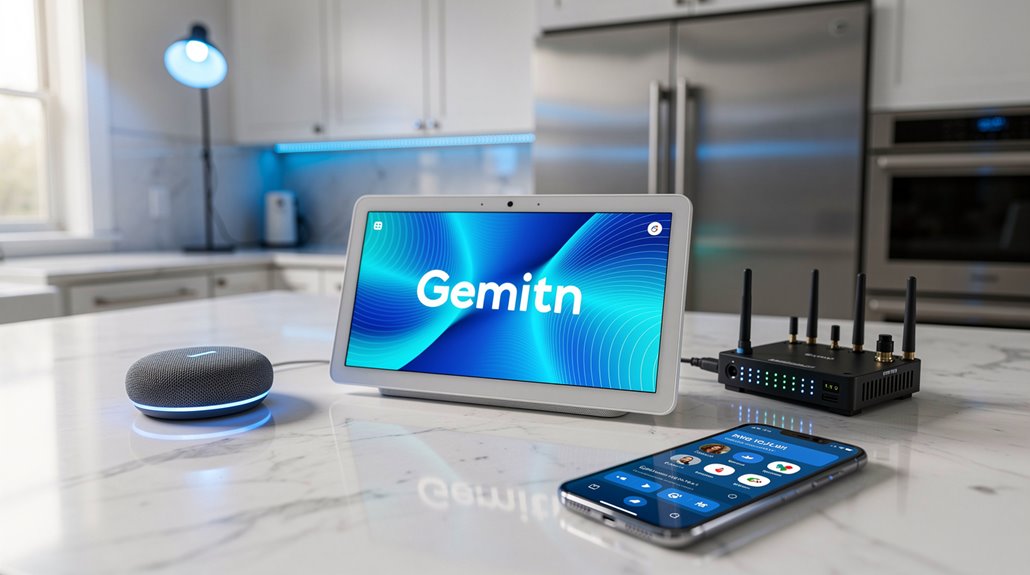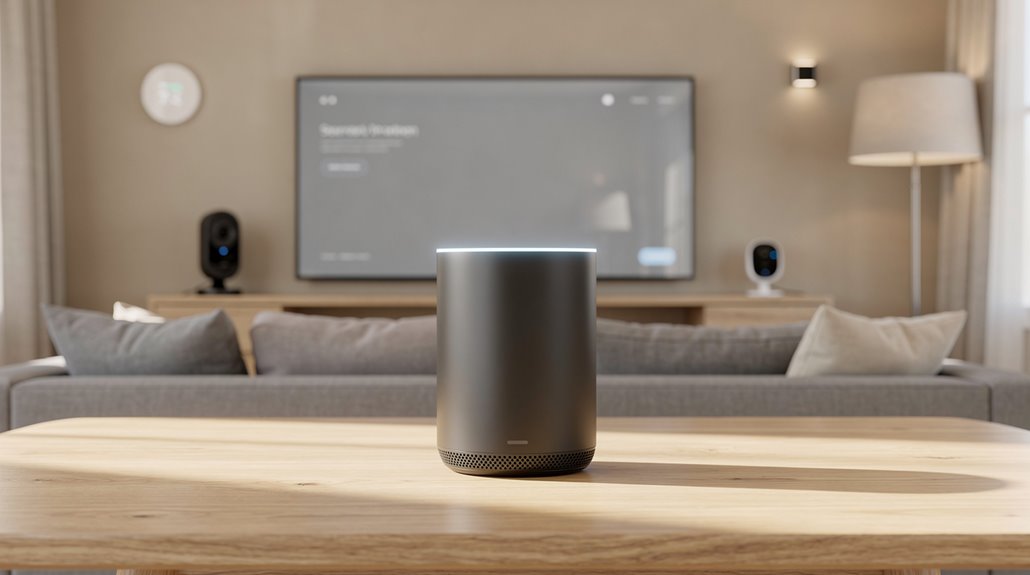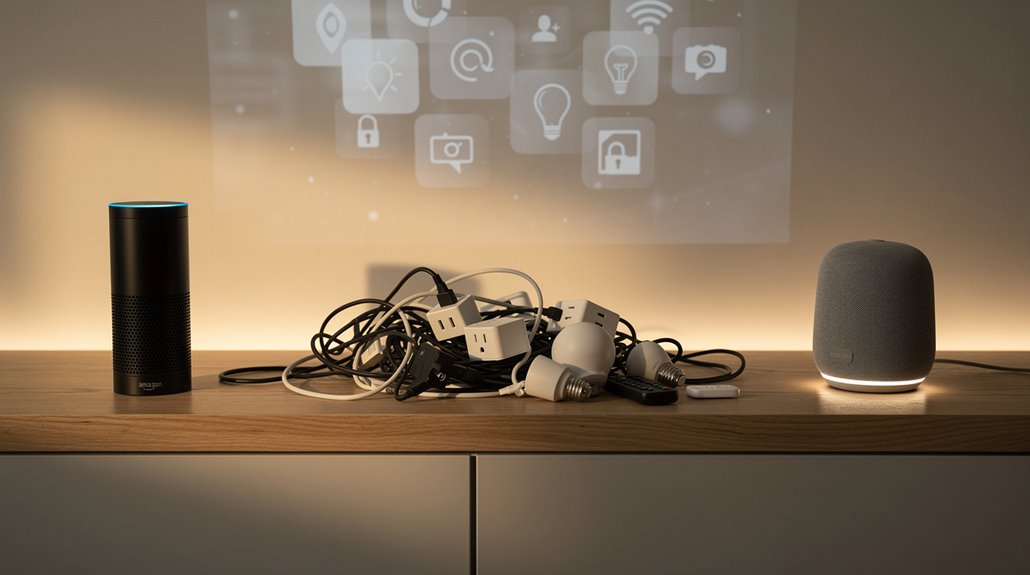
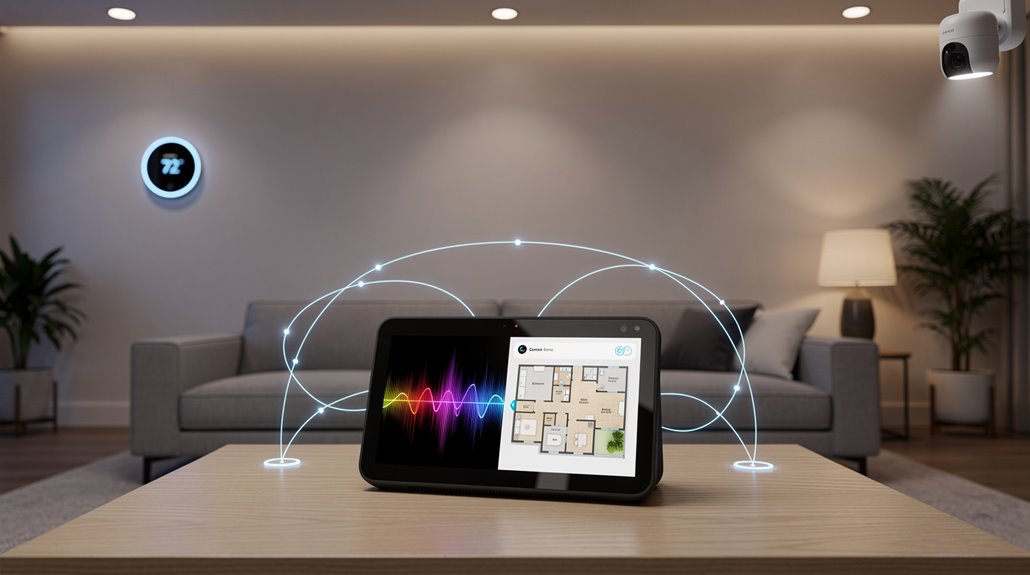
Alexa and Google Home cohabiting a smart home is less a symphony and more a bitter turf war between warring tech empires, stubbornly refusing basic courtesy—or interoperability. One boasts “skills,” the other piles on gadgets, but neither bothers to harmonize. Thanks to proprietary stubbornness and half-hearted Matter adoption, users endure fragmented apps, glitchy commands, and ecosystem lock-ins that rival Cold War diplomacy. If frustration fuels resolve, a deeper breakdown of this digital divide awaits.
How delightfully dystopian: in an era where technology pitches itself as a convenience savior, Amazon’s Alexa and Google Home—two supposed paragons of modern smart living—refuse to fraternize. Instead of a seamless symphony of voice-activated harmony, consumers are left with digital Bizarro World ecosystems, trapped in proprietary silo prisons. Alexa’s curt refusal to acknowledge Google Assistant commands without labyrinthine workarounds is less “smart home” and more “smart hell.”
Each platform ensconces itself behind proprietary walls, as if channeling Renaissance city-states obsessed with gatekeeping, making cross-ecosystem control as accessible as launching an Apollo mission from a backyard sprinkler. Choosing the right platform depends heavily on the user’s existing ecosystem and smart home goals, which only deepens the divide between Alexa and Google users. This divide persists partly because the current technology behind these assistants remains outdated and in need of substantial updates.
These tech titans, to their credit—or lack thereof—offer third-party skirmishes in this battle. Alexa’s arsenal includes third-party skills that half-heartedly reach toward Google services, while Google Home’s app flails about, collecting random third-party devices like an overenthusiastic hoarder.
Routines and automations operate autonomously, like isolated islands refusing to build bridges, while multi-compatible smart devices awkwardly juggle separate integrations without a shred of grace. The workaround dance is less “intuitive consumer experience” and more a Kafkaesque ritual requiring manual configuration patience usually reserved for bureaucratic nightmares.
Then there’s Matter, the much-lauded universal protocol heralded by Amazon, Google, and Apple. Finally, some coalition politics of convenience—the unifying “third party” we desperately need. Matter-certified devices promise cross-platform camaraderie and a world where consumers need not choose sides like an Apple versus PC cage match.
Thread connectivity promises faster, more reliable exchanges, for a flicker of light in this smart home schism. Yet this oasis remains nascent and far from universal salvation.
Attempting to mix Alexa and Google Home in one home is technically feasible but practically analogous to orchestrating a truce between warring neighbors armed with grudge-fueled apps. Exclusive platform devices, splintered user interfaces, and maddeningly fragmented management guarantee user frustration reigns supreme.
Alexa dazzles with third-party flexibility; Google prioritizes Nest exclusivity, locking buyers in like unrepentant digital dynasties.
The grim reality, peppered with reports of baffling app behaviors and reliability glitches, confirms one unassailable truth: in the modern smart home, harmony is an illusion, a cruel joke disguised as innovation. The lesson is clear—choose your allegiance wisely, or prepare to reside forever in a maddening echo chamber of half-baked interoperability.
Frequently Asked Questions
Can Alexa Control Google Home Routines?
Alexa cannot directly control Google Home routines due to limited native integration. However, indirect methods like virtual switches, third-party apps, or the Matter protocol enable cross-platform interactions, though immediate routine triggering remains unsupported across platforms.
Does Google Home Support Amazon Prime Music?
Google Home supports Amazon Music, including Amazon Prime Music, as a default music player. Users can link their Amazon accounts through Google Home settings and control playback via voice commands on Nest devices with an active subscription.
Can I Use Both Devices for Multi-Room Audio?
They cannot use both Alexa and Google Home devices together for multi-room audio because each ecosystem’s proprietary platforms and multi-room groupings operate independently and lack cross-compatibility or shared audio streaming capabilities.
Are There Privacy Concerns Using Alexa and Google Home Together?
Yes, combining Alexa and Google Home raises privacy concerns due to extensive data collection, third-party access vulnerabilities, and potential sharing with data brokers, increasing risks of unauthorized access, targeted advertising, and exploitation of sensitive personal information across platforms.
Can Alexa and Google Home Share Voice Commands?
Alexa and Google Home cannot share voice commands directly. Each assistant requires independent interaction, as commands do not translate across platforms, and custom routines or skills on one system remain inaccessible to the other.
References
- https://sysprostech.com/alexa-vs-google-home-vs-apple-homekit/
- https://www.youtube.com/watch?v=U5wVisnPeOg
- https://www.youtube.com/watch?v=7spuaj9yly0
- https://www.gearbrain.com/smart-home-compatibility-gearbrain-2672559280.html
- https://www.youtube.com/watch?v=QtGulN9mVOs
- https://www.youtube.com/watch?v=oWW0YciAYAk
- https://www.gearbrain.com/alexa-smart-home-routines-explained-2529919768.html
- https://support.google.com/googlenest/answer/9325080?hl=en
- https://community.smartthings.com/t/using-google-home-to-verbally-trigger-a-routine/63010
- https://community.home-assistant.io/t/matter-hub-simple-setup-to-link-google-home-alexa-and-siri-to-home-assistant/792902