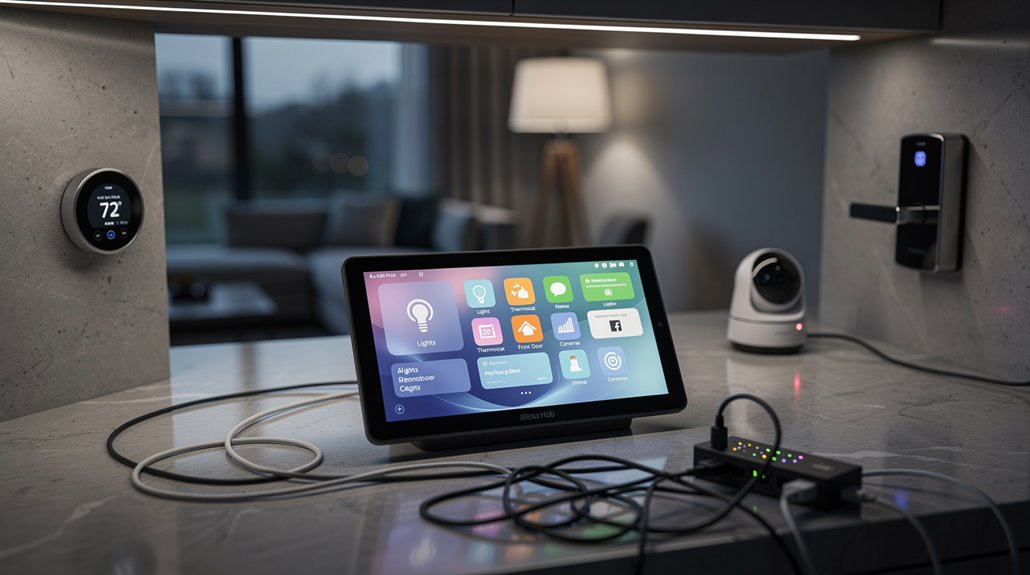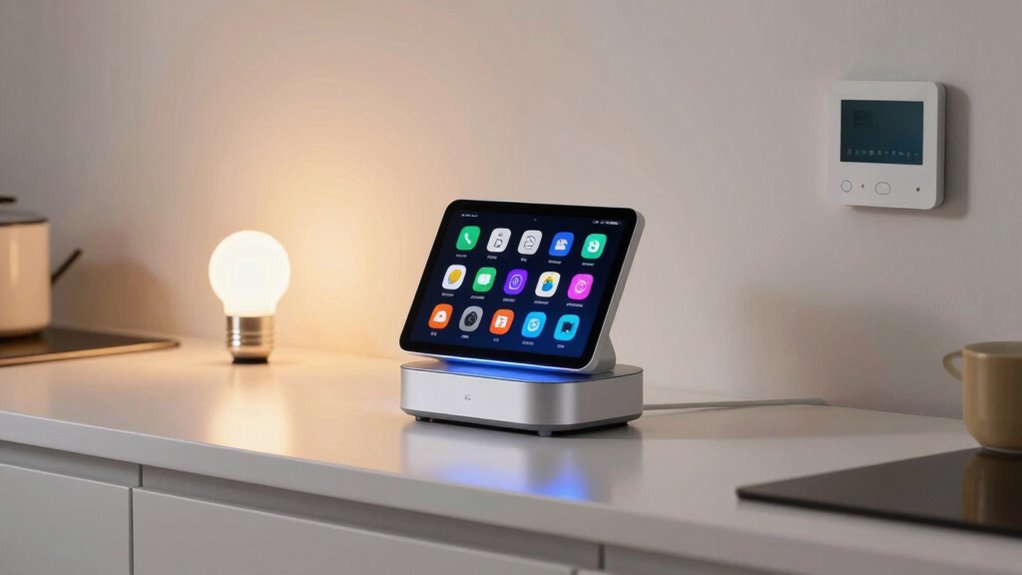

Internal code disclosures from iOS 26 reveal the impending development of Apple’s Home Hub, a stationary tablet-style device designed to function as the primary control center for HomeKit and Matter-compatible smart home accessories.
The codename “Apple Home Hub” appeared in internal code references as early as September 2024, indicating a strategic expansion within Apple’s connected home ecosystem.
Unlike the existing control mechanisms provided by the HomePod mini and Apple TV lines, this new device is characterized as a tablet-class, always-on display tailored for fixed placement in residential environments, with a targeted market launch projected for 2026. Its arrival is seen as imminent by industry insiders, generating significant anticipation for 2026. The device will reportedly come in two variants, including a wall-mounted version and a desktop model with a speaker base similar to the HomePod mini.
A tablet-class, always-on display designed for fixed home placement, launching in 2026.
Hardware and design specifications, as inferred from internal builds and ecosystem requirements, suggest that the Home Hub will incorporate far-field microphones and integrated speakers to facilitate Siri interactions and system alerts.
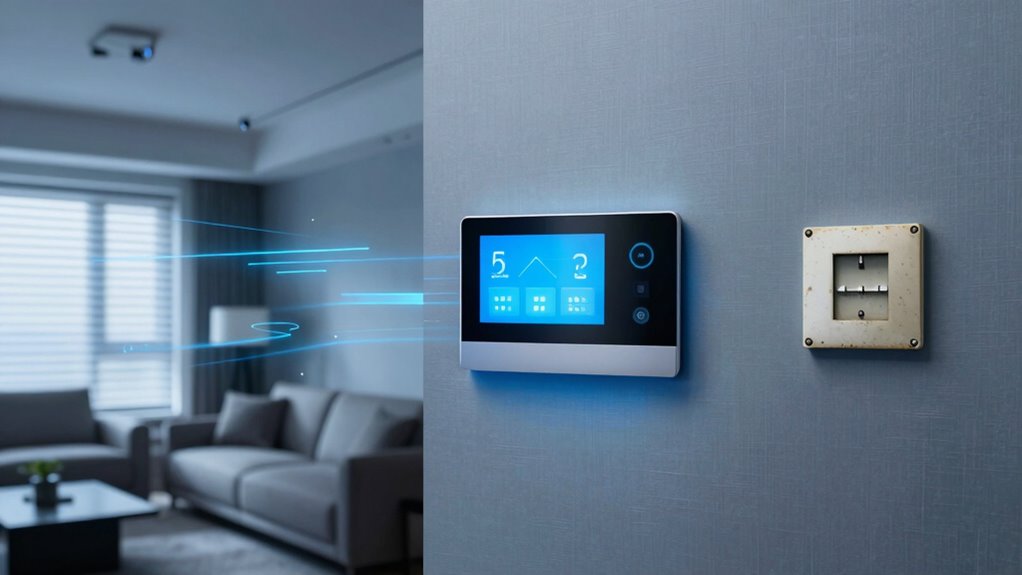
The form factor is expected to support magnetic or wall or stand mounting options akin to current iPad hub concepts, ensuring versatile deployment across varied household settings.
The device will support multiple concurrent camera streams and deliver high-frequency status updates, implying the integration of a robust system-on-chip (SoC) and advanced networking capabilities to manage real-time smart home data ingestion and display.
From a software perspective, the Home Hub is closely tied to Apple Intelligence framework enhancements designed to provide deep contextual awareness and on-device automation capabilities.
Anticipated functionalities include scene automation, anomaly detection in accessory behavior, and proactive suggestions derived from user routines, with a pronounced emphasis on privacy through on-device processing of sensitive home data. The device is expected to implement AES-128 encryption for protecting all smart home data transmissions, following Matter’s stringent security standards.
The interface is expected to run an optimized variant of iOS or tvOS, offering glanceable home dashboards, persistent widgets, and seamless integration with the Home app, Shortcuts, and Focus modes, enabling holistic and home-wide automation scenarios.
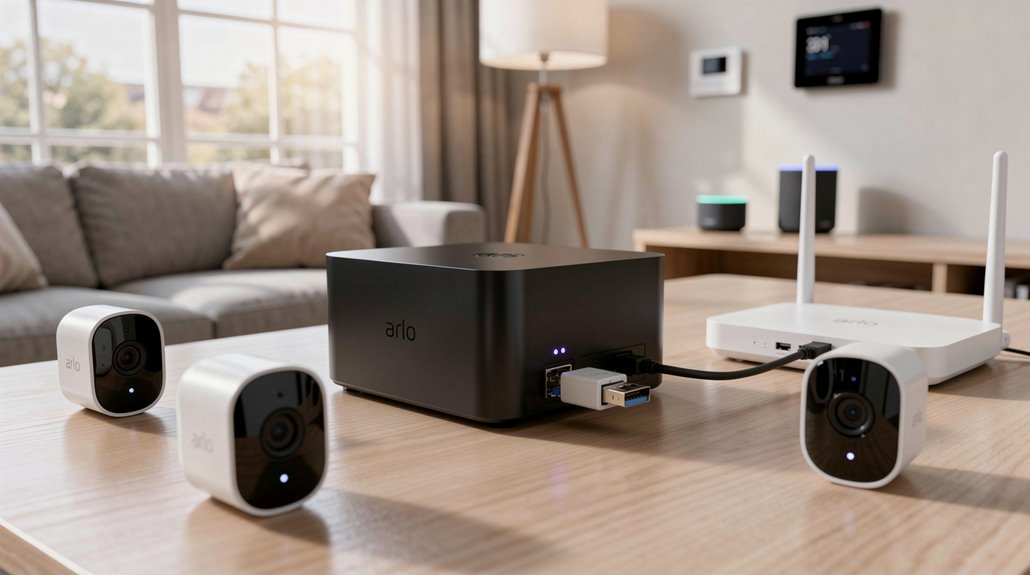
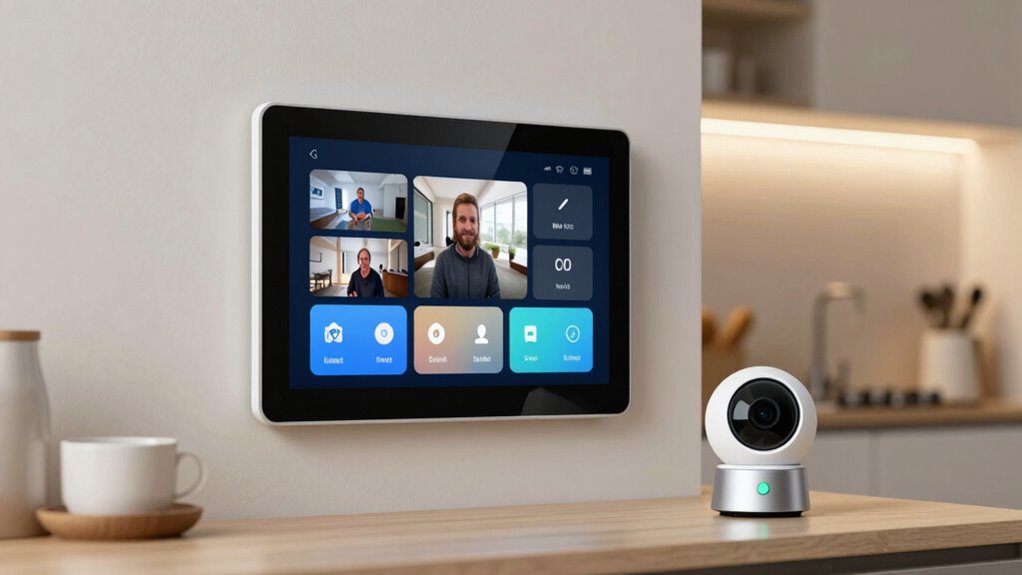
Complementing the Home Hub, rumors further reveal Apple’s first-party development of indoor security cameras engineered for HomeKit compatibility.
These cameras are designed to interface directly with the Home Hub, utilizing it as the primary viewer and control surface, thereby competing with existing market players such as Ring and Nest Cam but delivering tighter integration within the Apple ecosystem.
Strategically focused on indoor monitoring, these devices will augment rather than replace existing HomeKit Secure Video options and support a cohesive 2026 smart home product ecosystem upgrade.