Alexa Queries in 2025
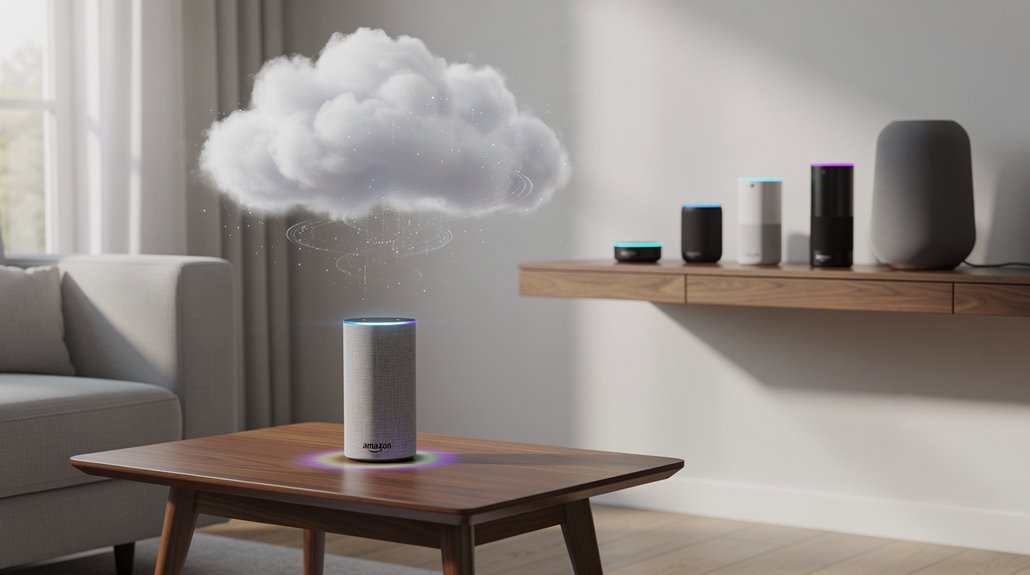
How extensively has Alexa integrated into the global digital ecosystem by 2025? By this year, over 600 million Alexa-enabled devices—including Echo speakers, Fire TV, smart displays, and third-party hardware—are actively deployed worldwide.
By 2025, over 600 million Alexa-enabled devices are actively used worldwide across diverse hardware platforms.
Alexa supports more than 50 languages and operates in excess of 80 countries, contributing to significant localization and query diversity.
Daily user interactions are substantial, with the assistant managing over 100 million timers and alarms each day, underscoring its pervasive role in routine time management.
Moreover, Alexa commands encompass control of upwards of 140,000 smart home devices, indicating critical adoption in domestic automation.
Projection data shows global voice assistant units, including Alexa, are expected to reach 8.4 billion by the end of 2024, surpassing the global population and embedding voice-activated queries ubiquitously in daily digital habits. This volume reflects the inclusion of Alexa across various devices such as smart displays and third-party products, highlighting its expansive reach within the voice assistant market Echo integration. The global smart speaker market size is anticipated to nearly double by 2032, driven by AI advancement and IoT integration market growth.
Common query types reveal prioritized user functions and behaviors. Time-management commands, such as setting timers or alarms, engage approximately 84.9% of Alexa users, marking these as the predominant interaction.
Entertainment and media consumption queries follow closely, with 82.4% requesting music playback, while 66% regularly solicit news briefings, establishing a strong demand for concise, voice-delivered information.
Queries relating to weather, traffic updates, sports scores, and other real-time data constitute a foundational set of daily utilities.
Importantly, only 11.5% of users utilize Alexa for online shopping, reflecting subdued engagement in commercial transactions relative to information retrieval and smart home control.
Demographically, Alexa users skew primarily male, with males accounting for 63.67% to 68.05% of the user base and females representing 32% to 36.33%.
Age segmentation shows 27.6% of users fall within the 25–34 cohort, 20.35% between 35–44, and users aged 45 plus exceed 35%, indicating robust cross-generational adoption.
Millennials account for approximately 18% of retail-oriented query traffic, highlighting their relative prominence in e-commerce interactions.
Geographically, the United States exhibits the highest smart speaker penetration, generating substantial English-language and home automation voice traffic, while mature smart-home adopters tend to submit more complex multi-device commands compared to primarily entertainment-focused users.
Geographical and in-home context provides further insight into usage patterns. Alexa controls approximately 65–70% of the U.S. smart speaker market and maintains dominant shares in Canada (~63%) and notable positions in the UK, Australia, Mexico, and Brazil, ranging between 39% to 59%.
Within U.S. households, 52% of primary smart speakers reside in living or family rooms, emphasizing these zones as centers for family interaction and entertainment inquiries.
Secondary placements such as kitchens and bedrooms contribute significantly to cooking-related, timer, and bedtime routine requests.
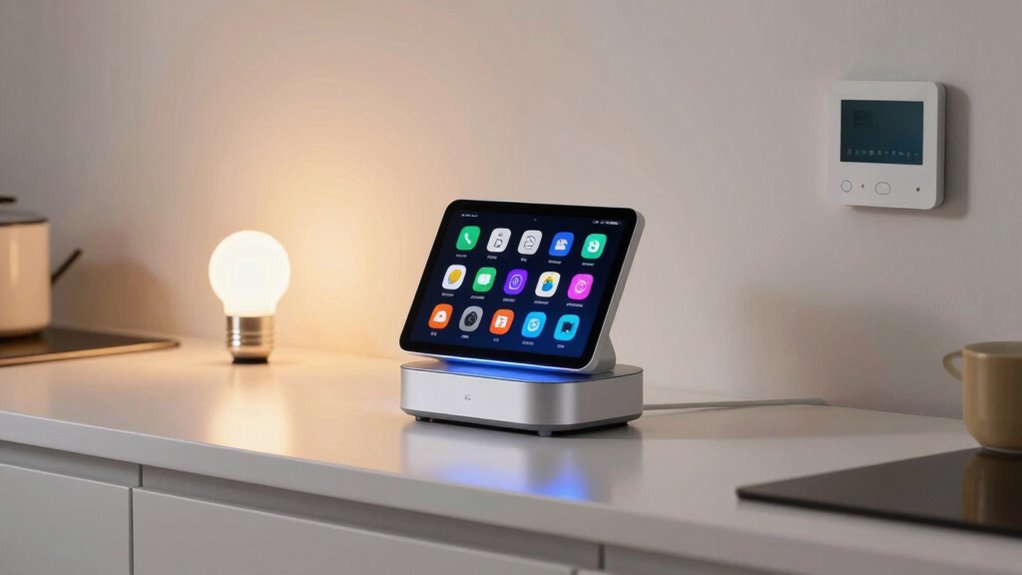
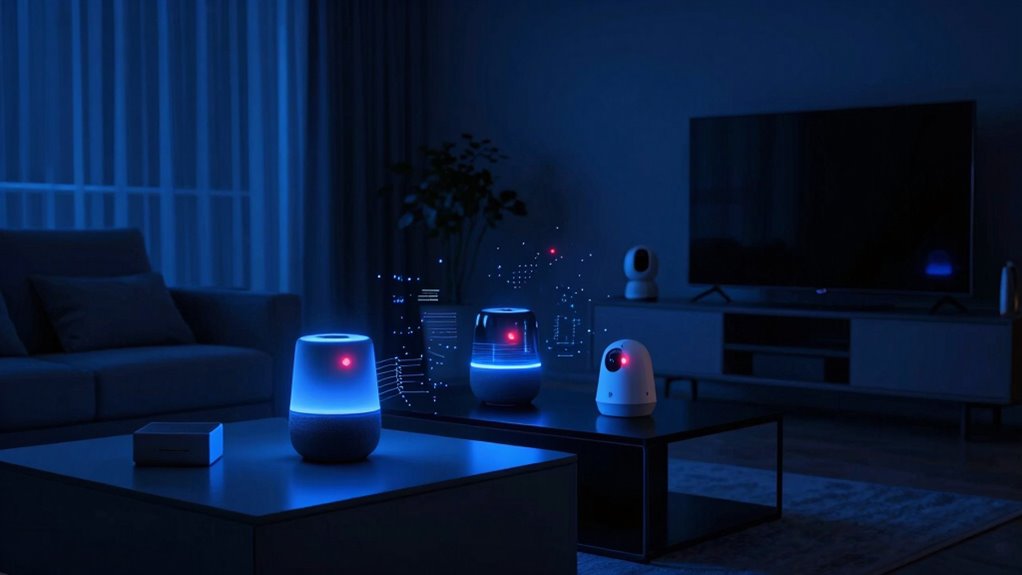
Alexa’s role as a central hub in advanced smart homes is reinforced by its mediation of lighting, thermostat, security system, and connected TV commands across integrated Echo, Fire TV, and third-party devices.
The resultant multi-surface querying behavior permits users to issue similar commands via various device interfaces, enhancing ecosystem fluidity.
Security has become increasingly important to users, with Alexa’s AES-256 encryption providing peace of mind for those concerned about data privacy while using voice commands in their smart homes.