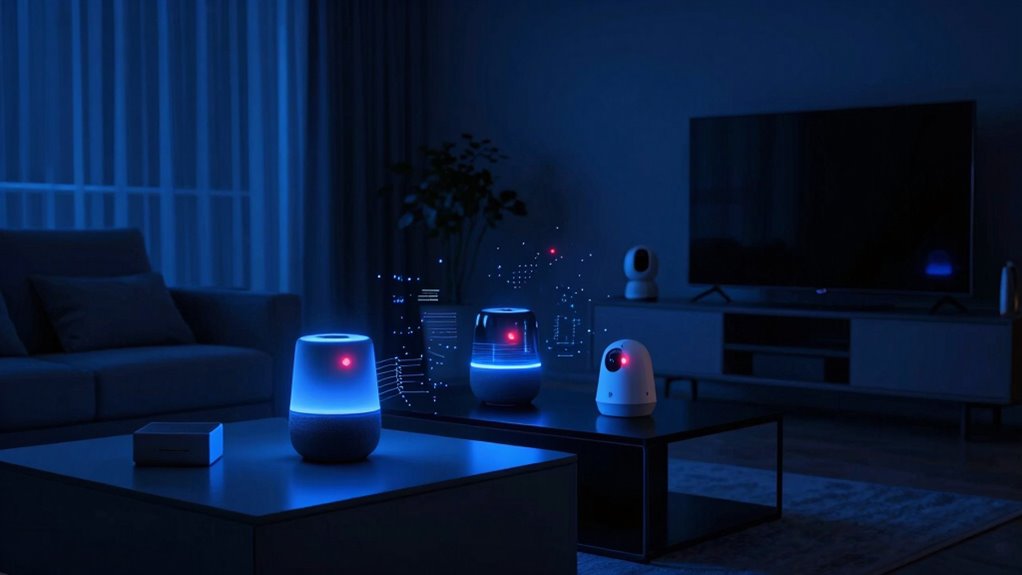
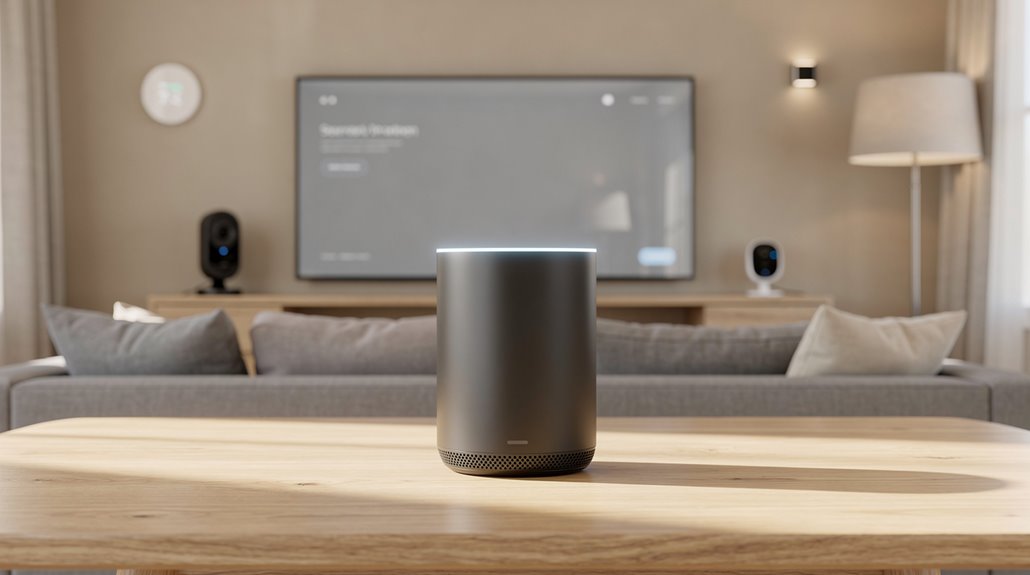
Alexa isn’t a helpful genie but a relentless cloud-bound tattletale, parsing your every mumble for Bezos’ amusement, while Echo is its overpriced loudspeaker minion, broadcasting endless commands with the subtlety of a jail warden’s bark. One’s invasive software sucking up privacy; the other’s a sleek, sometimes bargain-basement box that obediently reduces your living room to an Amazon echo chamber. If the circus intrigues you, there’s more twisted mechanics behind this corporate puppetry.
Though one might expect clarity from an entity as monolithic as Amazon, the difference between Alexa and Echo remains maddeningly opaque to those not fluent in techno-babble.
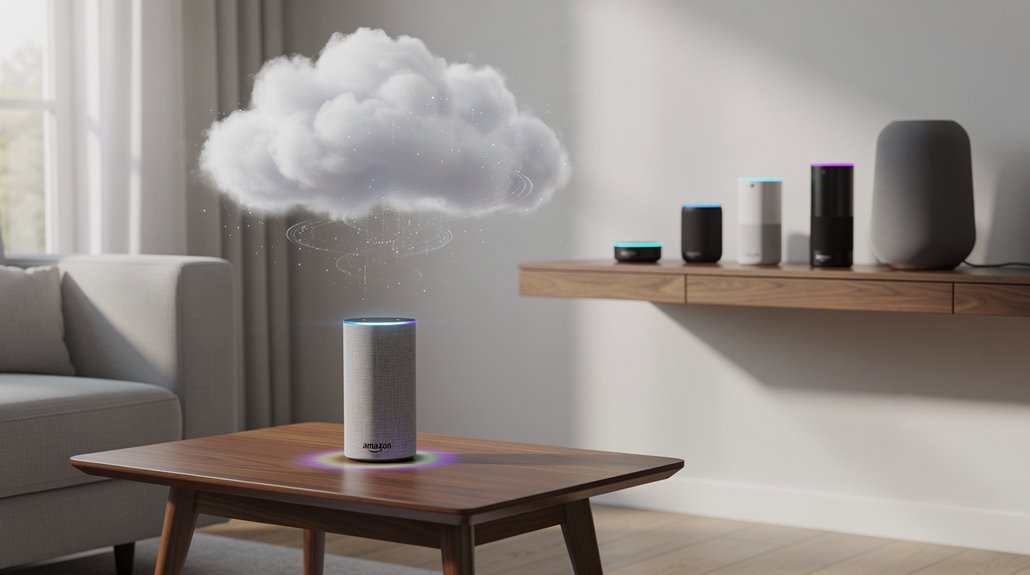
Alexa, for the uninitiated, is not an adorable little robot but a sprawling voice assistant software commandeering the clouds like a benevolent, if slightly nosy, overlord. It processes your natural language commands remotely, using machine learning—because why should your coffee maker be dumb, after all? This software marvel dances invisibly through an ecosystem spanning far beyond Amazon’s own devices, infiltrating third-party speakers and mobile apps with the subtlety of a data-harvesting juggernaut. Alexa serves as the software brain that powers all Echo devices and cannot be separated from their functionality.
Alexa is the invisible, cloud-based overlord transforming your gadgets into clever, data-hungry assistants everywhere.
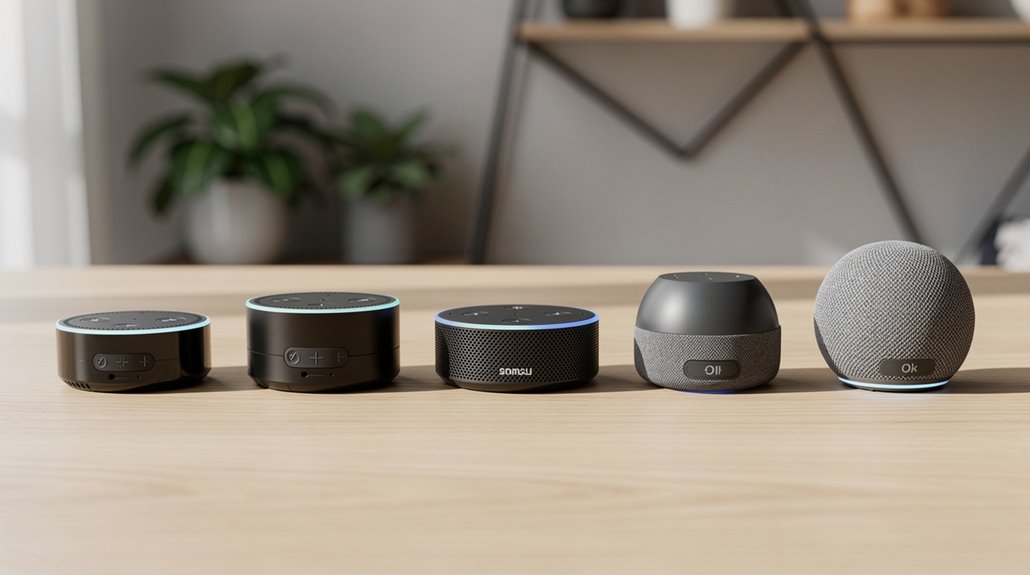
Elsewhere in this carnival of confusion, Echo embodies the tangible but hardly dumb hardware line where Alexa’s ghost in the machine gets a body. Amazon offers a wide range of Echo speakers catering to various prices and use cases, from compact models to larger speakers like the Echo Studio that enhance your music experience, ensuring there’s something for every kind of user within the Echo lineup. The Echo series includes devices suited for small rooms such as the Echo Pop and Echo Dot, making it easy to find the right fit for your space.
Echo sings in many voices—Echo Dot, Pop, Studio—each tailored with varying audio calibers and price tags designed to separate the easily entertained from the audiophilic bourgeoisie. These smart speakers amass microwaves of information via microphones and release Alexa’s responses through woofers and tweeters, because “listening” is expensive when you’re also obliged to sound good.
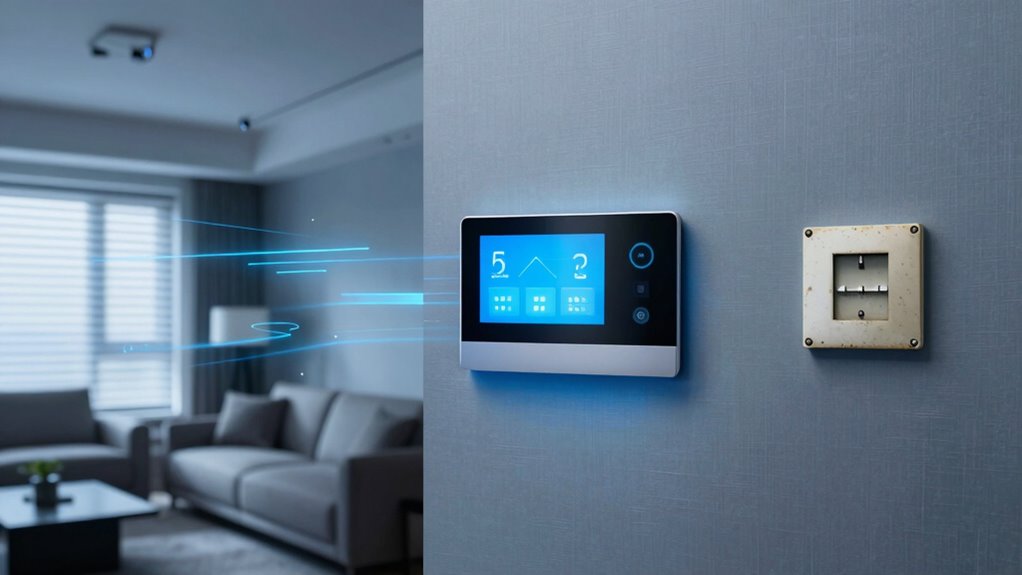
The Echo’s physicality includes smart home hub capabilities that laugh in the face of cloud reliance, boasting Zigbee and Matter protocols to keep the lights on even when Amazon’s server party crashes.
In the domain of wallets, Echo offers stratification worthy of a snooty wine list: the Dot’s affordability invites mass consumer worship, while the Studio flaunts spatial audio—five speakers, no less—for those who believe their digital assistant should double as an audio shrine.
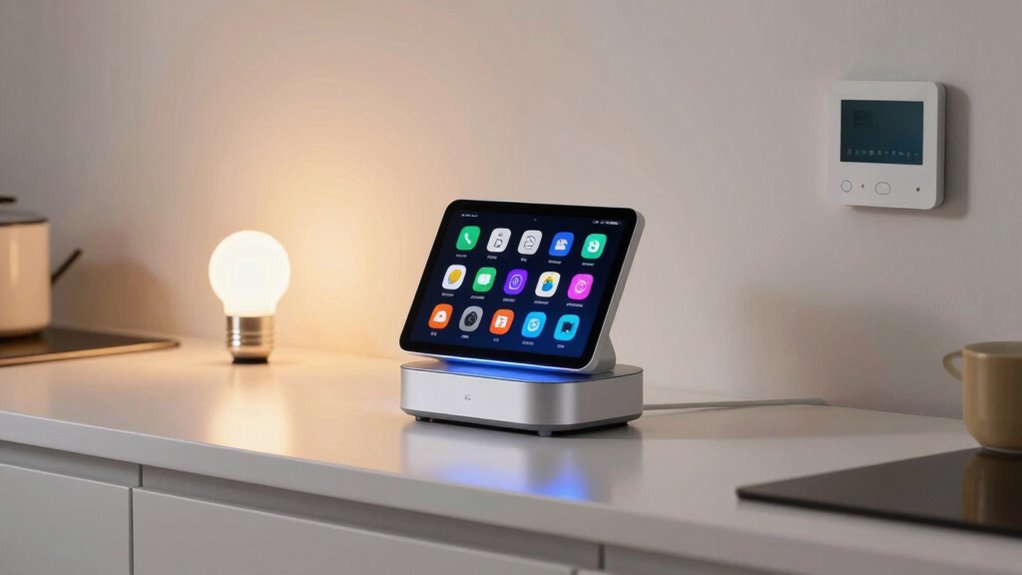
The Show variants complicate this landscape with screens, presumably so users can watch cat videos while barking orders at their silicon slave.
Ultimately, this maddening divide between Alexa and Echo is a masterclass in corporate obfuscation, forcing users to either embrace the cloud-dependent spectral assistant or invest in costly hardware puppets, all while Amazon cashes in on the chaos it spectacularly engineered.
Frequently Asked Questions
Can Alexa Be Used Without an Echo Device?
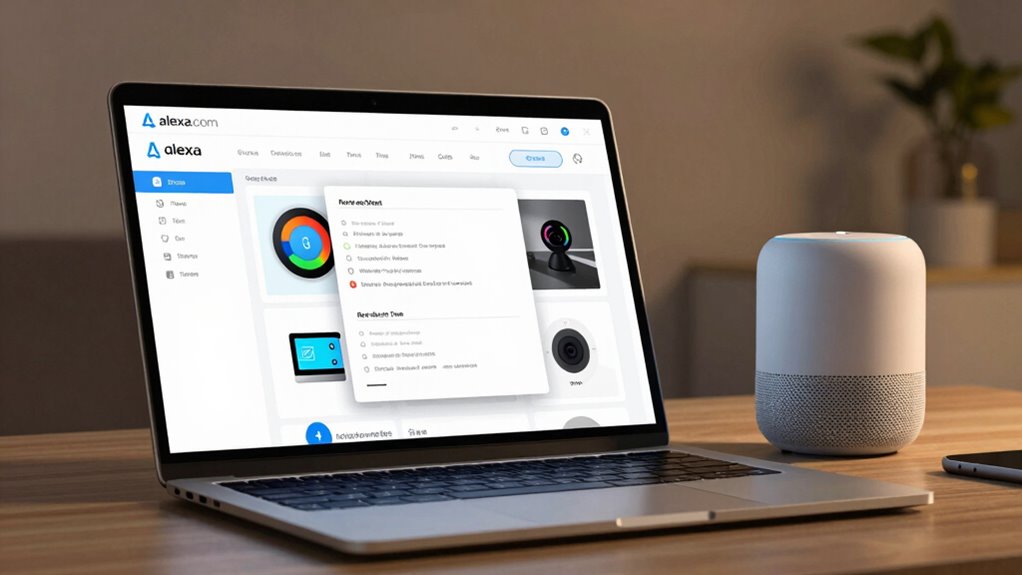
Alexa can be used without an Echo device through the Alexa app available on smartphones. It allows voice control of smart home devices, processing commands via the app without requiring Echo hardware, enabling full functionality independently.
What Privacy Features Does Alexa Offer?
Alexa offers privacy features including a centralized privacy dashboard, options to disable recording storage, manual deletion of voice history, physical microphone mute buttons, and recommendations to regularly review and control data, ensuring user data protection despite cloud-dependent processing.
Are There Other Brands That Use Alexa?
Yes, multiple third-party brands such as Sonos, Bose, Bang & Olufsen, Denon, and Audio Pro integrate Alexa. These manufacturers offer certified devices with Alexa voice control, enhancing diversity and expanding the smart home ecosystem beyond Amazon’s own products.
How Do Software Updates Affect Echo Devices?
Software updates improve Echo devices by enhancing performance, activating new features, and patching security vulnerabilities. They guarantee smooth operation, increase compatibility, and resolve connectivity issues, all through automatic or manual installation processes requiring minimal user intervention.
Can Alexa Connect to Smart Home Devices?
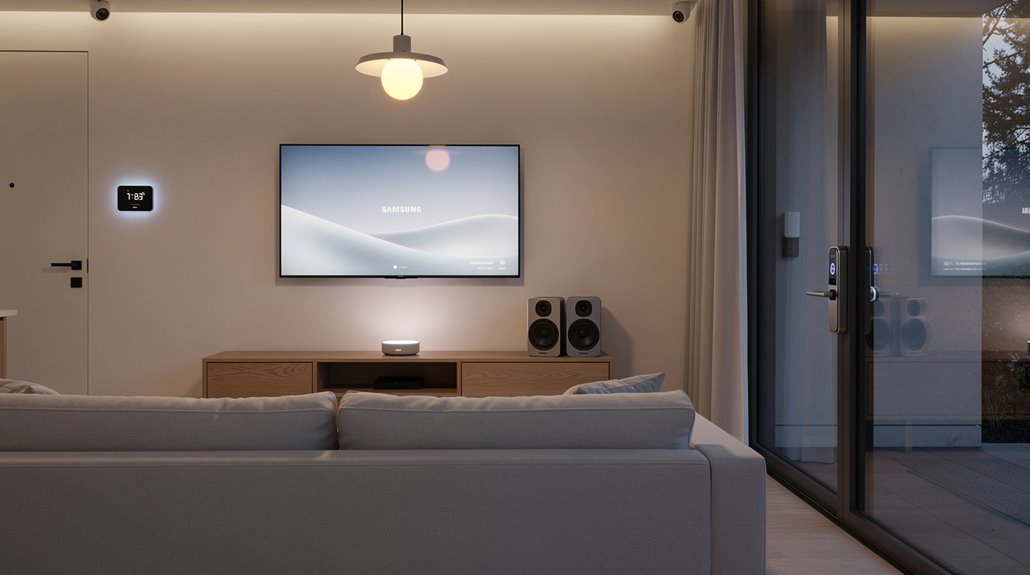
Alexa connects to various smart home devices including lights, thermostats, locks, cameras, and appliances via protocols like Zigbee, Z-Wave, WiFi, and Bluetooth. It integrates with Echo devices, Samsung SmartThings, and supports diverse manufacturers and ecosystems for control.
References
- https://www.pocket-lint.com/amazon-echo-vs-echo-2-vs-echo-plus-vs-echo-tap-vs-echo-dot-vs-echo-show-vs-echo-spot/
- https://www.aboutamazon.com/news/devices/amazon-echo-buying-guide
- https://www.youtube.com/watch?v=w6TXkJeAXZQ
- https://www.youtube.com/watch?v=Y4LvXRi_piA
- https://vocal.media/01/how-to-use-the-alexa-offline-even-echo-isn-t-connected-to-wi-fi
- https://reolink.com/blog/echo-vs-alexa/
- https://www.bestbuy.com/site/questions/amazon-echo-flex-smart-speaker-with-alexa-white/6380475/question/846e8295-2c02-3afc-9817-e48e8f5d8861
- https://www.amazonforum.com/s/question/0D54P00006zSm8KSAS/echo-dot-question-by-clueless-is-it-standalone-or-do-i-need-an-alexa-also?language=en_US
- https://alexa.amazon.com
- https://andersontech.com/alexas-latest-privacy-changes-what-small-businesses-need-to-know/