A handful of tech‑savvy friends have finally found a voice assistant that actually respects privacy, and they’re buzzing about it like it’s the newest meme. They talk about how the open source advantages of the platform let anyone peek under the hood, tweak a line of Python, and feel safe knowing no hidden corporation is listening.
The conversation flows with jokes about “Alexa, stop selling my data,” while they celebrate the customizable features that let them pick their own speech‑to‑text engine, from Google to Mozilla, and even run Whisper locally on a Raspberry Pi.
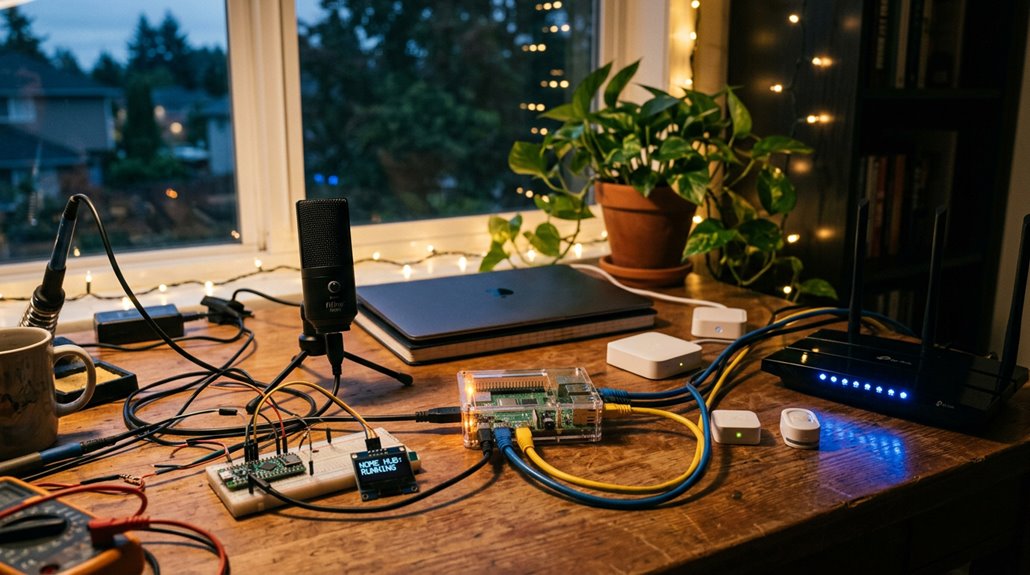
They describe the setup as a weekend project, not a corporate nightmare. A Docker container on a Pi, a couple of MQTT topics, and a whisper‑quiet microphone, and the house is suddenly aware of “turn on the lights” without a single byte ever leaving the LAN.
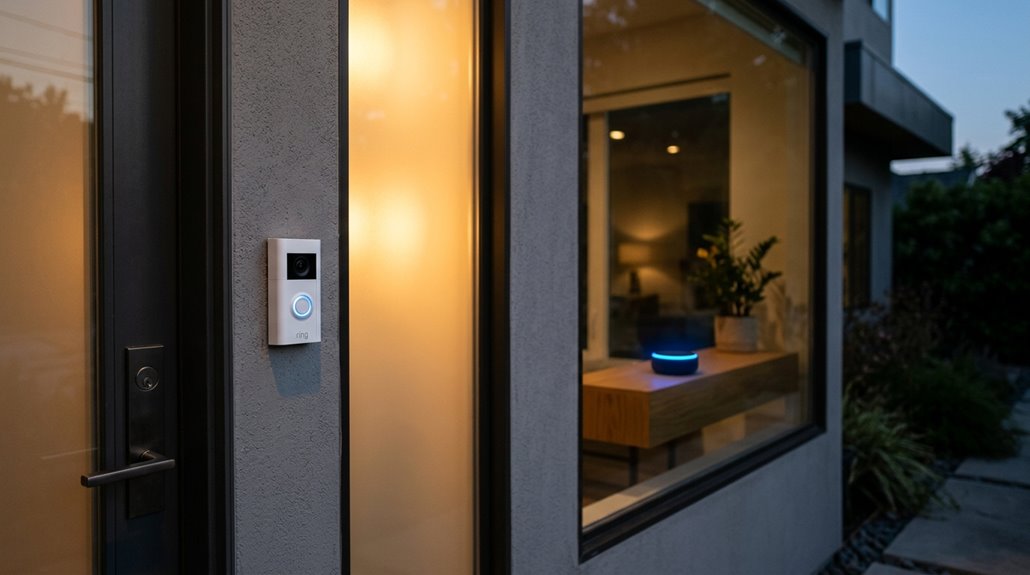
The self‑hosting benefits are clear: firewalls, VLANs, and routing rules keep the attack surface tiny, and the network footprint is so small it could hide behind a houseplant. No mandatory accounts, no trackers, just pure, local‑first processing that makes the friends feel like they’ve reclaimed their own conversations. Unlike commercial alternatives, Alexa Plus features a centralized Privacy Dashboard that still requires users to actively manage their own voice recording retention settings.
One friend jokes that the assistant’s personality can be swapped like a hat, thanks to Piper TTS voices, and the others laugh, imagining a sarcastic robot that says “Sure, I’ll order pizza” in a British accent.
Swappable Piper TTS personalities turn the assistant into a witty, accent‑flexible sidekick that orders pizza with British flair.
They love the ability to train wake words and tune intent recognition, turning the system into a personal sidekick that knows exactly what they want. The community‑built skills feel like a treasure chest, and the open source code invites contributions, turning each user into a mini‑developer.
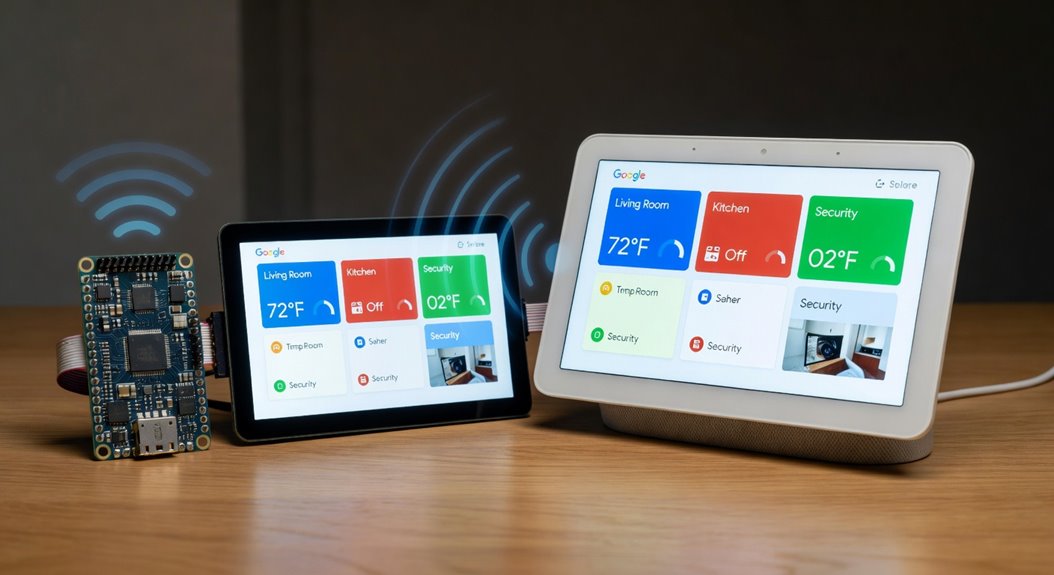
The group also notes the hardware flexibility: a cheap Pi works for basic tasks, while an ODroid H3 handles heavier AI workloads, and even an AIY voice kit can serve as a satellite device.
They appreciate that the system can scale from a single node to a full‑blown smart‑home network, all while staying offline and private.
In the end, the enthusiasm is contagious. They compare the experience to swapping a noisy, nosy neighbor for a quiet, trustworthy friend who never spills secrets.
The humor stays light, the details stay digestible, and the message is clear: a privacy‑first voice assistant isn’t just a tech hobby, it’s a practical, fun, and safe alternative that anyone can build and enjoy. The devices can be turned into surveillance tools at will, so using a local‑first solution eliminates that risk. Self‑hosting adds an extra layer of security.