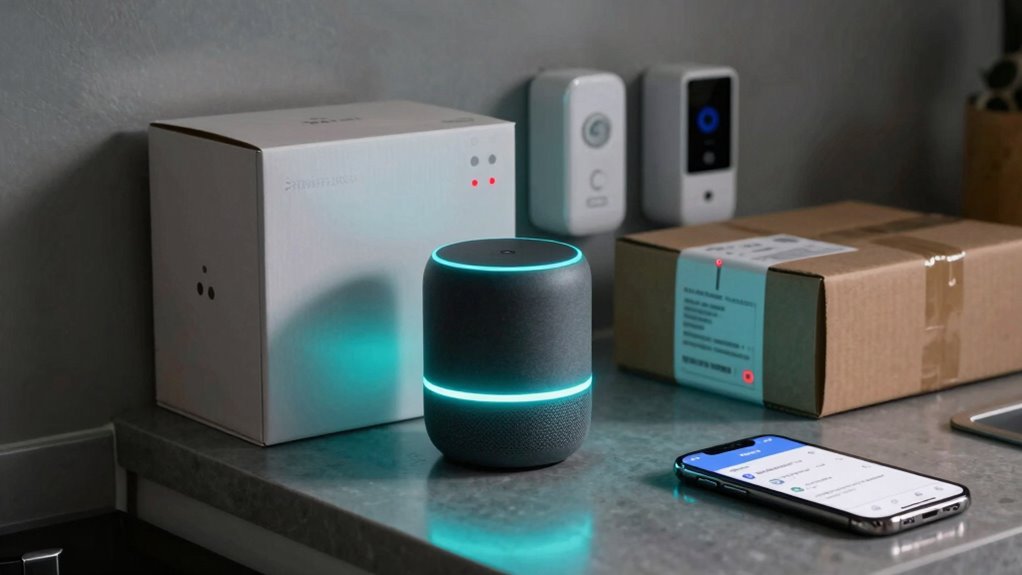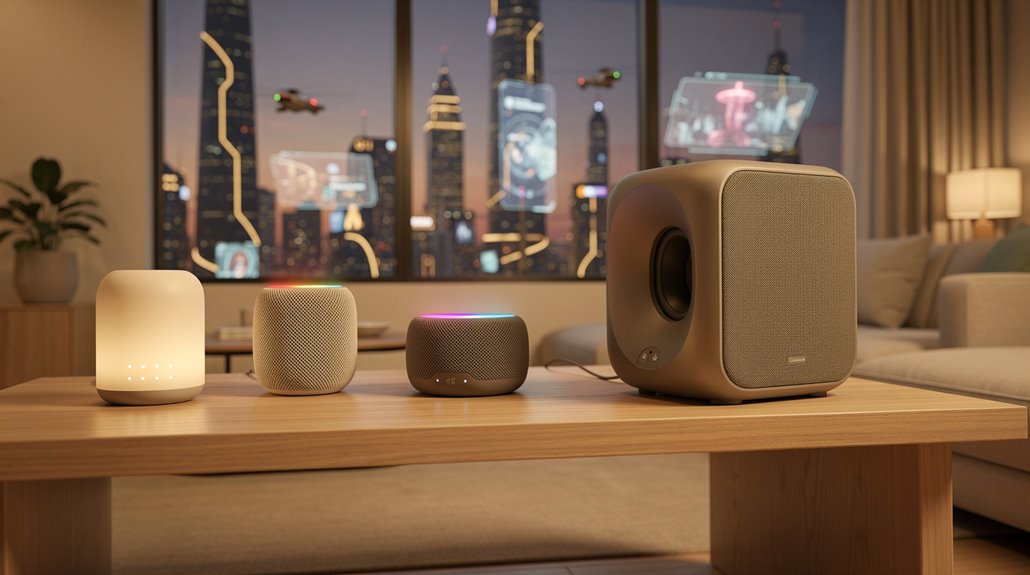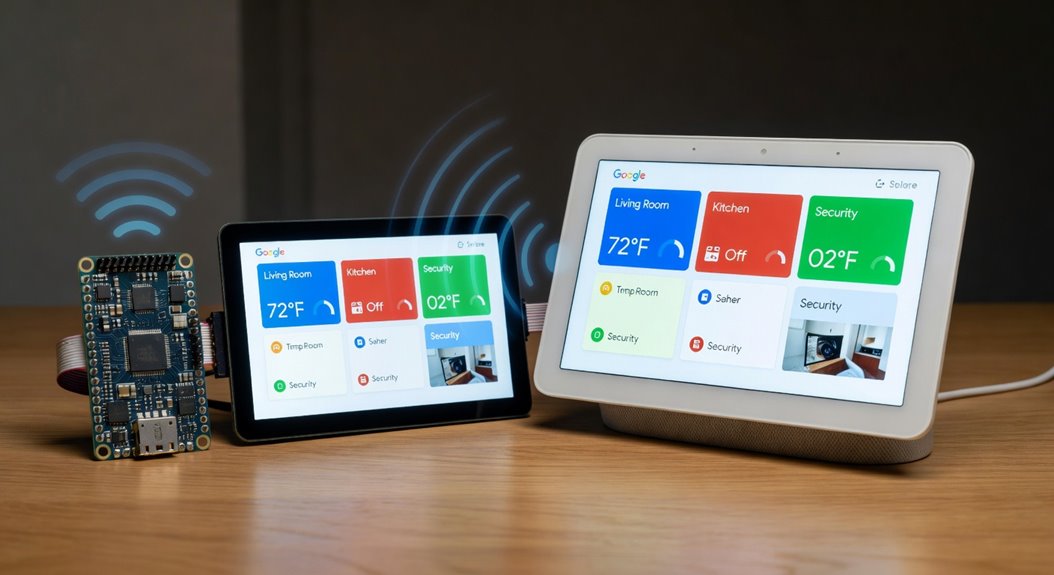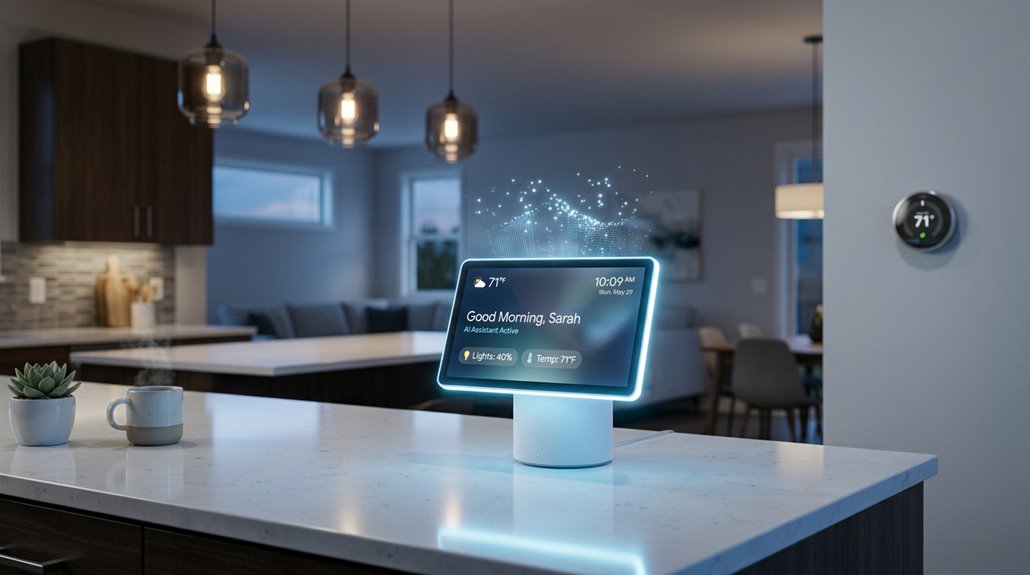

Apple’s Smart Home Takeover is shaping up to be a game‑changer, and the buzz is already louder than a HomePod on full volume. The new 7‑inch HomePodDisplay, slated for early 2024, looks like a sleek tablet that could double as a family photo frame, a kitchen timer, or a weather board. Its bigger screen means more room for widgets, and with Apple Intelligence baked in, the device can actually understand you, not just play your favorite playlist.
Ming‑Chi Kuo’s prediction that Apple will pivot its whole smart‑home strategy isn’t a wild guess; the tighter integration with iPhone, iPad, and Apple Watch already hints at a unified ecosystem where a single tap on the HomePod can dim lights, lock doors, or order groceries.
Behind the hardware, Apple is rolling out homeOS, a dedicated operating system for smart‑home devices. It’s built around the familiar Home app, but now users can customize home screens, pin controls, and even add mini‑apps that show who’s at the door or what the thermostat is doing. This is the first OS designed specifically for smart‑home users, and it feels like a natural evolution of the HomeKit platform.
The design language matches other Apple products, so the HomePodDisplay doesn’t look out of place next to a MacBook or an iPhone, reinforcing the brand’s visual consistency.
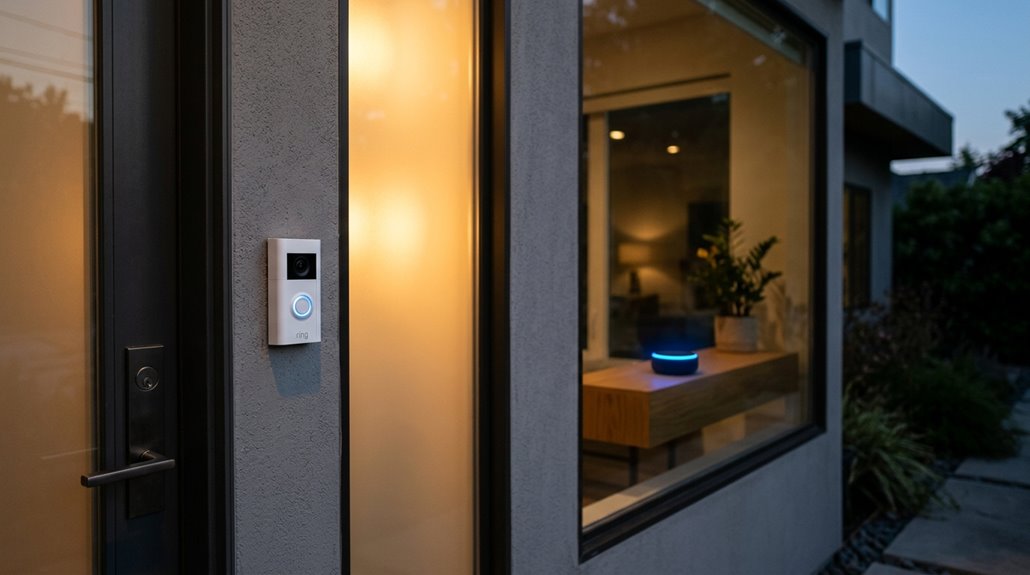
Apple Intelligence integration takes the experience a step further. The AI can recognize voices, interpret gestures, and even suggest actions based on patterns—like reminding you to water the plants after a rainy day. Advanced cameras in the new devices feed visual data to the AI, enabling features such as real‑time facial recognition for personalized greetings or security alerts that are smarter than a simple motion sensor.
The AI‑powered displays reimagine how we interact with our homes, turning walls into interactive canvases that respond to our needs.
The market push is massive. HomeKit is poised to become a serious contender against rivals, especially in Europe and North America where smart‑home adoption is soaring. Apple’s all‑in approach—combining displays, cameras, and AI—creates an ecosystem where each piece fits together like LEGO bricks, making the whole setup feel effortless.
The humor in the rollout is clear: Apple is basically saying, “Why settle for a speaker when you can have a mini‑computer that talks back?” This bold move could reshape the industry, and the excitement among tech fans is palpable, as they imagine a future where the living room is as smart as the phone in their pocket. 120.5 million smart homes were reported in Europe and North America as of 2022. tabletop devices are expected to launch in spring 2025.
References
- https://www.youtube.com/watch?v=XztB4UXRpVY
- https://www.youtube.com/watch?v=EuyTN63pMQE
- https://smarthomesschool.com/revolutionizing-your-home-apples-new-homepod-smart-homes-take-over-and-the-end-of-neato-robotics-d-shaped-robot-vacuums/
- https://www.hardwarezone.com.sg/lifestyle/home/tech-news-apples-upcoming-smart-home-devices-run-new-os
- https://www.oligo.security/blog/airborne