
Roberts Wesleyan University’s Northeastern Seminary has secured a $1 million grant from Lilly Endowment Inc. through the Pathways for Tomorrow Initiative 2025 to implement a holistic integration of virtual reality, artificial intelligence, and immersive technologies into its theological education programs.
The seminary was selected among 58 theological schools across North America in the latest funding round, positioning the institution at the forefront of technology-enhanced ministry preparation.
The funded project, titled “Immersive Formation: Equipping for the Future,” focuses specifically on advancing virtual reality, artificial intelligence, and immersive tools within theological education frameworks, with particular emphasis on strengthening the bridge between academic learning and practical ministry application in ecclesiastical and community contexts.
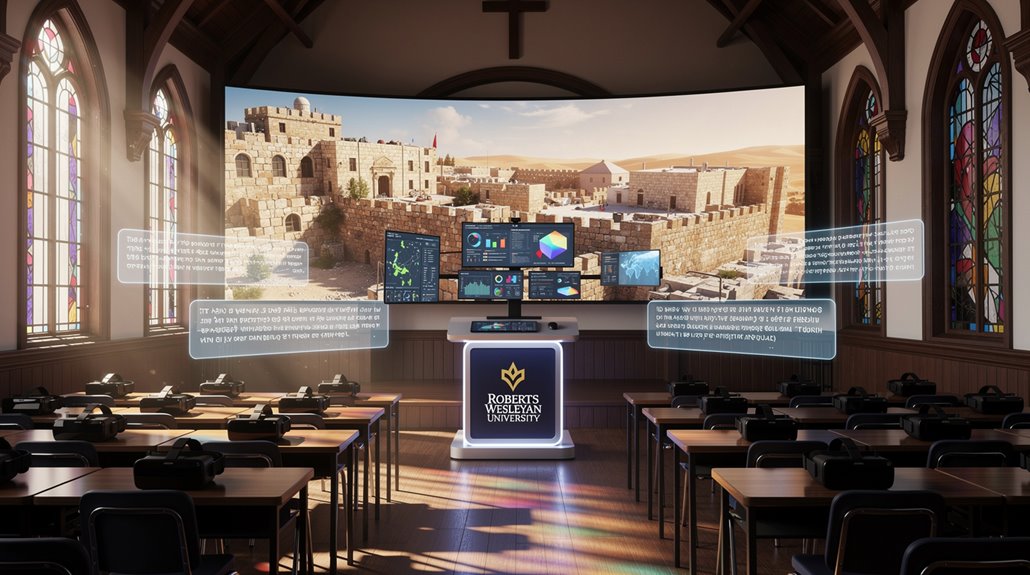
The initiative will expand and enhance Northeastern Seminary’s online programs through integrated deployment of VR, 360° video, and AI technologies designed to create multisensory learning environments for robust ministry preparation.
Students will engage with biblical content through immersive experiences including virtual walks through historical Bible sites, participation in three-dimensional virtual classrooms, and practice-based ministry simulations that replicate real-world pastoral scenarios.
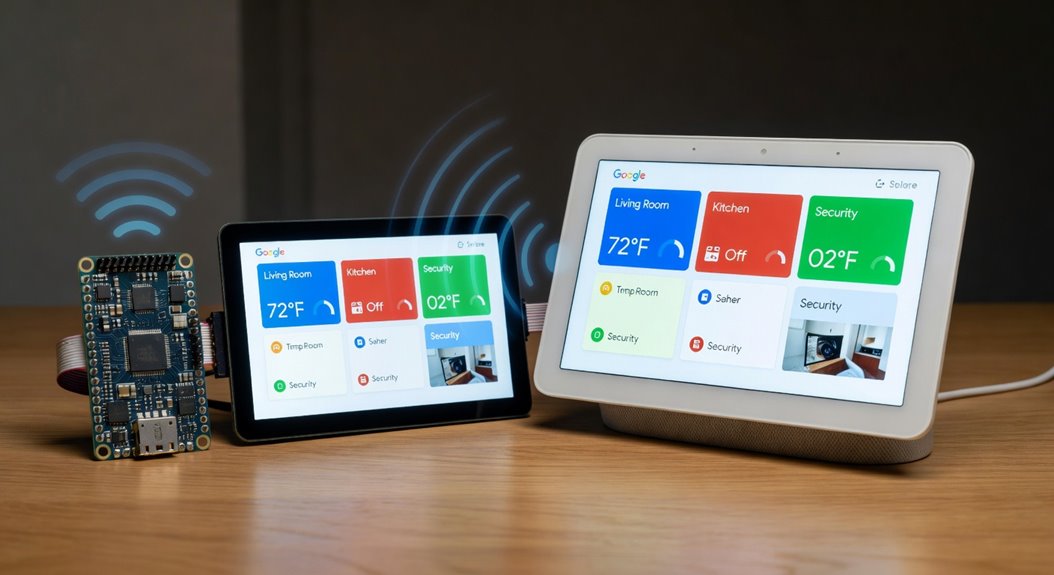
AI technologies will provide instructional support, enable formative assessment protocols, and facilitate personalized learning pathways tailored to individual student competencies and developmental needs throughout online theological coursework. This approach mirrors the generative AI capabilities seen in modern smart assistants that adapt to user preferences and provide personalized experiences.
The grant supports a thorough redesign of Northeastern Seminary’s online learning infrastructure, prioritizing improvements in instructional design and delivery methodologies to guarantee consistent, high-quality learning outcomes across diverse student populations.
This redesigned digital ecosystem will expand field education supports and align online coursework directly with ministry competencies through interactive case studies, collaborative environments, and simulation-based learning experiences.
The initiative addresses formation goals in three mission-aligned domains: deep theological understanding, vibrant spiritual development, and effective ministry preparation for contemporary contexts.
Northeastern Seminary is partnering with CampusXR to implement these technological solutions, creating immersive environments intended to foster deeper connections among students, faculty, and the broader faith community while preparing Christ-centered leaders equipped with both theoretical knowledge and practical ministry skills for service in churches and communities. The seminary will also collaborate with the Leadership Center to reimagine field education placements as part of the comprehensive initiative. Seminary leadership plans to establish role-specific training paths for worship leaders, education coordinators, administrative staff, and care team members participating in the technology integration.
References
- https://rbj.net/2025/12/08/roberts-wesleyan-northeastern-seminary-1m-grant-virtual-reality-ai/
- https://andrewconard.com/2025/10/28/building-your-ai-ministry-team-from-individual-to-congregation/
- https://www.wesleyan.org/ecd/ministry-training-programs
- https://www.roberts.edu/lp/ai-lab/
- https://www.nes.edu/about/grants/northeastern-seminary-digital-innovation-project/
- https://www.roberts.edu/all-programs/traditional-undergraduate/ministry-ba/
- https://www.roberts.edu/all-programs/seminary/
- https://rbj.net/2025/12/08/leadership-rochester-spotlight-orlando-ortiz/
- https://www.roberts.edu/catalog/course-descriptions?curriculum=GMIN