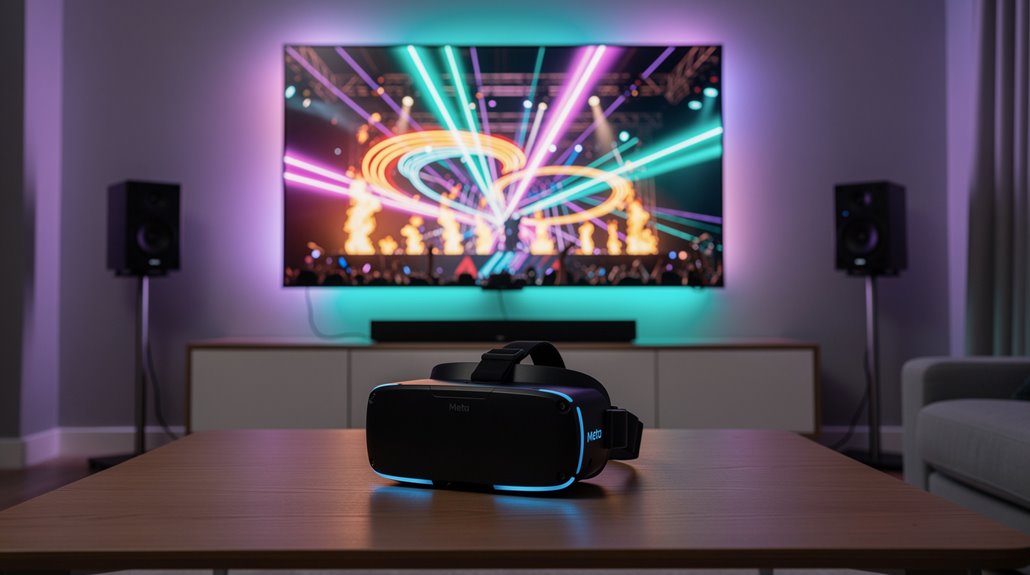
While the rest of humanity grapples with actual problems—climate catastrophe, wealth inequality, the slow death of democracy—AmazeVR has heroically solved the crisis you didn’t know existed: the devastating inability to watch Zara Larsson sing “Lush Life” while CGI flames dance around your head.
The Los Angeles-based company, apparently flush with venture capital and bereft of shame, has released its virtual reality concert platform upon an unsuspecting world, because what civilization desperately needed was another way to avoid human contact while pretending to have experiences.
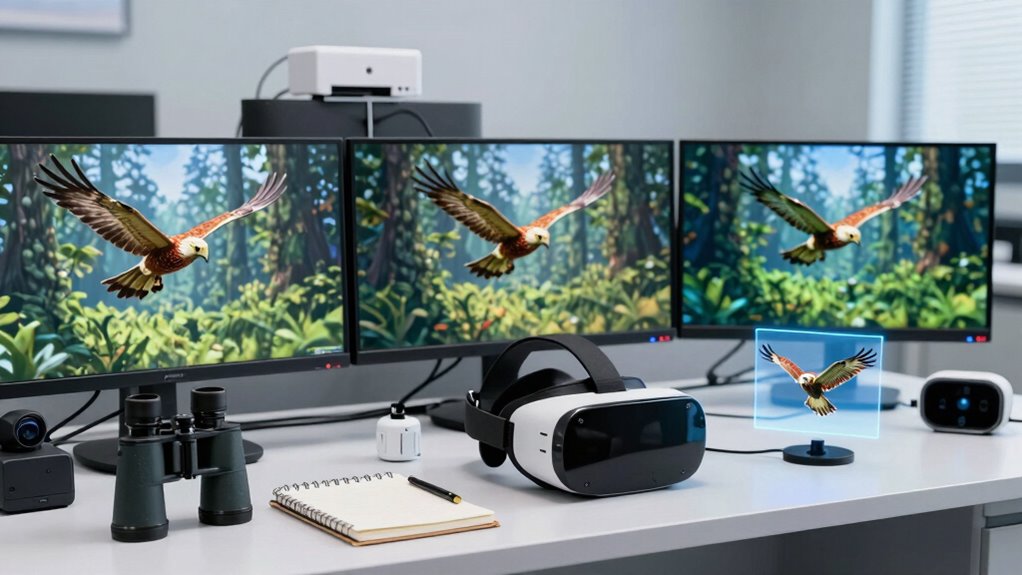
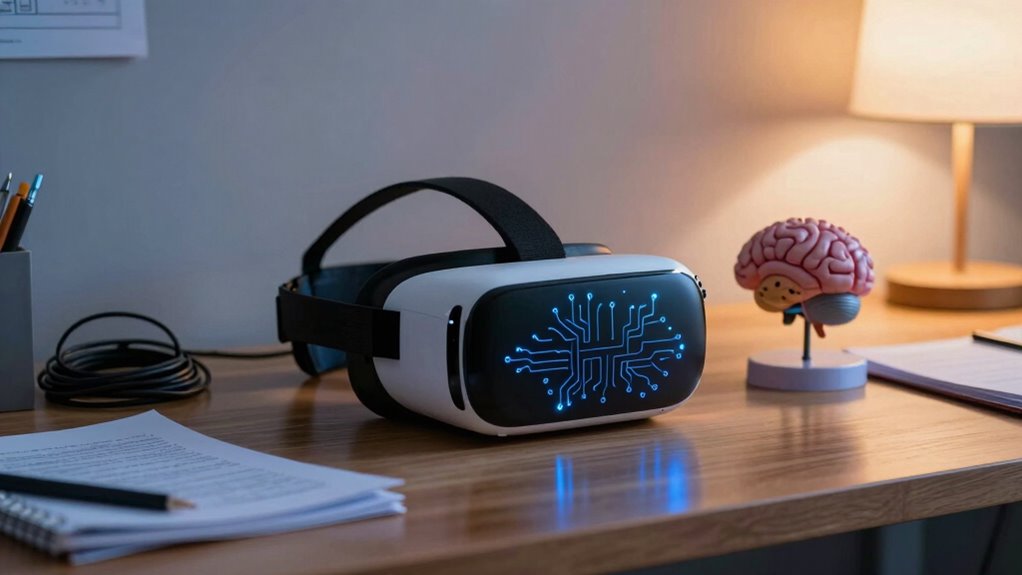
For the bargain price of $6.99, you can strap a Meta headset to your face and experience fifteen minutes and thirty-five seconds of Swedish pop mediocrity rendered in 180-degree stereo capture.
The technological achievement is genuinely impressive—proprietary Unreal Engine pipelines, real-time rendering synchronized to music rhythms, lighting effects that would make a rave promoter weep with envy. AmazeVR has marshaled considerable engineering talent to guarantee Larsson appears to perform directly before you, accompanied by dancers and environmental effects including lasers and flames, all while you stand motionless in your living room wearing a plastic box that costs more than most people’s monthly grocery budget.
The platform launched July 14, 2023, offering five songs with “Symphony” available free, because nothing screams artistic integrity like the freemium model that destroyed gaming.
Previous collaborations include Megan Thee Stallion‘s “Enter Thee Hottieverse,” a title suggesting either corporate nomenclature committees have achieved sentience or humanity has simply given up.
The app distributes across commercial VR stores globally, democratizing access to simulated intimacy for anyone with disposable income and a tolerance for motion sickness. This digital intimacy promises to connect fans with artists by breaking through traditional barriers, as if physical presence and shared air were merely inconvenient obstacles rather than the essence of live performance. The company spent years of development perfecting these immersive solutions, time that could have been devoted to solving problems that actually matter.
AmazeVR proudly touts three-degree-of-freedom viewing, which sounds revolutionary until you realize it means you can rotate your head but not move, fundamentally replicating the experience of being trapped in economy seating.
The company maintains a calendar of upcoming concerts across multiple genres, transforming artists into content units while generating new revenue streams. By 2030, these virtual experiences will likely share your living room with the 3-7 specialized robots that early adopter households are predicted to own.
Meanwhile, actual concert venues struggle to survive, musicians earn poverty wages from streaming, and we collectively pretend that technological innovation constitutes cultural progress.
References
- https://www.prnewswire.com/news-releases/amazevr-launches-vr-app-with-an-exclusive-concert-from-global-superstar-zara-larsson-301877270.html
- https://arpost.co/2023/07/24/amazevr-concerts-app-zara-larsson-concert/
- https://skarredghost.com/2023/07/17/amazevr-concerts-larsson-review/
- https://www.amazevr.com/artists/zaralarsson
- https://www.thevrcritic.com/reviews/zara-larsson-concert/
- https://fm106.iheart.com/featured/iheartradio-live/content/2025-12-01-zara-larsson-to-bring-her-music-to-life-with-immersive-virtual-reality-show/
- https://www.youtube.com/watch?v=MIZKqn5frLk