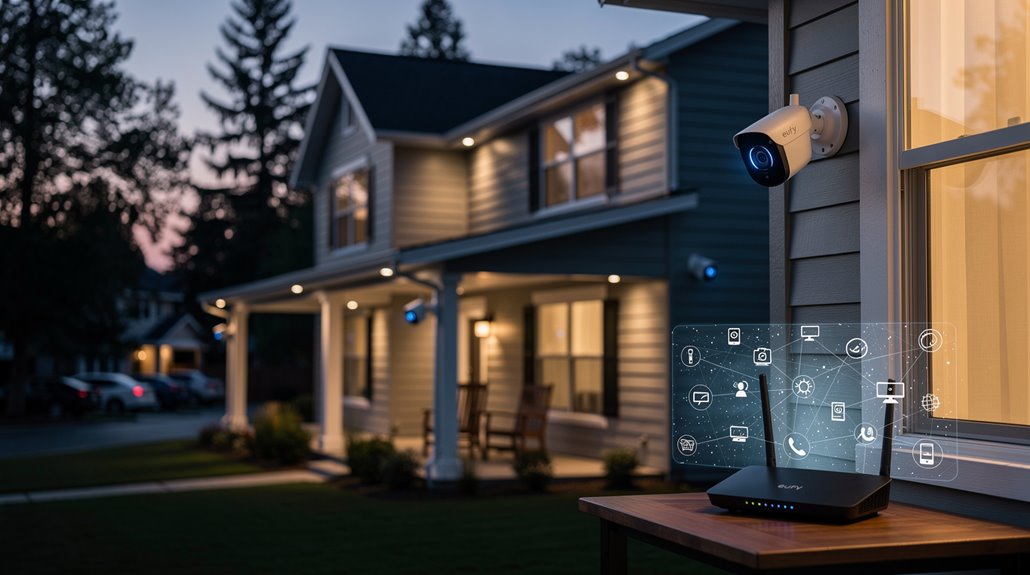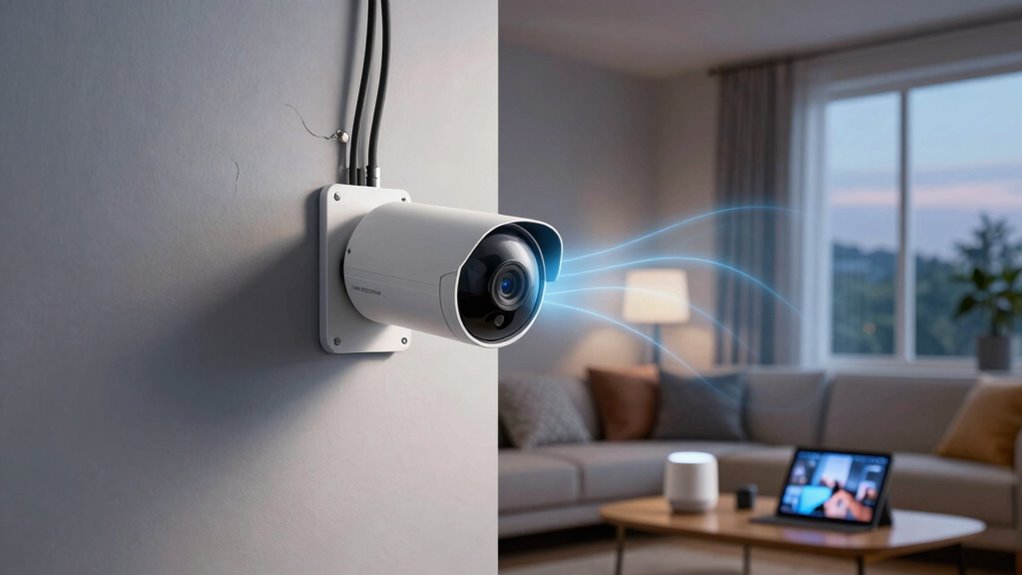
Gone are the days of tripping over cords or playing detective with tangled wires—welcome to the wild world of Wi-Fi network cameras, where spying on your dog’s mischief or checking if the front door’s locked takes about as much effort as scrolling through cat memes.
The Wi-Fi network cameras market is absolutely exploding, with numbers that’ll make your smart thermostat sweat: valued at $26.57 billion in 2024, it’s racing toward $58.89 billion by 2032, growing at a sizzling 12.3% CAGR. And get this—the smart home security camera subset? Rocketing to $56.47 billion by 2033, fueled by a jaw-dropping 23.3% annual growth rate. Clearly, folks aren’t just buying cameras, they’re buying peace of mind, one wireless install at a time. [This surge aligns with a broader (14.20% CAGR projected) for the global wireless network camera market from 2023 to 2030, reinforcing the rapid pace of adoption.]
Market trends show a massive shift from bulky wired systems to sleek, easy-to-install Wi-Fi models, and consumer preferences are sprinting in the same direction. No surprise, really—why drill holes and wrestle cables when you can slap a camera on the wall and connect it in seconds? Homeowners love the freedom, especially with high-speed internet and fiber optic broadband making lag-free streaming a breeze. Thanks to advancements in video resolution and cloud storage, features like continuous cloud recording and HD streaming are now standard, even in budget models.
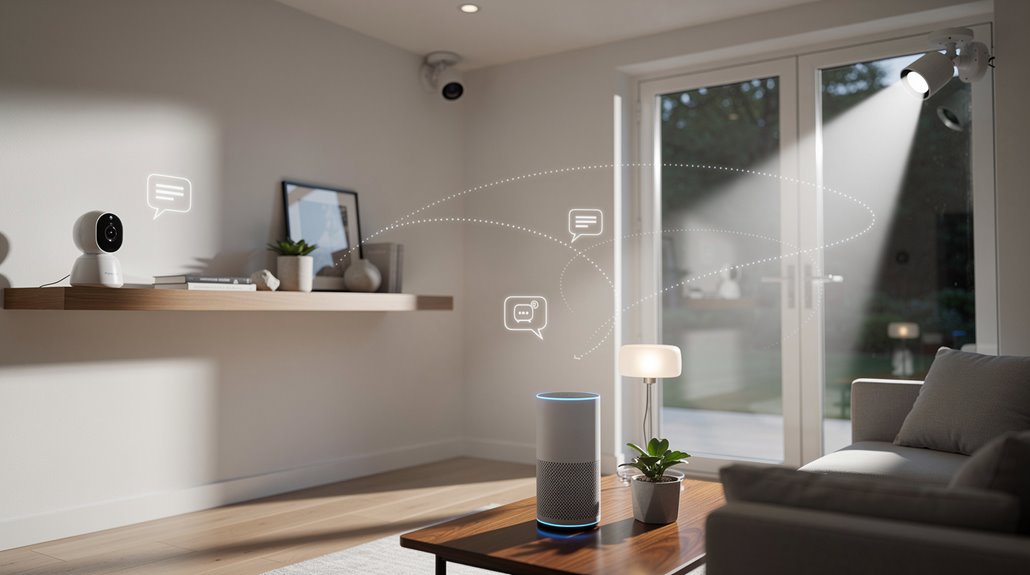
Plus, AI-powered cameras now spot suspicious patterns, send smart alerts, and even chat with Alexa or Google Home. “Hey Google, show me the backyard,” and boom—there’s Mr. Squirrel trying to steal your birdseed again. Many budget-friendly options from brands like Blink and Eufy offer local storage options to avoid recurring cloud subscription fees while still providing robust security features.
AI-powered cameras don’t just watch—they think, alert, and obey: “Hey Google, show me the backyard,” and boom, there’s Mr. Squirrel up to mischief again.
North America leads the pack, snagging 40% of global wireless camera revenue, while Europe and Asia Pacific surge close behind. And it’s not just homes—cellular-powered cameras are rising fast, especially in remote areas where Wi-Fi fades like a bad phone signal.
With 5G rolling out and brands like Canon holding steady at 9% market share, competition is fierce. D-Link’s latest 2K pan-and-tilt models? Just one sign that innovation isn’t slowing down.
From dog-watching to crime prevention, these little digital eyes are everywhere. As consumer preferences lean into smart, seamless ecosystems, market trends confirm one thing: the future of home security is wireless, it’s smart, and it’s already live-streaming.
References
- https://www.cognitivemarketresearch.com/wireless-network-camera-market-report
- https://www.intelmarketresearch.com/wifi-cameras-market-14490
- https://www.gminsights.com/industry-analysis/wireless-home-security-camera-market
- https://www.grandviewresearch.com/industry-analysis/smart-home-security-camera-market
- https://www.archivemarketresearch.com/reports/wifi-network-cameras-246501
- https://www.thebusinessresearchcompany.com/report/wireless-security-cameras-global-market-report
- https://dataintelo.com/report/global-wifi-security-camera-market
- https://scoop.market.us/ip-camera-statistics/