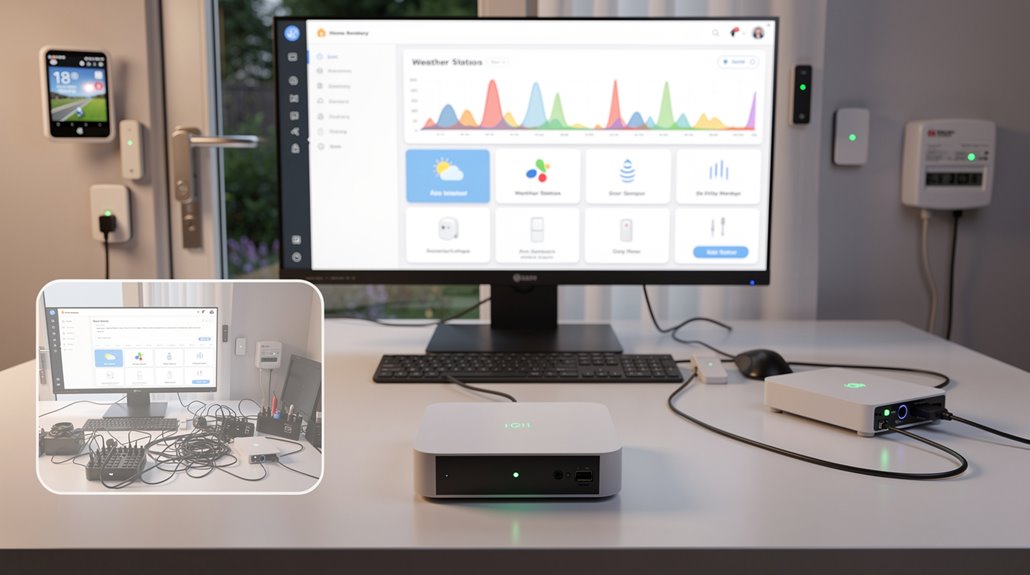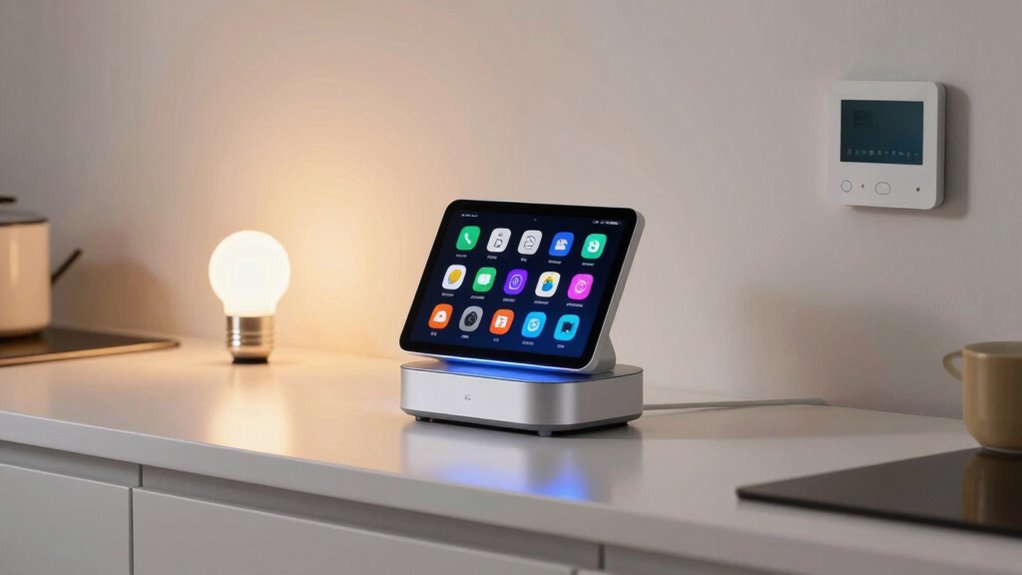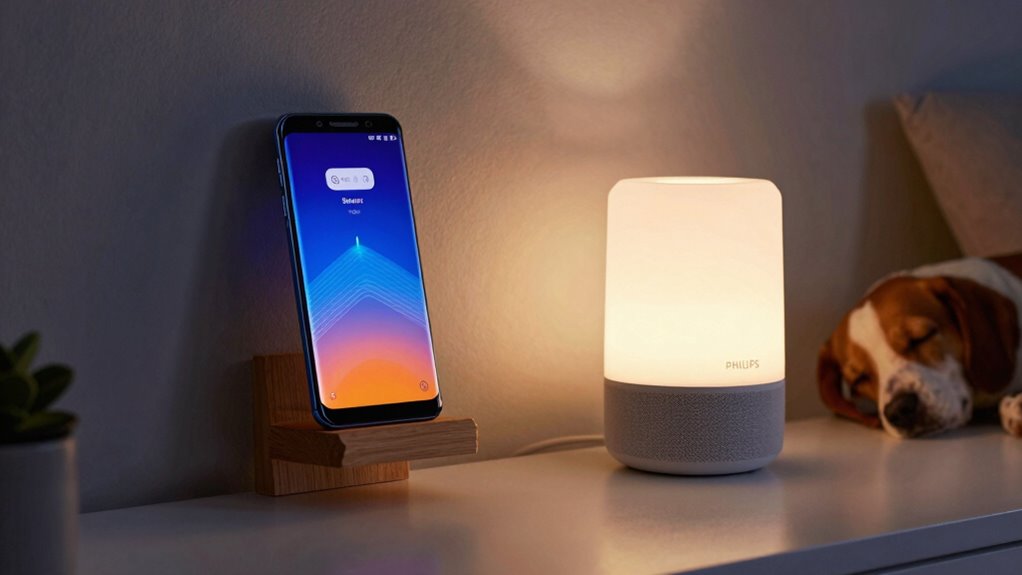
Overview of Galaxy Upcycling as Smart Sensor Technology. The Galaxy Upcycle initiative repurposes legacy Samsung Galaxy smartphones, specifically models such as the Galaxy S9, Galaxy Note9, and newer devices from 2018 onwards, transforming them into functional SmartThings light and sound sensors by leveraging their inherent hardware capabilities. These devices operate independently as standalone sensor nodes once configured via the SmartThings app and the latest software updates, while a primary smartphone running the SmartThings platform manages control, monitoring, and automation processes. To maintain consistent functionality, continuous connection to power is advised, with charging intentionally capped near 35% to mitigate battery degradation risks during prolonged sensor operation. Moreover, users must install the Galaxy Upcycle app via the Galaxy Store after scanning a QR code to initiate setup on the old phone, ensuring compatibility and full feature access through the Galaxy Upcycle app. This initiative aims to reduce electronic waste and promote sustainability by giving old devices a new purpose as smart home sensors.
Samsung Galaxy upcycles older smartphones into autonomous SmartThings sensors for light and sound monitoring.
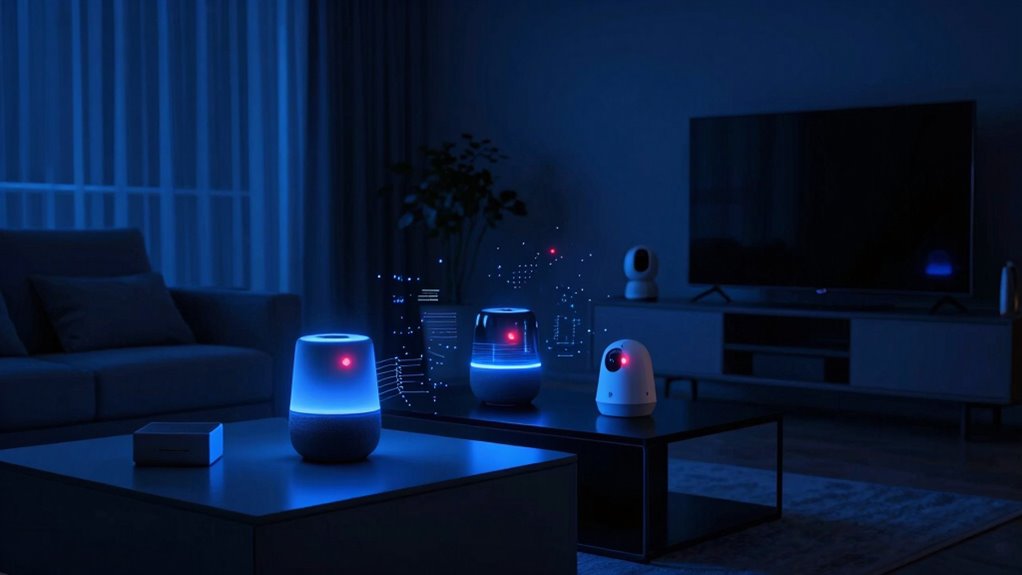
Sound-detection functionality of the upcycled phones employs the internal microphones coupled with onboard processing algorithms to identify predefined acoustic events. Recognizable sounds include baby cries, dog barks, cat meows, glass breaking, and door knocks, supplemented in certain configurations by sirens, finger snaps, and snoring. Upon detection, these sound events trigger instantaneous alerts and notifications on the primary smartphone, which can include recorded audio clips to facilitate verification. Such audio-triggered inputs enable automated control over connected smart home apparatuses, including lighting, security cameras, and sirens, enhancing security monitoring and enabling cost-effective implementation of baby or pet monitoring systems.
The light sensing component of an upcycled Galaxy phone utilizes the built-in ambient light sensor to quantitate room luminance on a standardized scale ranging from 1 to 7. This quantification supports execution of automated lighting adjustments, activating illumination in low-light conditions or modulating brightness levels to conserve energy and improve user comfort. Additionally, these light measurements can recalibrate displays or televisions and interact with preset scenes incorporating temporal or conditional parameters, thereby improving overall ambient responsiveness and habitation ergonomics. The local-first architecture of Matter makes these repurposed devices even more valuable, as they can operate without requiring constant cloud connectivity for essential functions.
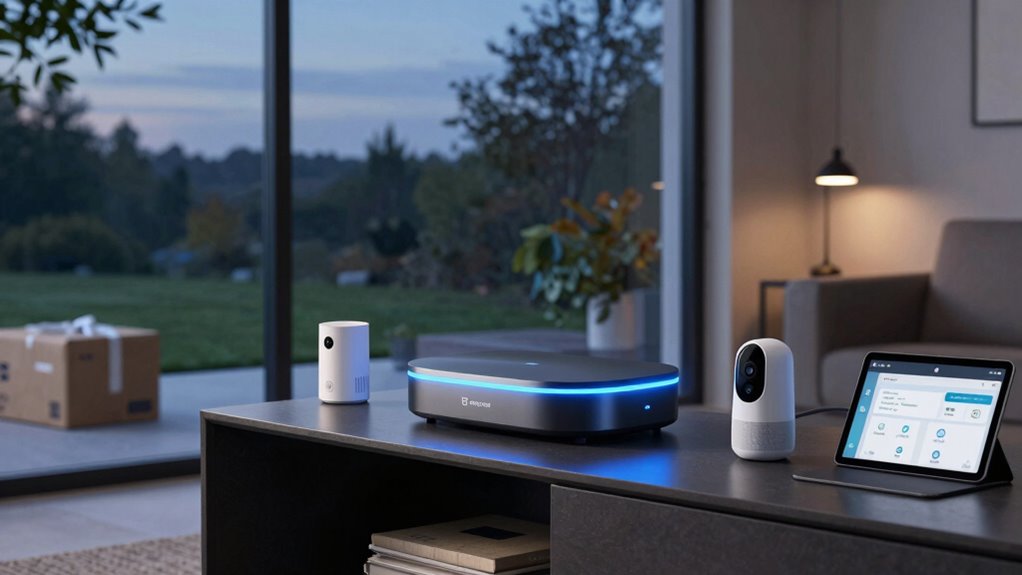
Further integration within the SmartThings ecosystem includes utilizing smartphones as presence sensors based on geolocation, while the repurposed devices add granular environmental context by monitoring sound and light conditions in specific locales. This integration permits cohesive operation within the SmartThings Home Monitor framework, amalgamating data streams from multiple sensor types, such as cameras and motion detectors, into unified security and automation dashboards, thereby extending the functional lifespan and utility of aging Galaxy hardware within modern smart home infrastructures.
References
- https://www.androidcentral.com/how-turn-your-old-samsung-phone-smart-home-sensor-through-smartthings
- https://www.youtube.com/watch?v=FMBs6v226x0
- https://blog.smartthings.com/smartthings-updates/repurpose-legacy-galaxy-smartphones-into-smart-home-devices/
- https://www.samsung.com/us/support/owners/app/smartthings/
- https://www.youtube.com/watch?v=aE0A2jKWf9k
- https://www.samsung.com/us/smartthings/
- https://www.samsung.com/us/apps/smartthings/
- https://www.howtogeek.com/samsung-galaxy-phone-smart-home-sensor/
- https://www.samsung.com/us/smart-home/smartthings/sensors/samsung-smartthings-multipurpose-sensor-f-mlt-us-2/