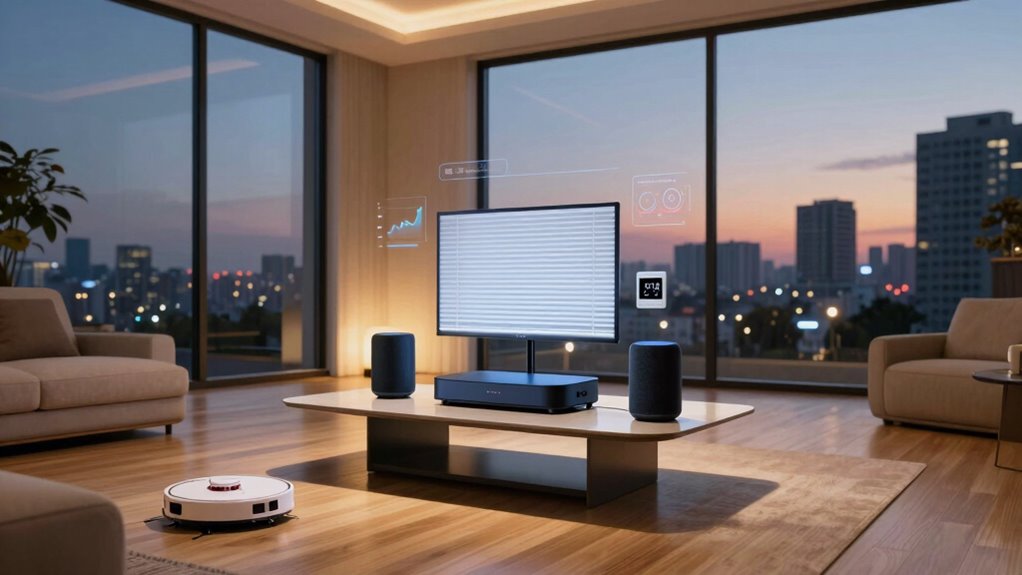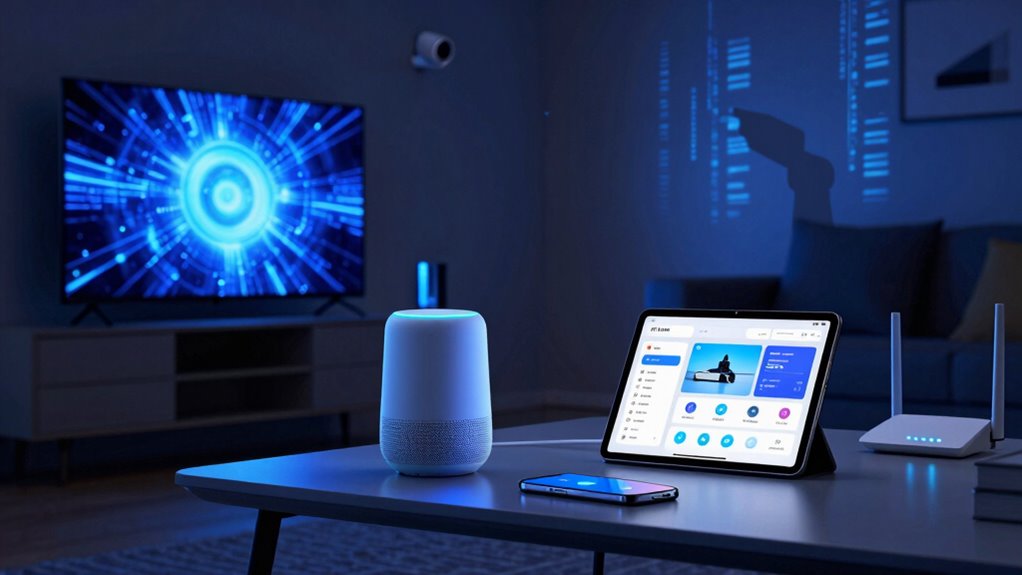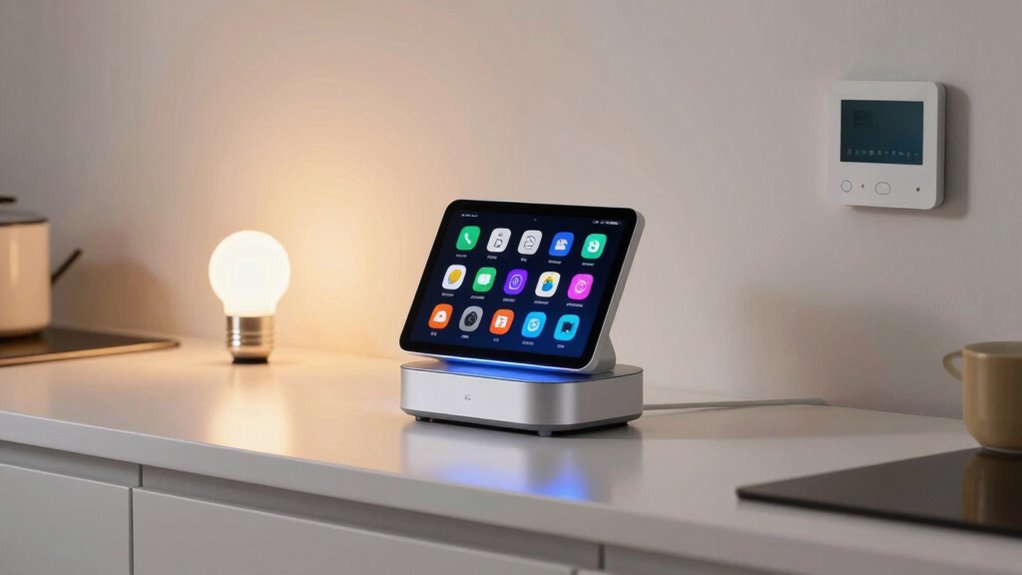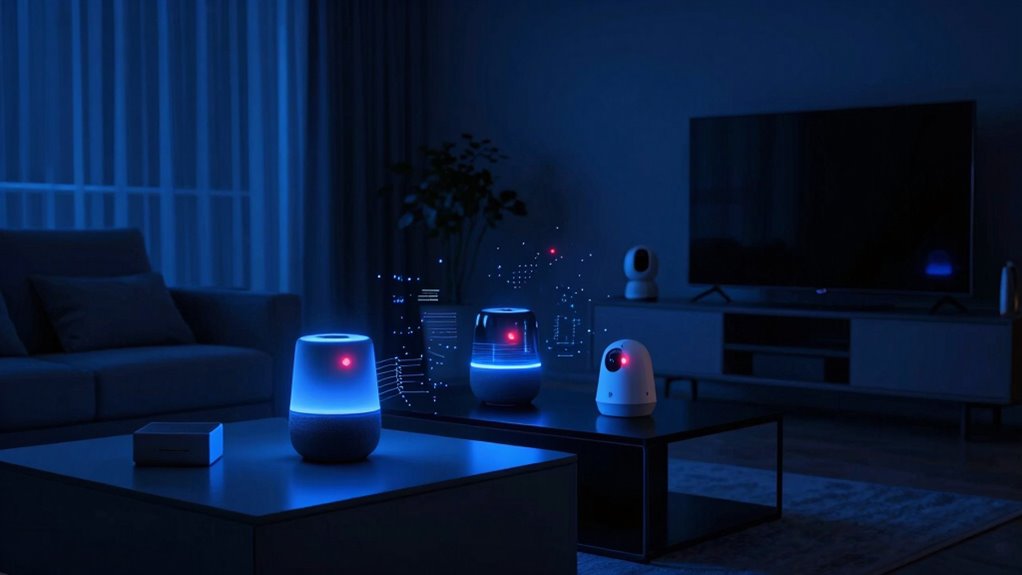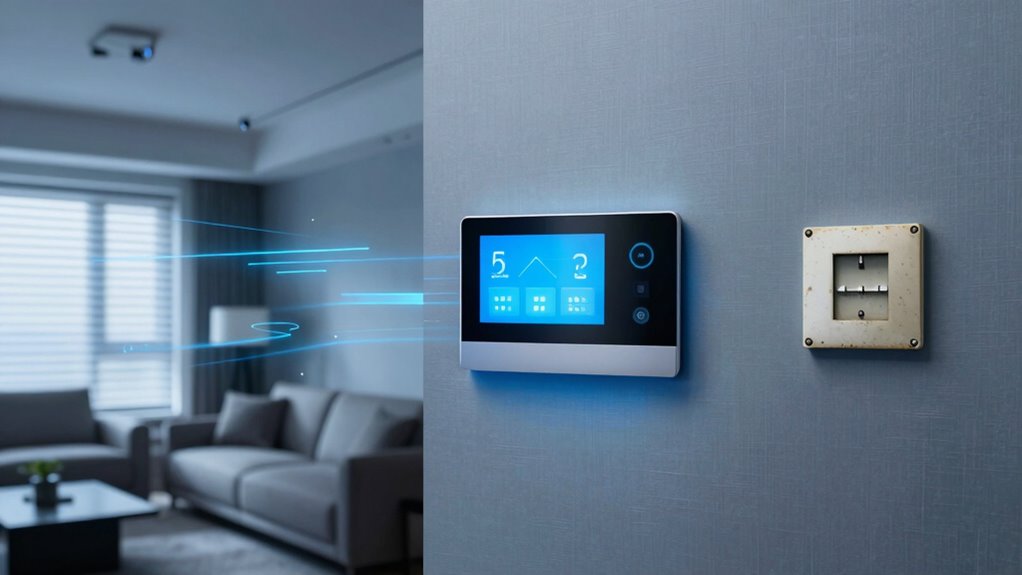
Smart homes have come a long way, and the difference between traditional setups and AI-powered ones is more than just fancy gadgets; it’s about how much thought they give to your daily rhythms. Think of traditional systems as reliable old friends who know how to flip a switch and keep lights on, but they don’t quite get the vibe of your day. They run on rule-based automation and scheduled operations, which sounds neat until your schedule changes and the whole plan falls apart.
These traditional systems come with lower upfront costs, and they shine in straightforward tasks like lighting control, temperature regulation, and simple security monitoring. Yet they demand manual intervention when things get tricky, which can feel like babysitting your own home.
On the other side, AI-powered enhancements bring a different kind of magic. They use machine learning, natural language processing, and predictive analytics to act with less prompting. They learn your routines, anticipate needs, and enable proactive decisions through adaptive learning.
They learn routines, anticipate needs, and enable proactive decisions through adaptive learning.
It’s like having a smart assistant who actually remembers your preferences instead of guessing from a single button press. These systems can integrate with platforms like DuerOS, supporting hundreds of smart home brands, which makes life feel less chaotic and more coordinated. They centralize processing in the cloud, trimming the need for heavy edge hardware and letting your devices talk more smoothly.
The payoff shows in energy use: AI systems reduce household energy consumption by 15-25% thanks to smarter occupancy sensing, weather adjustments, and lighting optimization.
Cost-wise, traditional IoT wins on day one with lower upfront costs, but AI setups prove their worth over time through energy savings and automation. Hybrid models blend lightweight IoT data with AI decisions, offering a balanced approach.
Security features also shift: AI-enhanced systems bring facial recognition, real-time alerts, and smarter monitoring, while traditional homes rely on separate investments for comparable coverage. Platforms like Alexa further extend this security reach, allowing homeowners to arm systems like SimpliSafe via voice commands without lifting a finger.
In the end, the market trends point toward AI-driven personalization and self-repairing features. It’s easy to see why many people are leaning into AI-IoT hybrids; they keep comfort high and surprises low, which, honestly, feels like the future knocking at your door with a friendly, robotic wink.
References
- https://eureka.patsnap.com/report-ai-vs-iot-in-smart-home-automation-cost-effectiveness
- https://www.mtmccaw.com/post/ai-smart-homes-how-technology-is-changing-home-remodeling
- https://andamanassetsolution.com/smart-home/smart-homes-vs-traditional-homes/
- https://www.knx.org/knx-en/newsroom/news/news/20250506-Smart-devices-vs.-AI-powered-devices-Is-there-a-difference/
- https://cedia.org/homeowners/knowledge/smart-homes-vs-home-automation/
- https://hellooval.com/blogs/articles/smart-home-vs-home-automation
- https://www.youtube.com/shorts/0Q2Kkxs-8Xs
- https://www.homeinnovation.com/insights/trends_data/ai-vs-traditional-surveys-what-are-the-most-popular-home-architectural-styles/45762