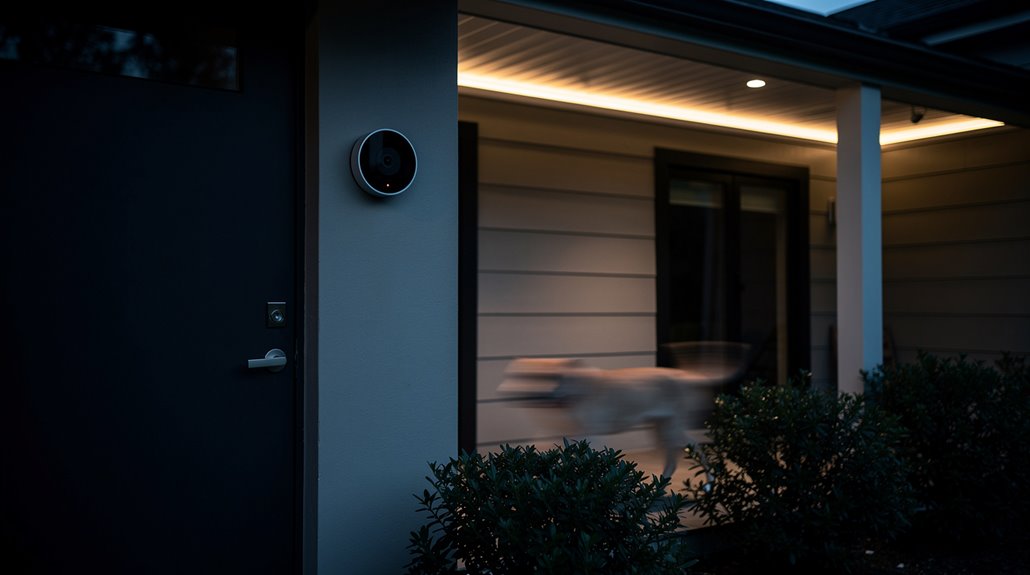
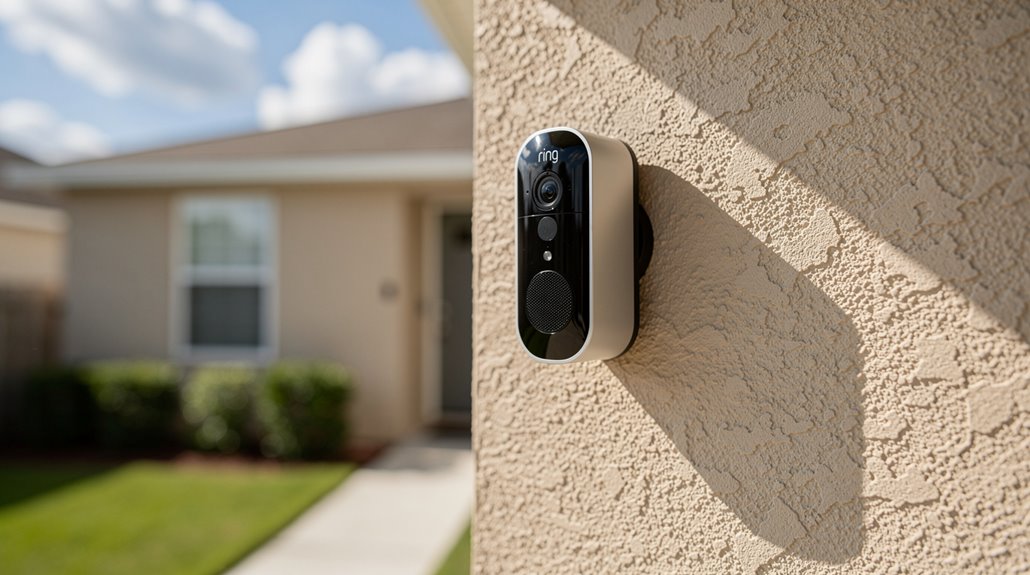
Ring cameras often fail to detect motion not due to technical floundering, but thanks to users trapped in a bureaucratic nightmare of motion zones invisibly ignoring entire areas and sensitivity settings so obtuse they might as well be quantum physics. Add “smart alerts” that snub pets and packages like uncouth riffraff, and a motion snooze feature that quietly murders all notifications—because who needs real-time awareness? Those who survive this Orwellian setup might just uncover more twisted follies ahead.
How astonishing it is that a Ring camera—marketed as the sentinel against suburban chaos—often fails at the singular task of detecting motion, as if it were a malfunctioning sentry too distracted by the dull hum of mediocrity to notice the world moving outside.
The culprit often lurks in the innocent-sounding “motion zones,” a feature so deceptively simple yet so grievously bungled by users and the company alike. Motion detection is as effective only as these zones are thoughtfully configured, yet one finds entire swaths of reality ignored because the camera is programmed to observe only the fragments inscribed by hapless homeowners. It is also essential to regularly review and update these Motion Zones to ensure coverage areas remain relevant.
Surprising no one, initial setups disable this pernicious self-censorship by enabling all zones, exposing just how little the camera truly sees until users, on some quixotic quest for precision, narrow down areas and inadvertently instruct the device to ignore the very motion it was sold to detect.
Equally tragic is the tediously common folly of setting the motion sensitivity slider below a whisper of decency, which turns these cameras into oblivious stooges, amused only by the occasional light breeze.
The siriusly touted “trial and error” approach quickly devolves into a Kafkaesque ordeal, where one must start at ludicrously high sensitivity levels—welcoming an obnoxious barrage of false alarms—before gingerly descending to an equilibrium that the camera can handle.
Adding to the farce is the sinister “smart alerts” feature, which, in its self-assigned wisdom, elects to ignore anything mundane like packages or pets, insisting only on person detections. This selective blindness, masquerading as sophistication, requires disabling just to confirm whether motion detection is genuinely functional or yet another marketing gimmick. These troublesome notifications should be delivering real-time alerts to your smartphone whenever movement occurs, yet they often fail spectacularly at this basic function.
If the user somehow avoids these traps, the motion schedule insidiously handicaps the camera’s vigilance during those exact moments one might expect protection, and the “advanced motion detection” toggles and frequencies remain cryptic adjustments that can prematurely end recordings or throttle event recognition, ensuring a steady diet of missed moments. It is also important to delete all active schedules to reset the device’s motion detection timing and ensure proper alerting.
Finally, the overlooked “motion snooze” feature deactivates alerts in a silent act of betrayal, offering the hollow consolation of recording motion while denying the user any clue of it.
The Ring camera, then, is less a guardian and more a monument to the hollow promises of modern surveillance capitalism.
Frequently Asked Questions
How Do I Reset My Ring Camera?
To reset a Ring camera, press and hold the reset button—typically located on the device’s back or near the battery—for 10 to 15 seconds until a light flashes or a beep sounds, then release and allow the camera to restart.
Can I Share Ring Camera Access With Family Members?
Yes, Ring camera access can be shared with family members by creating shared users through the Ring app. This allows designated individuals to view live footage, receive alerts, and manage device settings based on the owner’s permissions.
What Is the Battery Life of a Ring Camera?
The battery life of a Ring camera ranges from 2 weeks to 12 months depending on usage, activity level, and settings. Frequent motion, live view, Wi-Fi signal strength, and video resolution greatly affect the duration between charges.
Does Ring Work With Alexa Devices?
Ring cameras are compatible with Alexa devices, allowing for voice commands, live video streaming, and notifications. Integration enhances home security by enabling users to access Ring camera feeds through Echo Show or other Alexa-enabled devices seamlessly.
How Do I Update My Ring Camera’s Firmware?
Updating the Ring camera’s firmware requires a stable Wi-Fi connection and the Ring app. Within the app, navigate to the camera’s settings, locate the firmware version, and tap the update button if available to install the latest update.
References
- https://www.youtube.com/watch?v=-Ql8VWINfSA
- https://community.ring.com/t/motion-detection-stopped-working/208300
- https://www.youtube.com/watch?v=0ETQjcYKBlQ
- https://community.ring.com/t/ring-doorbell-2-not-recording-or-alerting-me-to-any-motion/170015
- https://ring.com/support/articles/5xfg9/Troubleshooting-Ring-Alarm-Motion-Detector
- https://community.smartthings.com/t/ring-motion-not-showing/274637
- https://www.youtube.com/watch?v=Ig2_6zXeCx0
- https://www.youtube.com/watch?v=TFaqdgsGvtk
- https://www.youtube.com/watch?v=BJslRP79OuI
- https://www.spottersecurity.com/blog/hard-reset-ring-security-camera/