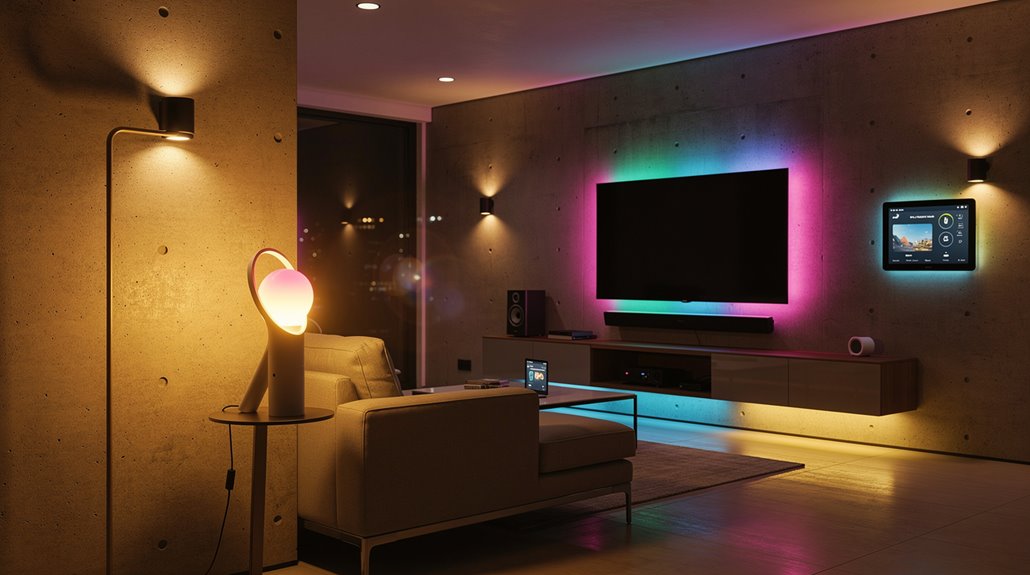
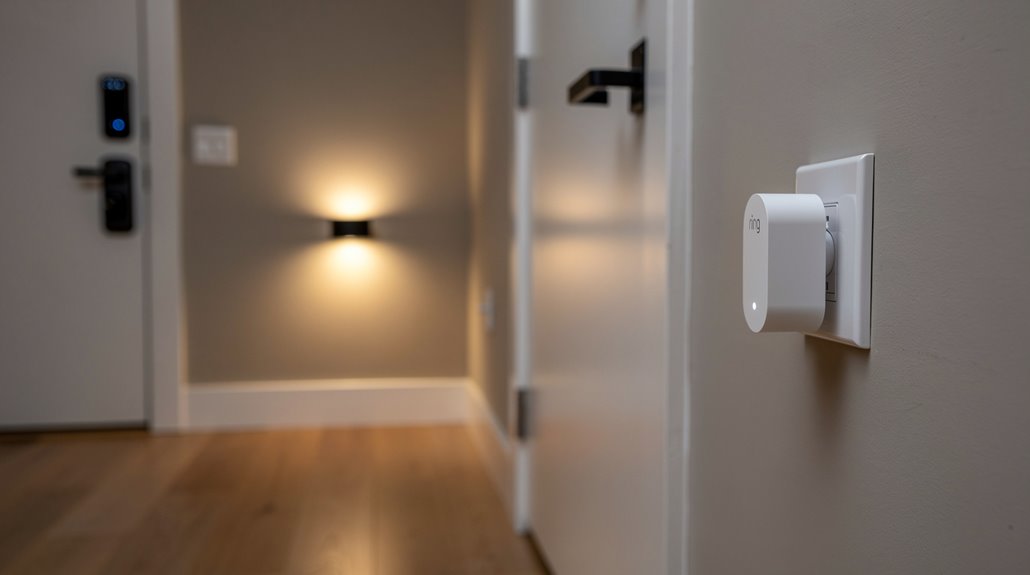
Philips Hue lights command a princely sum by packaging glorified quantum LED bling with labyrinthine ecosystem entanglements and subscription-tier AI theatrics, all masquerading as innovation. Corporate puppeteer Signify exploits status anxiety and tech fetishism, parading a hub five times faster than reason demands and smart bulbs managing an absurd 150 devices—because why shouldn’t your light bulb feel like a data center? Spoiler: the price tag’s less about illumination, more about gilded misery. The absurd depths warrant further illumination.
Who decided that lighting your home should feel like a hostage negotiation with your wallet? Apparently, Philips Hue believed the answer was to load their bulbs with all the bells, whistles, and corporate buzzwords they could squeeze, then slap on a price tag that could fund a small indie film.
These aren’t mere light bulbs; they are avowedly premium hardware marvels, sporting LED tech so advanced it might as well be quantum computing, complete with embedded sensors and control modules that reportedly drain your patience even faster than your bank account. The market clearly loves eating this high-tech dog food—hardware dominates revenue with around 60% market share by 2025—because, hey, everyone wants their lamps to double as motion detectors and energy-saving miracles while they’re at it.
Not just bulbs—they’re high-tech marvels draining wallets and adding sensor-packed complexity everyone apparently craves by 2025.
Then there’s the Philips Hue Bridge Pro, a fortress of processing prowess five times more powerful than its pedestrian predecessors, with memory colossal enough to make your phone blush. This device claims to command up to 150 lights and 50 accessories because nothing says “home lighting” like managing more gadgets than an average IT department. The global smart lighting market is expected to grow at a CAGR of 22.14% over the next decade, meaning more consumers will seek such sophisticated equipment.
Of course, all this sophistication demands complex ecosystem integration, where proprietary nonsense once reigned supreme but now compromises have been brokered via the altruistic “Matter” standard. This fairy-tale standard allows devices from disparate brands to speak softly in unison, while under the surface, armies of software engineers wage endless battles to guarantee compatibility. Integration extends to Samsung SmartThings, because synchronization across lighting, entertainment, and security is just another excuse to upcharge you for a seamless death by a thousand apps.
If you thought this was just about bulbs, think again. Subscription-driven AI features transmogrify hardware into a recurring revenue machine, catering to your every lighting whim with mood-based scenes, smoke alarm detection, and yet another AI assistant ready to nag you about ambience preferences.
The Hue Sync PC app even leverages AI to invade your entertainment zones with immersive lighting—because nothing says luxury like being fleeced for software that watches your screen and paces your wallet accordingly. Behind this circus is Signify Holding, gorging on R&D dollars to keep their market lead intact through lavish innovation cycles, global reach, and a brand reputation that lets them charge for status and style rather than just illumination.
Frequently Asked Questions
How Do Philips Hue Lights Connect to Home Networks?
Philips Hue lights connect to home networks primarily via Zigbee through a Hue Bridge or directly using Bluetooth without a Bridge. The Bridge uses Ethernet to link to routers, creating a Zigbee mesh network expanding connectivity throughout the home.
Can Philips Hue Lights Be Used Outdoors?
Philips Hue lights can be used outdoors, featuring weatherproof designs with IP44 to IP65 ratings. They offer various fixture types, smart controls via Hue Bridge, and durable materials, ensuring reliable performance and adaptability for exterior lighting needs.
Are Philips Hue Bulbs Compatible With Alexa and Google Assistant?
Philips Hue bulbs are compatible with both Amazon Alexa and Google Assistant. Users can control lighting via voice commands through respective apps, utilizing Bluetooth or Hue Bridge connections, enabling features like power control, color changes, and integration with smart home ecosystems.
How Long Do Philips Hue Bulbs Typically Last?
Philips Hue bulbs typically last 25,000 hours or approximately 11 years based on average daily use. Specialty bulbs have shorter lifespans, but many users report functionality beyond rated hours under normal household conditions.
What Colors and Effects Can Philips Hue Lights Produce?
Philips Hue lights produce dynamic colors and effects including candlelight, fireplace flames, gradients, and natural phenomena. They offer preset scenes like winter holidays, calming hues, and designer modes, activating seamless shifts via the scene gallery.
References
- https://www.precedenceresearch.com/smart-lighting-market
- https://www.mordorintelligence.com/industry-reports/smart-lighting-market
- https://hueblog.com/2025/10/27/signify-reports-growth-in-smart-products/
- https://www.signify.com/en-us/our-company/news/press-releases/2025/20250904-far-more-than-intelligent-lighting-philips-hue-reimagines-smart-home
- https://www.marketresearchfuture.com/reports/smart-indoor-lighting-market-3780
- https://www.persistencemarketresearch.com/market-research/smart-lighting-market.asp
- https://www.marketsandmarkets.com/ResearchInsight/smart-lighting-market.asp
- https://www.grandviewresearch.com/industry-analysis/global-smart-lighting-market
- https://phc.com.kw/news-detail/distribution-of-cash-dividend-(2017)
- https://community.smartthings.com/t/connecting-philips-hue-wifi-lights/273261/3