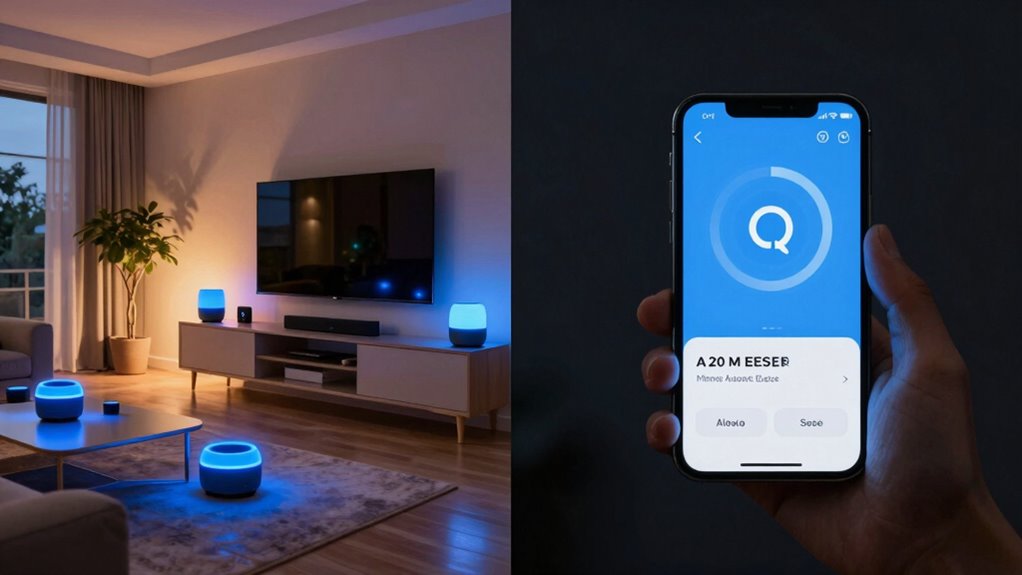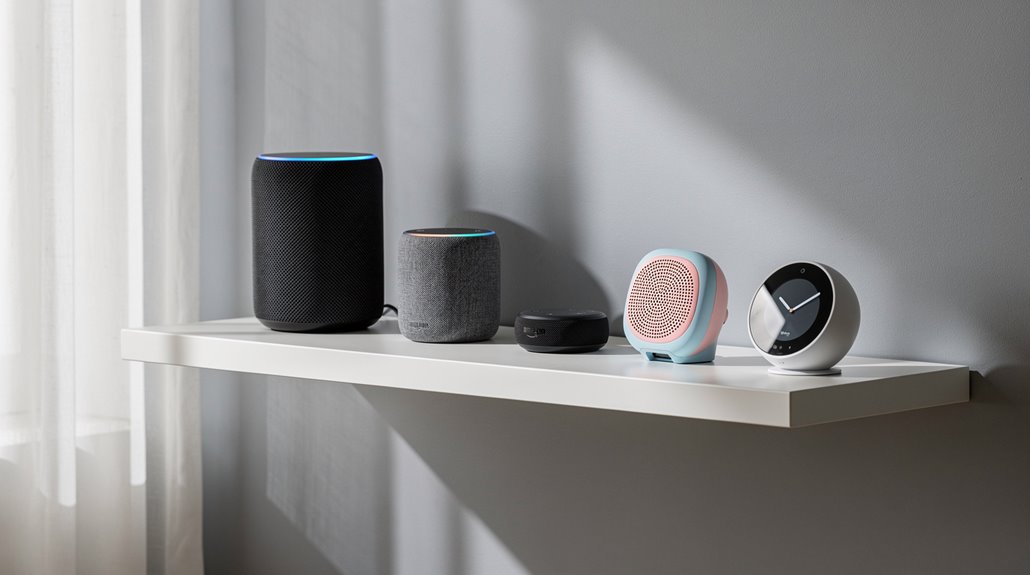
Choosing an Alexa in 2025 feels like picking the least disappointing dystopian gadget. The Echo Studio flaunts “enhanced performance” to justify its audiophile price tag, while budget-friendly Echo Pop and Dot resemble half-baked experiments in mediocrity trying to pass as competent. Echo Spot? A display with audio that’s more “meh” than memorable. Meanwhile, Amazon’s focus seems stuck on milking Prime’s limited “Alexa+” perks rather than true innovation. For those wondering which model won the race to underwhelm, the verdict awaits.
Why bother choosing an Alexa device at all when the latest 2025 lineup feels less like innovation and more like a cynical cash grab by Amazon’s echo chamber of greed? One can almost imagine boardrooms bathed in the cold light of mercenary math rather than creativity, churning out yet another “Echo” variant with just enough processor polish—AC3 and the fanciful AC3 Pro, apparently—to mask the rot.
When innovation fades, Amazon’s 2025 Echo lineup feels like greed dressed as progress.
The Echo Studio (2025) flaunts this processor like a golden ticket, promising “enhanced performance,” as if speed alone redeems the soul-sapping sameness of smart speakers conjured to siphon dollars. Meanwhile, the Echo Dot Max trots behind with a lesser AC3 chip, pretending it’s a credible sibling worthy of your wallet, while the Echo Dot (5th Gen) and Echo Pop cling to their pedestrian existence, the latter barely scraping dignity with its “budget-friendly” branding. Notably, all Echo speakers include Alexa Plus, enhancing their functionality especially for US Amazon Prime subscribers.
Sound quality, the very sinew any speaker ought to boast, reveals the absurd hierarchy Amazon dares to claim. The Echo Studio serves as the self-anointed maestro, lavishing audiences with “superior sound” that teases deep lows and crisp highs—if only for those who can stomach the steep price. The Echo Dot Max sits meekly second, promising clearer audio but still chained to a mid-tier performance that might incite yawn-inducing ennui.
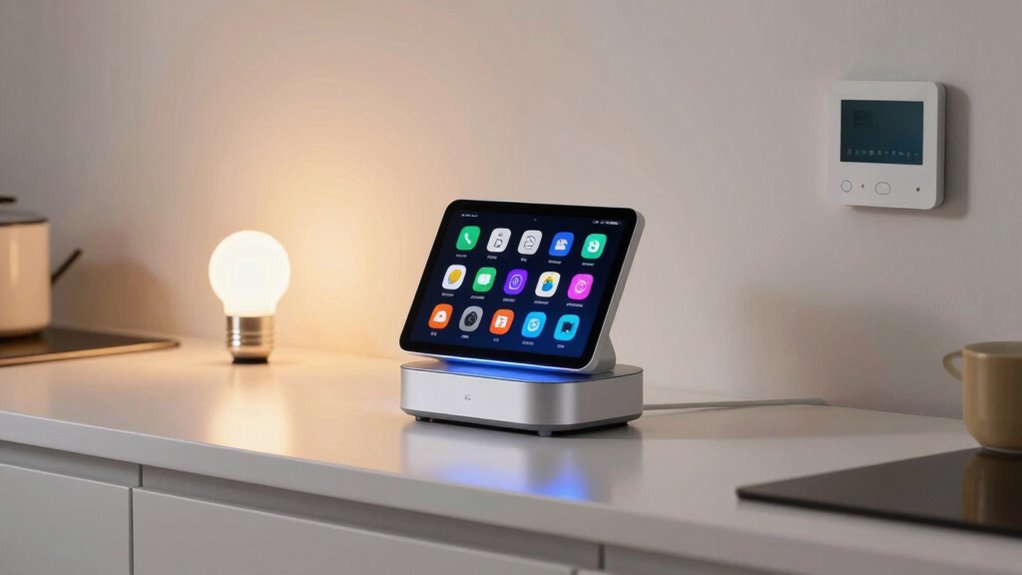
Curiously, the Echo Spot attempts a hybrid act with its “display screen” and mediocre audio, while the Echo Pop and basic Dot (5th Gen) muddle through with sounds satisfactory only to those willing to reserve sound judgment—and ears.
Responsiveness dances on the cutting edge with Studio and Dot Max, their processors shaving milliseconds off Alexa’s excruciatingly slow command procession—because who wouldn’t want a voice assistant that finally feels less like waiting for Godot? Echo Spot limps behind, and the budget models crawl in a deafening silence.
All models claim smart home control ability, but only the top-tier truly perform with any grace, leaving budget buyers to wrestle with lag and rebellion from their “smart” devices.
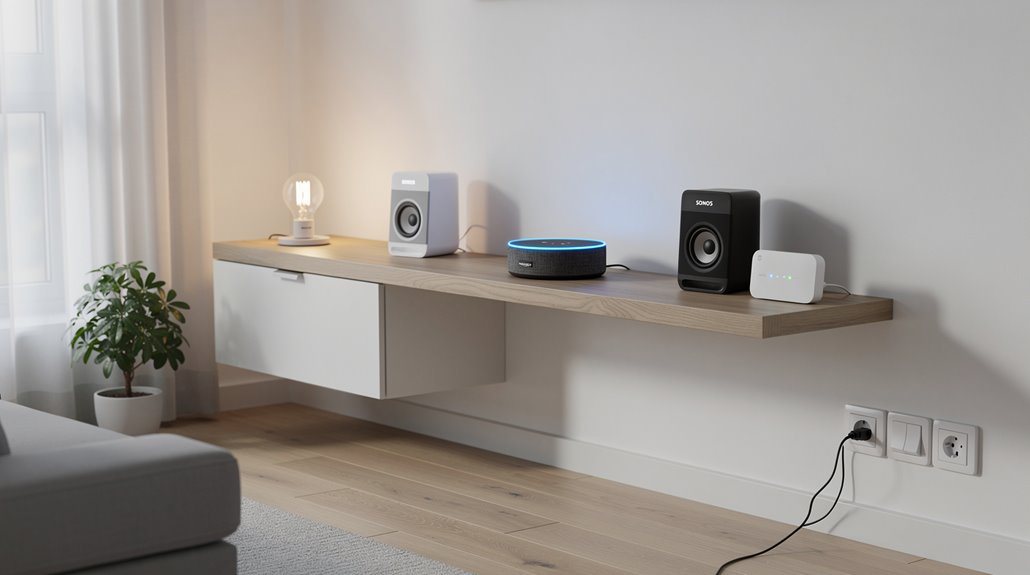
And for the lucky few within the United States, “Alexa+” offers “premium” features—advanced question answering and translation—as if throwing Prime members a breadcrumb to ignore the grotesque global apathy Amazon exhibits outside US borders. For those seeking alternatives, the Sonos Era series delivers superior audio performance while maintaining Alexa compatibility.
The gamble lies in price versus promise: the Echo Studio demands a king’s ransom, justified only by audiophiles who prize every shimmy of bass, while the Echo Pop offers a plausible bargain, albeit with all the charm of a discount novelty. The Dot Max hovers in middle-class limbo, and the Spot dares to flash a screen for a moderate sum, but all ultimately ask: in this assembly line of echoing desperation, which voice does one truly trust—not just to respond, but to not mock the intelligence of its owners?
Frequently Asked Questions
Can Alexa Control Non-Smart Home Devices?
Alexa cannot directly control non-smart home devices without built-in communication components. However, retrofitting with smart adapters, hubs, or modules, such as Z-Wave or Sonoff, enables voice control through Alexa-compatible ecosystems and routines.
How Secure Is My Data With Alexa Devices?
Data with Alexa devices is vulnerable due to constant cloud transmission, decrypted access by Amazon staff, and always-active microphones. Privacy controls are limited, and devices are exposed to hacking, raising significant security and data misuse concerns.
Do Alexa Devices Support Multiple User Profiles?
Alexa devices support multiple user profiles through distinct Alexa and Household Profiles, enabling personalized experiences with voice recognition and content sharing. Both systems require separate Amazon accounts and operate simultaneously on the same device to differentiate users.
Can Alexa Work Without an Internet Connection?
Alexa can partially operate without internet using Local Voice Control on select Echo models, allowing limited smart home functions and basic commands. However, most features like music streaming, alarms, and weather updates require active internet connectivity.
Are There Any Subscription Fees for Alexa Features?
Alexa offers a subscription called Alexa+ at $19.99 monthly, included free with Amazon Prime membership. This service enhances AI capabilities, integrates music and grocery ordering, supports ticket alerts, and works across multiple devices and platforms.
References
- https://www.youtube.com/watch?v=3g5uFnmYJK0
- https://www.gearbrain.com/amazon-echo-2025-smart-speakers-alexa-plus-2674168912.html
- https://www.homecontrols.com/shop-by-compatibility/voice-control-compatability/amazon-alexa-compatible-devices
- https://community.home-assistant.io/t/adding-non-smart-devices-to-home-assistant/35508
- https://www.aboutamazon.com/news/devices/alexa-on-the-go-devices
- https://www.amazonforum.com/s/question/0D56Q0000E4ue83SQA/nonamazon-alexa-devices?language=en_US
- https://www.tp-link.com/eg/alexa-compatibility/product-list/
- https://www.safewise.com/alexa-compatible-devices/
- https://developer.amazon.com/alexa/connected-devices
- https://www.youtube.com/watch?v=9lGA4Npim7Y