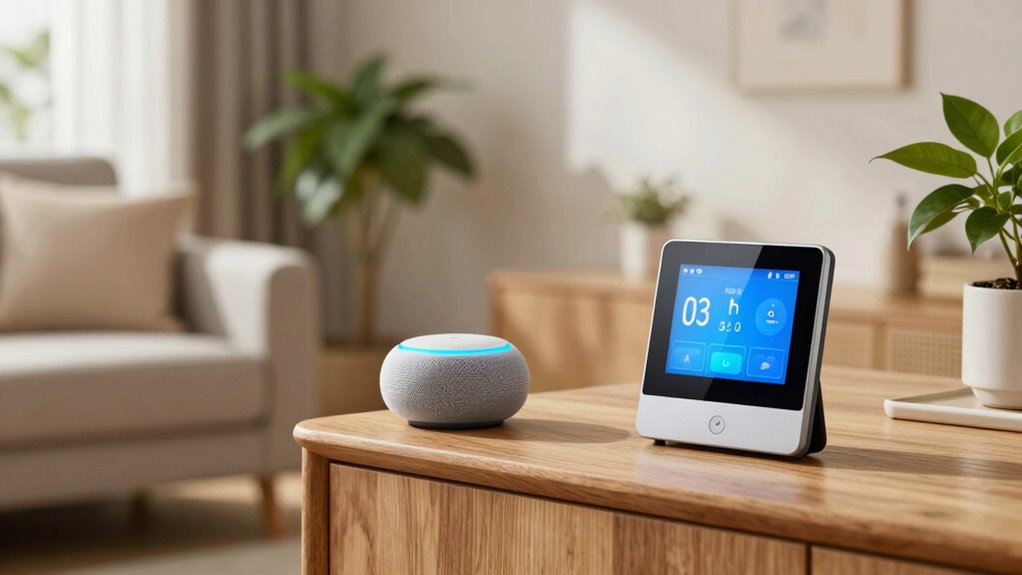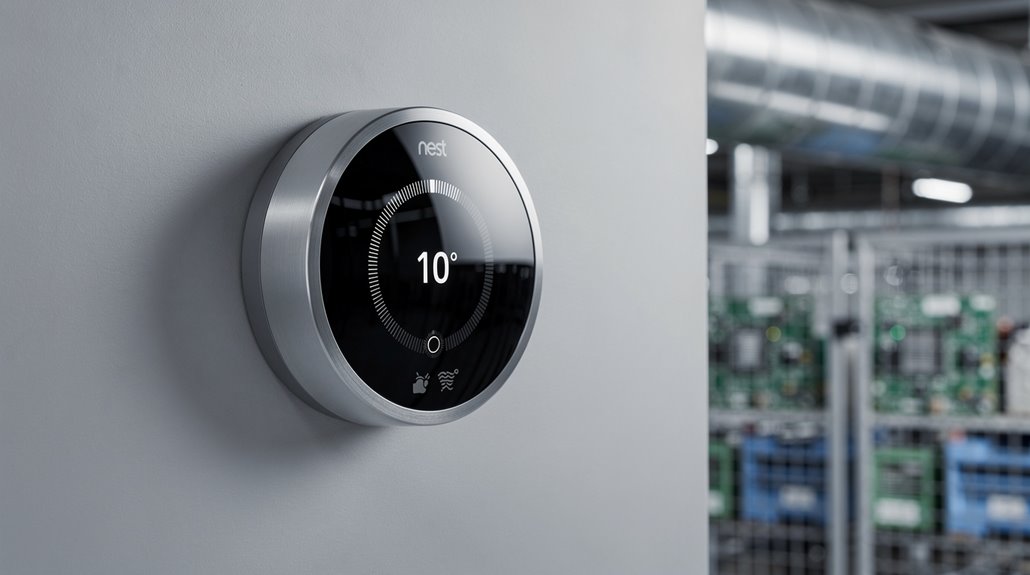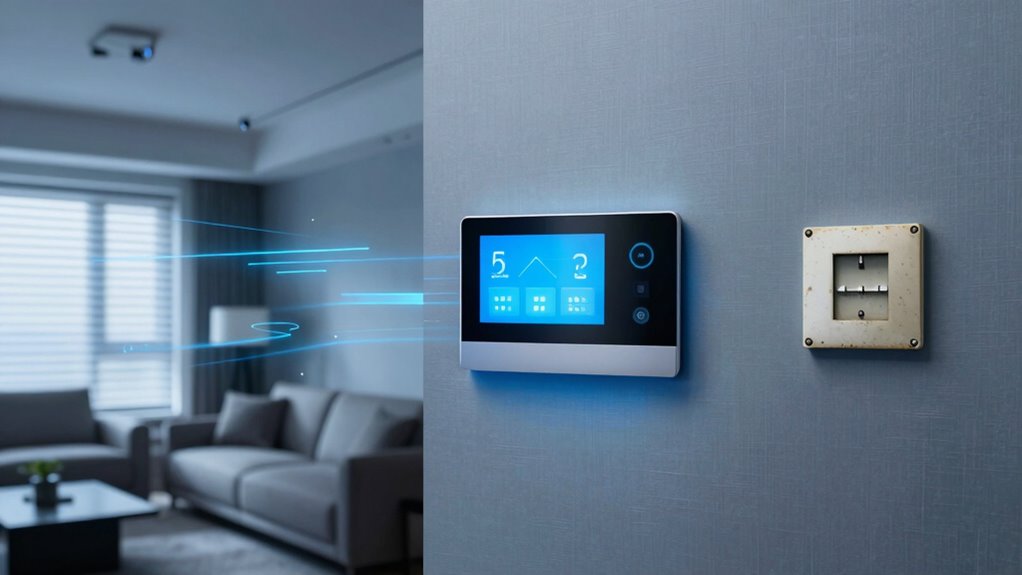
The latest Nest Learning Thermostat, released in 2024, flaunts a showroom-worthy 60% larger display—a thin veil for Google’s cunning strategy to phasing out earlier models by 2025 under the guise of “planned obsolescence.” First- and second-generation users are politely nudged into obsolescence, shackled by lost app support, all while Europe gets unceremoniously dumped from the market. This “upgrade necessity” masquerades as innovation but reeks of corporate cruelty. Curious how convenience and coercion collide?
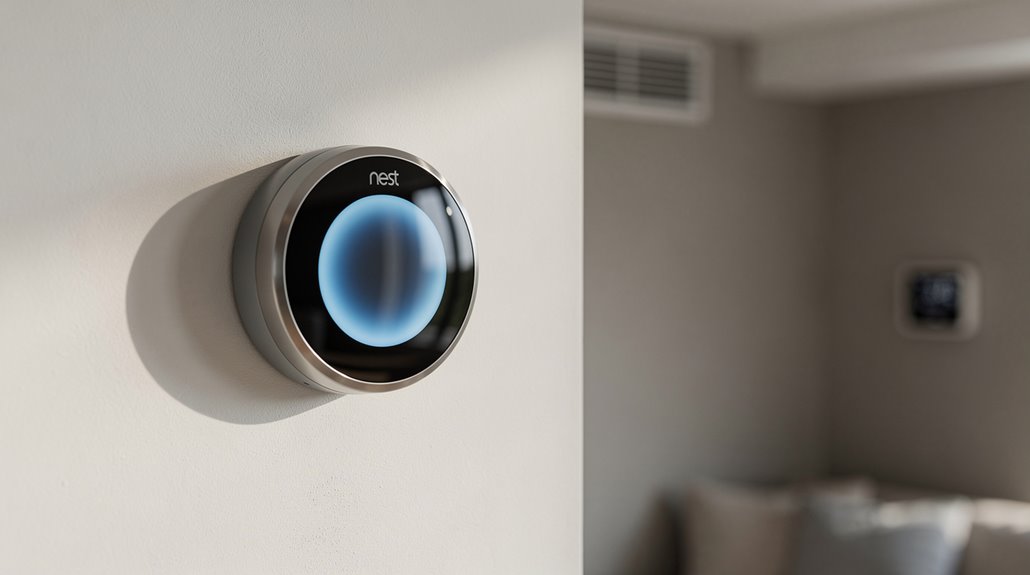
Behold the fourth generation of the Nest Learning Thermostat—Google’s latest attempt to peddle “smart” climate control devices as if reinventing the thermostat wheel mid-21st century is a noble cause rather than a corporate ploy to obsolete perfectly functional gadgets within a decade. Released in 2024 and currently the only game in town after the first two generations received their pink slips effective October 25, 2025, this model swaggeringly touts a 60% larger display, which is just what one needs while squinting in disbelief at the aging trend of planned obsolescence disguised as innovation.
The sleek, minimalist design smugly fits any home décor, presumably so consumers won’t feel too visually assaulted while being gouged for upgrades. Clad in an iconic reinvented shell designed entirely to maintain brand limelight, it also boasts a new backplate promising compatibility with a smorgasbord of systems—perhaps to pacify that nagging existential dread of smart device isolation. Users of first- and second-generation models must consider upgrading to maintain smart features as older generations lose app support in late 2025 end of support. Google is also discontinuing Nest thermostats in the European market, though no relocation plans exist, highlighting its continued focus on the US market and consumer preference.
The energy-saving spiel promises AI-driven scheduling that “learns” user routines, thereby conjuring a semi-sentient, judgmental roommate that optimizes your comfort with less wattage. The “Natural heating and cooling” feature, while vaguer than a weather fortune cookie, claims to analyze multiple data points—presumably excluding the unmistakable scent of corporate greed.
Adaptive Eco mode flaunts itself as the paragon of efficiency by perpetually tinkering with comfort levels, while Seasonal Savings automatically tweaks settings because apparently, the thermostat knows spring from fall better than the homeowner who pays the bill. Integration isn’t left behind either: thanks to full Matter certification, users can bask in cross-platform smart home control, shockingly including Google Home app remote access and voice commands that obediently fetch temperature changes on demand, anywhere in the world, ensuring no move goes unmonitored, no rebellion unobserved.
Included with the device is the second-generation Nest Temperature Sensor, a token gesture to ameliorate hot and cold spots—a fancy way of acknowledging the flaws in the system’s own climate estimations. Compatibility stretches to ventilation, humidifiers, and dehumidifiers, but disappointingly, the older temperature sensors are tossed aside like yesterday’s firmware, encouraging fans to cough up yet more cash.
Regular software upgrades extend support, security patches shield from the lurking cybervillains, and forward compatibility promises to tether the thermostat to Google’s sprawling smart home empire for years to come. Incentives to upgrade abound, from significant discount codes to promotional emails for those lumbered with vintage models, serving as finely tuned needles in the corporate arm of consumer guilt.
Between the looming end-of-support deadline and competitive pricing laced with “special offers,” the message is crystal clear: upgrade or become obsolete, because nothing says progress like enforced obsolescence wrapped in the smug convenience of “smart” technology.
Frequently Asked Questions
How Do Nest Thermostats Compare to Other Smart Thermostats?
Nest thermostats excel with adaptive learning, broader HVAC compatibility, and seamless Google Home integration. Their Matter-certification enhances smart home interoperability. Their design, energy optimization, and consistent updates distinguish them from competitors in smart thermostat performance and longevity.
Can the Nest Thermostat Be Controlled Without Wi-Fi?
The Nest thermostat can be controlled without Wi-Fi using its physical dial to adjust temperature manually. However, smart features like remote access, voice commands, scheduling, and energy monitoring require an internet connection to function.
What Is the Warranty Period for a Nest Thermostat?
The warranty period for a Nest Thermostat varies by model: the 2020 and Thermostat E models have a one-year limited warranty, while the Nest Learning Thermostat models receive a two-year warranty from the original purchase date.
Are Nest Thermostats Compatible With All Heating Systems?
Nest thermostats are compatible with most 24-volt heating and cooling systems but are incompatible with millivolt, solid fuel, and high-voltage baseboard heaters. Professional installation is advised for complex or unusual system setups.
How Does Nest Handle User Data and Privacy?
Nest’s handling of user data and privacy is not detailed in the provided information. Additional research into Google Nest’s privacy policies and documentation is necessary to understand how user information is collected, stored, or protected.
References
- https://www.homeiq.ae/blog/nest-thermostat-2025-update
- https://www.youtube.com/watch?v=rtfwBwsghfQ
- https://store.google.com/product/nest_learning_thermostat_4th_gen?hl=en-US
- https://support.google.com/googlenest/answer/16233096?hl=en
- https://www.googlenestcommunity.com/t5/Blog/Support-changes-to-our-earliest-generation-Nest-Learning-Thermostats/ba-p/713068
- https://blog.google/products/google-nest/faces-arrive-on-google-nest-learning-thermostat/
- https://www.youtube.com/watch?v=oprKdt5x5ow
- https://store.google.com/magazine/compare_thermostats?hl=en-US
- https://support.google.com/googlenest/answer/9263516?hl=en
- https://www.prosolutionsinc.ca/google-nest-learning-thermostat-support-changes/