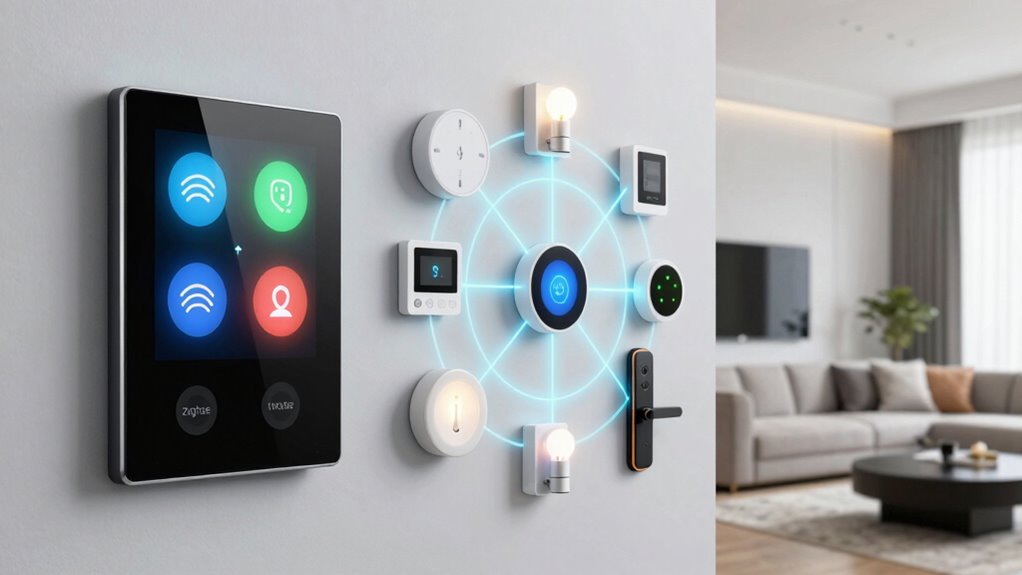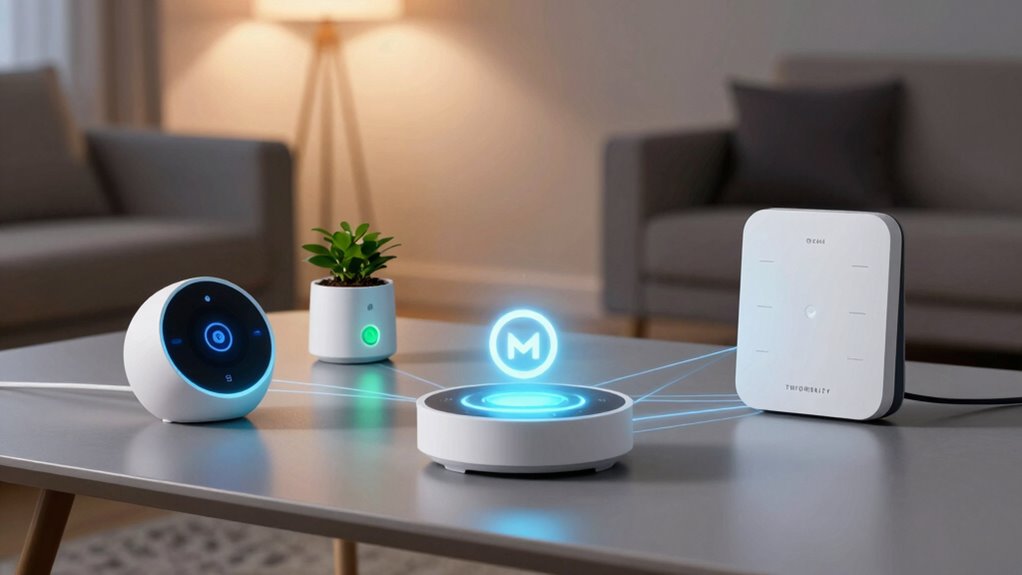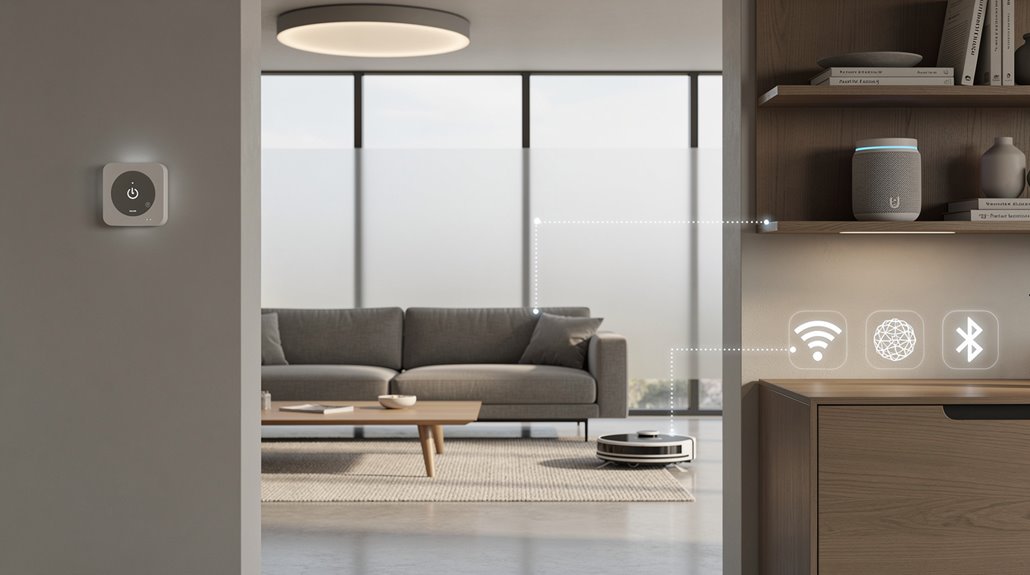
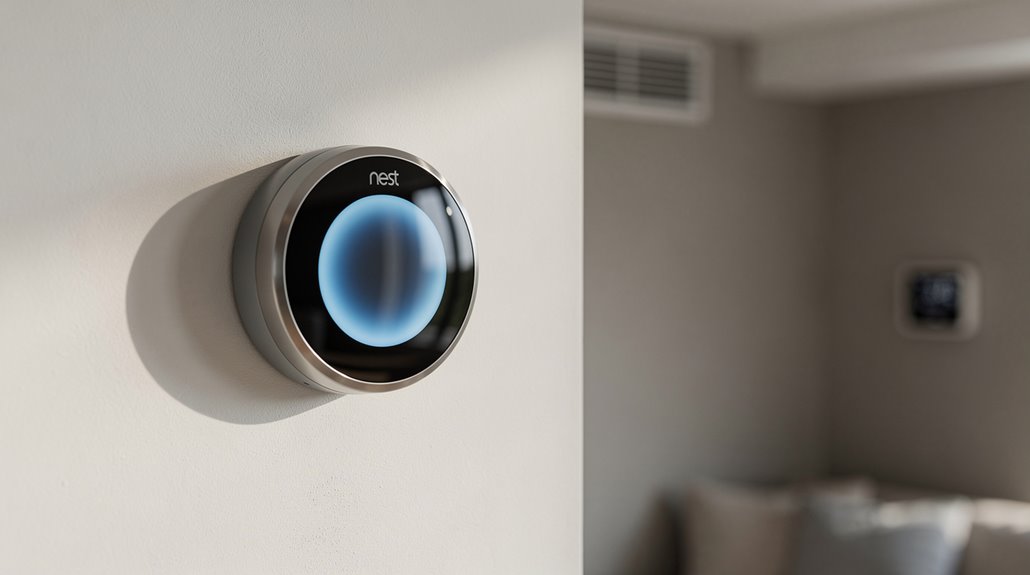
Matter Smart Home, the corporate chimera born from the Connectivity Standards Alliance, promises to unite fragmented IoT junkyards under one faux-heroic Internet Protocol banner—Wi-Fi, Ethernet, and Thread begrudgingly enlisted in this circus. It boasts cross-brand magic (Apple bows to Google), AES-128 bravado for “security,” and bridges that reluctantly assimilate legacy tech or be left in the dust. All shiny until real-world chaos resurfaces, but for those craving more disillusionment and delightfully entangled truths, the spectacle continues.
Truly, the audacity to claim device communication simplification when past promises were vaporware is breathtaking. Matter operates atop Internet Protocol (IP), shamelessly leveraging existing Wi-Fi and Ethernet infrastructures, ostensibly the same kind of networks that dreamers have awaited to unify smart homes. The Connectivity Standards Alliance’s backing ensures that Matter unifies smart home devices under a single, widely supported standard. The introduction of individual setup codes guarantees that device connections are secure and personalized from the start.
Thread, a lesser-known mesh networking standard, skulks alongside Wi-Fi and Ethernet as an official networking darling, perfectly suited for minuscule gadgets that consume just enough power to betray any pretense of efficiency. Bluetooth Low Energy lurks as a fourth standard, the awkward middle child facilitating device introductions, because even Matter understands the value of a formal handshake before integration.
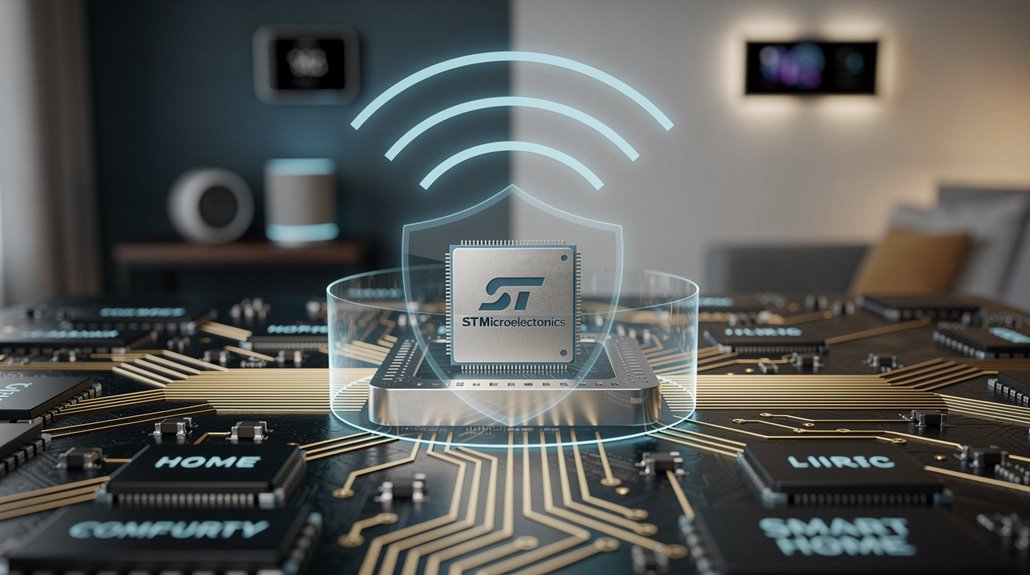
Security theater reaches new heights with AES-128 encryption and Public Key Infrastructure, cloaking itself in industry-leading jargon while grudgingly admitting that every Matter-certified product must adhere to these sacrosanct mandates. End-to-end encryption and a unified privacy policy attempt to soothe the perpetually vulnerable smart home user, but let’s not kid ourselves: this is still an arena rife with corporate data fishing disguised as protection.
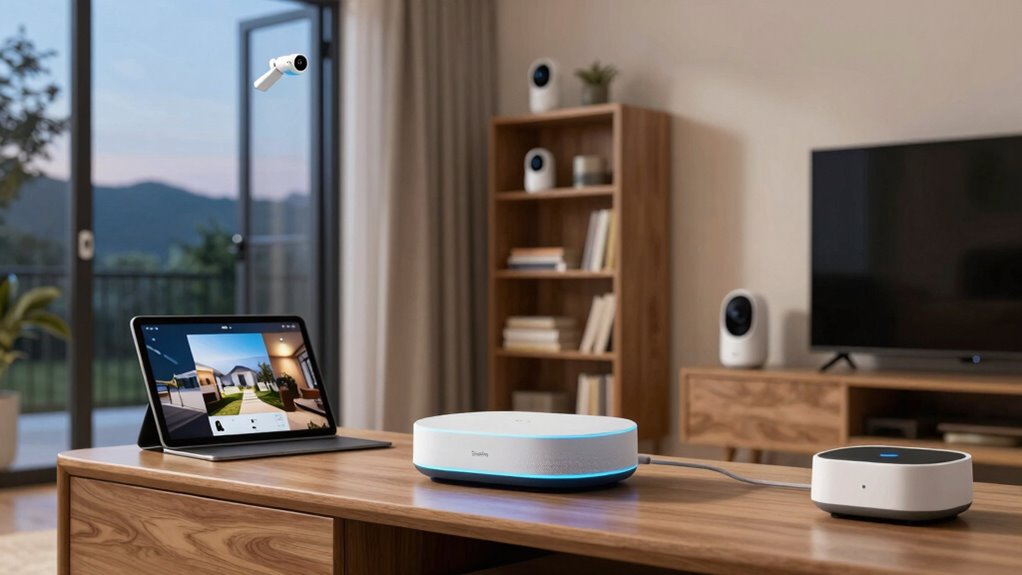
The true coup de grâce is Matter’s cross-brand compatibility. At last, your Apple Home lights can cavort with Google Home apps, tormenting relatives with multiple control systems instead of the usual one-brand dictatorship.
Bridges translate the baffling dialects of legacy standards into Matter’s universal IP tongue, ensuring that even the most obsolete smart plug can join the communal dance. The 2023 update, boasting support for robot vacuum cleaners and refrigerators, heralds the imminent arrival of collaborative chaos inside domiciles worldwide, as nine additional device categories trample past the initial modest rollout.
Reality may yet bite, but at least now it does so in a synchronized chorus.
Frequently Asked Questions
How Does Matter Improve Device Security Compared to Older Standards?
Matter enhances device security by enforcing mandatory encryption, robust authentication with PKI and DACs, local-first architecture reducing cloud dependency, zero trust principles, layered security, continuous updates, and strict certificate and access control management to prevent unauthorized device access.
Can Matter-Enabled Devices Work Without an Internet Connection?
Matter-enabled devices can operate locally without an internet connection after initial setup, using Thread mesh networking and local WiFi. However, internet is required for commissioning, firmware updates, remote access, and some management functions.
What Companies Are Currently Supporting the Matter Standard?
Apple, Google, Amazon, Samsung SmartThings, IKEA, Eve Systems, Bosch, and Govee are among the prominent companies currently supporting Matter. Over 200 smart home firms contribute, backed by the Connectivity Standards Alliance overseeing standardization and certification.
Is Matter Compatible With Existing Smart Home Ecosystems Like Alexa or Google Home?
Matter is compatible with existing smart home ecosystems like Alexa, Google Home, and Apple HomeKit, enabling direct device connections, local control, and multi-platform management without additional hubs or apps, ensuring broad interoperability and simplified setup processes.
How Often Will Matter Receive Updates or New Feature Support?
Matter receives biannual updates, with major releases typically in spring and fall. These updates introduce new device categories, enhanced features, and security improvements, ensuring continuous expansion and refinement of the protocol’s capabilities.
References
- https://ndstec.com/en/solutions/the-new-smart-home-standard-catch-up-what-is-matter/
- https://matter-smarthome.de/en/matter-faq/
- https://sensereo.com/community/what-is-matter-the-new-standard-for-smart-home-connectivity/
- https://csa-iot.org/all-solutions/matter/
- https://en.wikipedia.org/wiki/Matter_(standard)
- https://blog.se.com/homes/2025/07/21/what-electrical-contractors-should-know-about-matter-smart-home-devices/
- https://developers.home.google.com/matter/overview
- https://thinkrobotics.com/blogs/learn/matter-protocol-explained-for-smart-homes-complete-guide-2025
- https://www.helpnetsecurity.com/2025/08/11/matter-1-4-2-smart-home-security/
- https://www.iotcentral.io/blog-all/a-hrefwhat-is-matter-protocol-and-how-does-it-worka