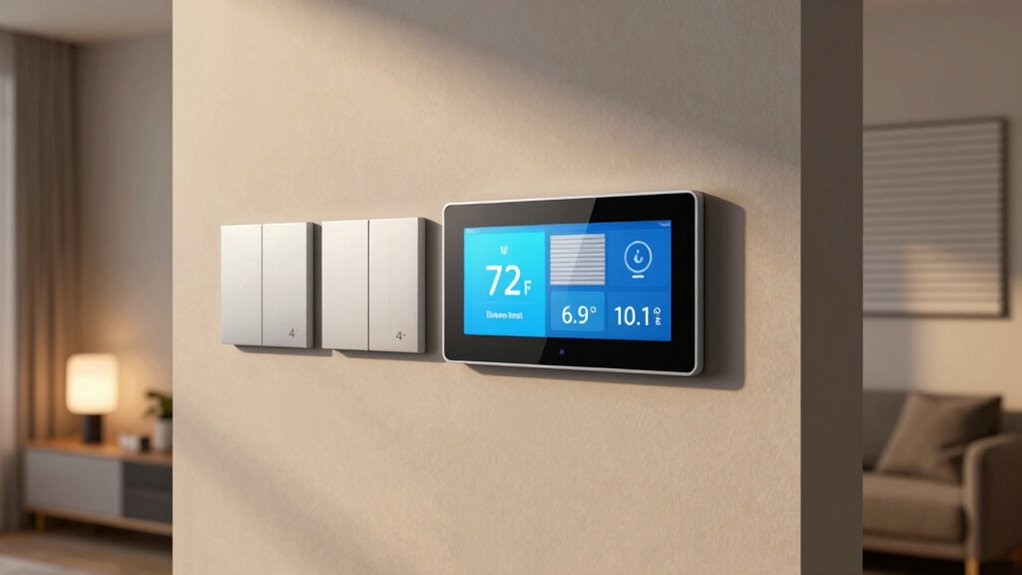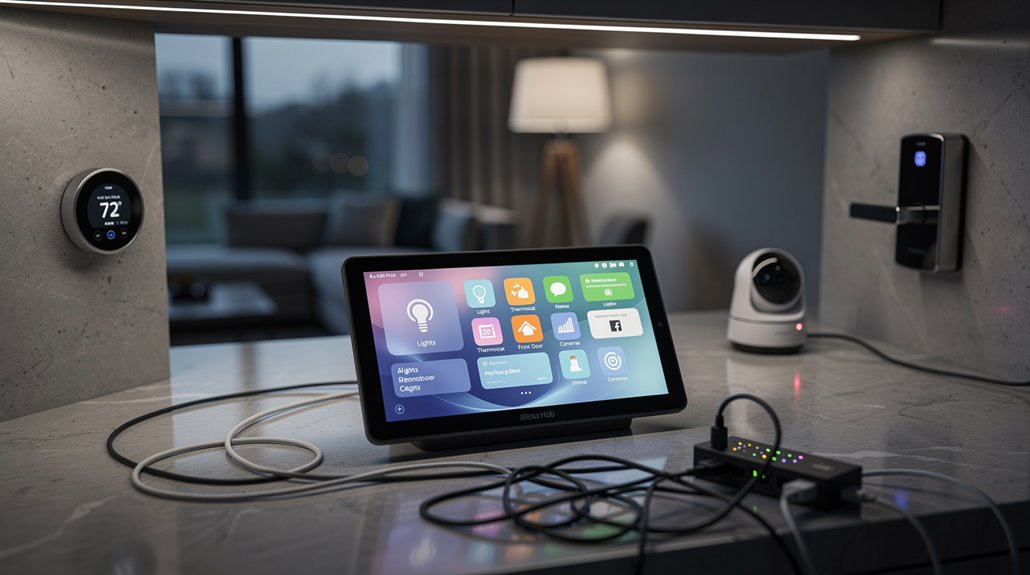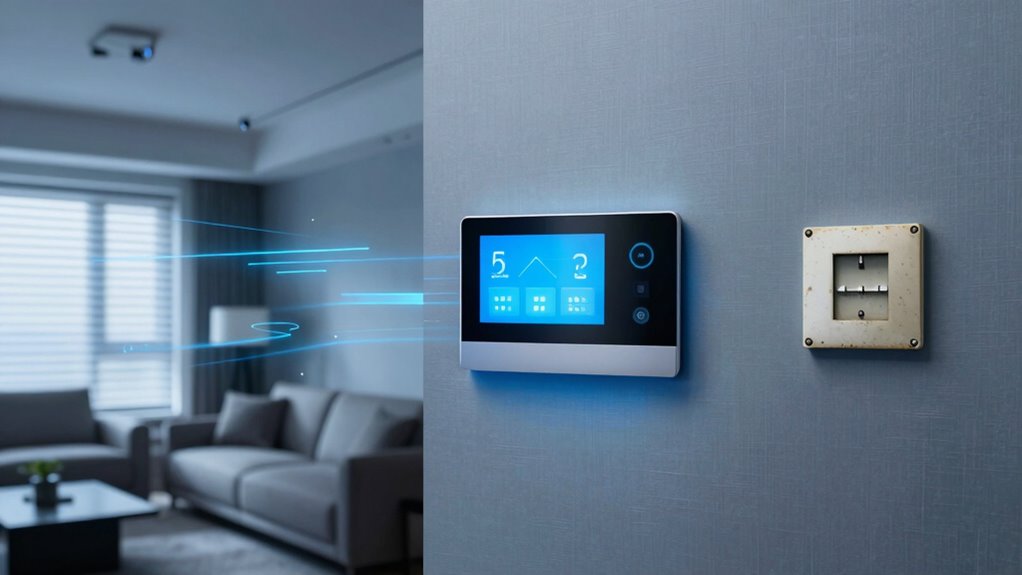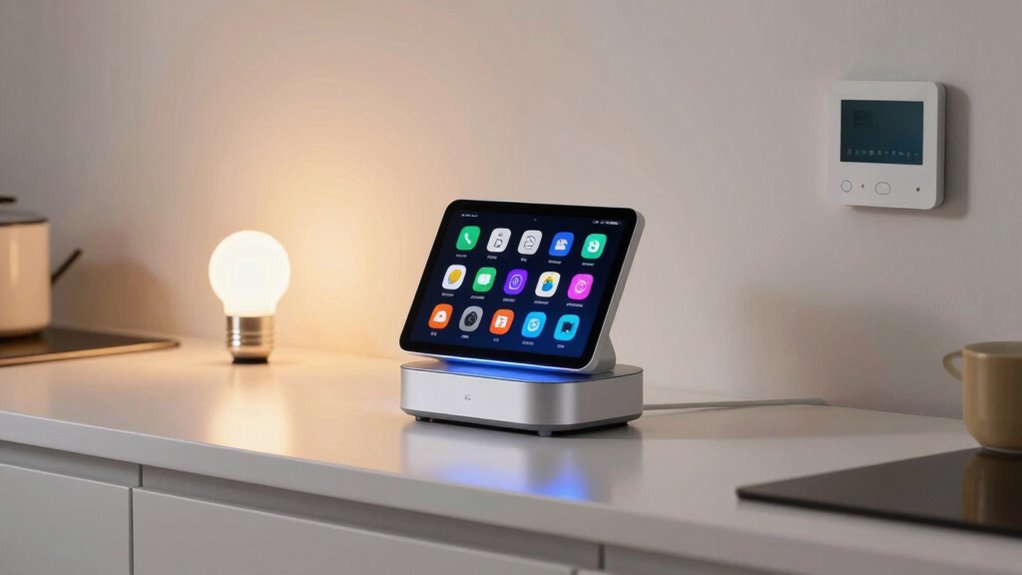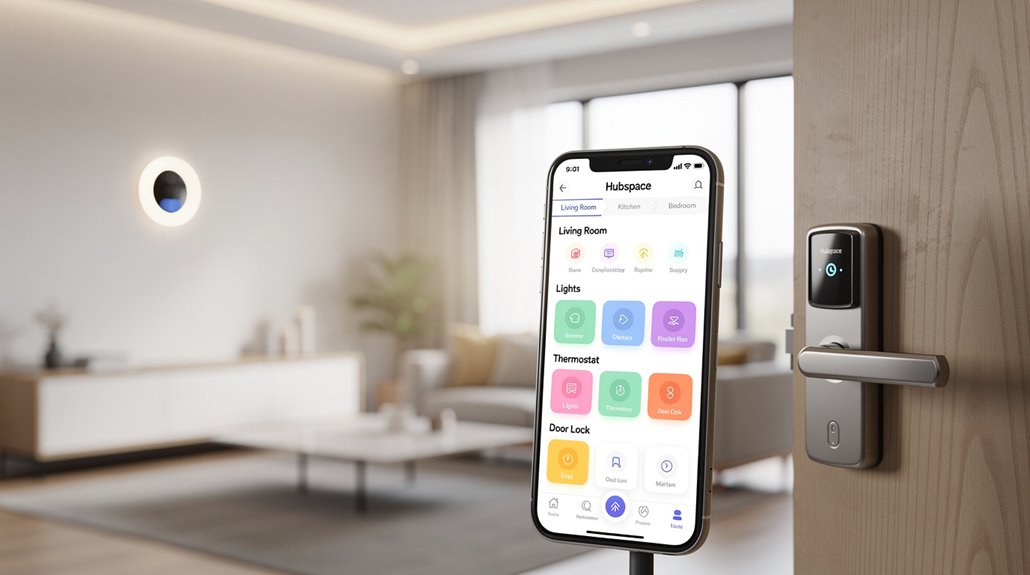
Hubspace, Home Depot’s uninspired gambit in smart home tech, repackages pedestrian WiFi doodads under the guise of “simplicity.” Eschewing reliable protocols like Zigbee for flaky WiFi reliance, it offers a suite of tepid gadgets—thermostats, lights, and water timers—that bumble through setup with generic, user-hostile instructions. Promising seamless control yet delivering spotty connectivity, Hubspace reduces convenience to an exercise in patience, all undercut by a middle-market sameness. For a deeper tour through this tech tragedy, keep going.
Ah, the miracle of modern convenience: Hubspace, The Home Depot‘s latest attempt to hypnotize a captive audience into believing that managing smart homes should be as painless as assembling flat-pack furniture—minus the inevitable missing screw. This exclusive platform, wrapped in the banal promise of simplicity, offers users a glorified app to herd compatible smart devices like a digital shepherd. Powered by Afero technology, Hubspace audaciously claims to sever ties with “complex hubs,” replacing those notorious gateways with a direct WiFi connection. Because nothing says modern convenience quite like relying entirely on your home’s wifi—a beacon of reliability in a world of dropouts and dead zones. The platform also includes new smart home products like thermostats, water timers, and chest freezers, enhancing user options within the Hubspace product expansion. Users also appreciate that Hubspace eliminates complex hubs, simplifying device management through a smartphone app.
Home Depot’s Hubspace: the “simple” smart home app that trusts your spotty WiFi to do all the heavy lifting.
The setup boasts of a “secure onboarding” completed in under 60 seconds, where a QR code scanning system reigns supreme, pairing devices quicker than you can say “corporate boilerplate.” Of course, the wifi password must be sacrificed at the altar of convenience—typed once and supposedly saved for eternal faster additions. The entire ritual is painstakingly guided through the Hubspace app, transforming potential technological triumph into a slow march through generic instructions and vaguely reassuring progress bars.
Device compatibility reads like a checklist for anyone writing a mid-tier sci-fi script—smart lighting that flickers in both recessed and track forms, climate control with thermostats and window air conditioners (because portable ACs are obviously the pinnacle of home comfort). Security systems feature door locks and motion sensors, joined by sprinkler controllers that guarantee your lawn doesn’t wilt while you obsess over your phone’s color temperature adjustments. Unlike Alexa, which supports multiple protocols including WiFi, Bluetooth, Zigbee, and Z-Wave, Hubspace relies primarily on WiFi connectivity for device control.
Yes, Hubspace grants you tiny godlike powers: toggling lights, controlling fan speeds, grouping devices by room, and, naturally, remote access—because nothing spells freedom like monitoring your house from the abyss of a never-ending commute.
Integration with Amazon Alexa and Google Assistant is seamless, coaxing voice commands from the ether, allowing you to command your domicile without lifting a finger—because the pinnacle of laziness deserves technological tribute. The app even organizes products by room, so you can pretend you manage your smart home and property empire efficiently, with batch controls to orchestrate entire rooms like a conductor who’s tired of real music.
All this wonders-in-an-app bundle come bundled in a pricing strategy designed to lure wallets without mercy: the New Home Bundle under $230, flashing thermostat, light switch, deadbolt, and LED bulb like a buyer’s carrot. Meanwhile, more modest lighting solutions sit under $150, all undercutting competitors just enough to feel like a deal, but with the trademark exclusion of any subscription fees—because nothing says corporate benevolence like one-time fees plucked from an already squeezed consumer.
And if you wondered where the products sprout from—the usual suspects: Hampton Bay, EcoSmart, and Defiant, Home Depot’s own brands, guaranteeing that digital dreams don’t stray far from middle-market mediocrity.
Hubspace, fundamentally, is the supermarket brand of smart homes: familiar, slightly uninspired, but promising a tidy life that mostly depends on how mercifully your wifi behaves and how patient you are with generic corporate cheer. The future of convenience, bottled and sold, one unremarkable app tap at a time.
Frequently Asked Questions
Can Hubspace Control Devices From Brands Outside Home Depot?
Hubspace cannot control devices from brands outside Home Depot. It exclusively manages Home Depot proprietary products, disallowing integration of third-party devices, except indirect voice control via Alexa or Google Assistant bridging separate platforms.
Does Hubspace Support Voice Assistants Like Alexa or Google Assistant?
Hubspace supports voice assistants Alexa and Google Assistant. Users link accounts via respective apps, enabling voice control for lighting, locks, fans, outlets, and window treatments, with troubleshooting steps for connectivity and offline device management provided.
What Is the Difference Between Hubspace and Other Smart Home Platforms?
Hubspace differentiates through exclusive Home Depot brand products, budget-friendly pricing, direct WiFi connections without hubs, room-based organization, and seamless Alexa and Google Assistant integration, offering quick setup and extensive device control without subscription fees.
Are There Any Subscription Fees for Using Hubspace?
Hubspace requires no subscription fees for usage. The app and its features, including account setup, device control, and integration, are free. Users avoid ongoing costs, with no payment or credit card information needed to access the platform.
How Secure Is the Data Shared Through the Hubspace App?
Data shared through the Hubspace app is moderately secure, benefiting from Afero’s integrated IoT platform privacy measures. However, weaker app-side authentication and lack of two-factor authentication increase potential risks of unauthorized access.
References
- https://afero.io/html/home/article01.08.24.html
- https://www.gearbrain.com/hubspace-home-depot-smart-devices-2670730449.html
- https://www.homedepot.com/b/Smart-Home/Hubspace/N-5yc1vZc1jwZ1z1pr0w
- https://www.youtube.com/watch?v=u2PyLZmpYjk
- https://play.google.com/store/apps/details?id=io.afero.partner.hubspace&hl=en_US
- https://www.reviewed.com/smarthome/features/home-depot-hubspace-review
- https://corporate.homedepot.com/news/products/smart-home-simplified-hubspace-launches-new-curated-bundles
- https://www.homedepot.com/c/ab/hubspace-faq/9ba683603be9fa5395fab9014e4790c0
- https://www.homedepot.ca/en/home/brand-pages/hubspace.html
- https://community.smartthings.com/t/if-you-build-it-will-they-download-and-use-it-home-depot-hubspace/231221