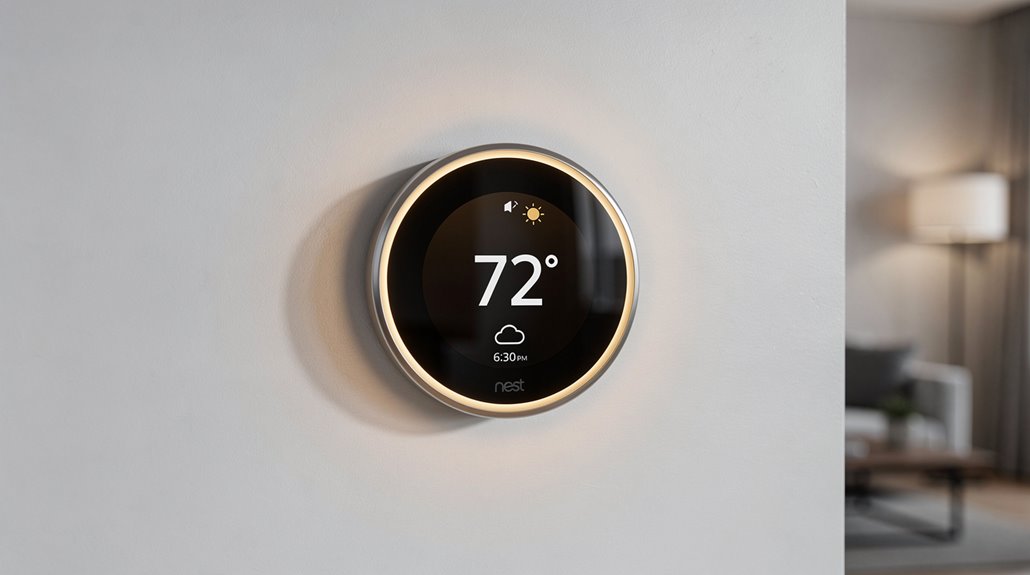
Farsight on Nest, that Soli-powered peacock, futilely stalks your presence within ten feet, transforming your thermostat into a blaring digital billboard flaunting eight gaudy faces—from animated Seasonal Art to oversized fonts screaming for attention—while prattling target temps and weather like a needy toddler desperately seeking validation. Available only on select Nest models, this spectacle masquerades as innovation but really just parades techno-surveillance and vanity. Those intrigued by its labyrinthine customization might find deeper absurdities beyond superficial charm.
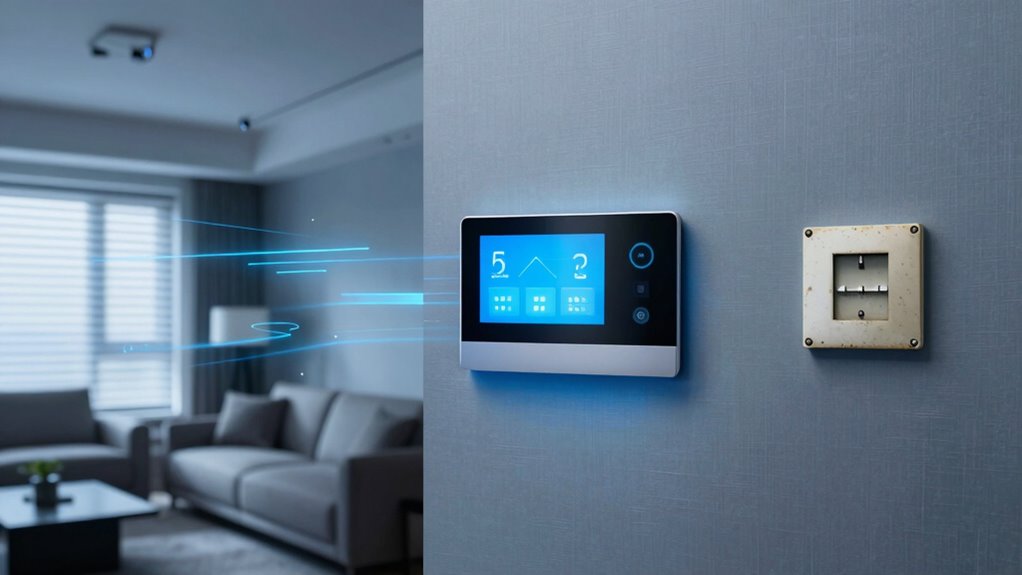
If the gilded promise of “smart” technology ever had a soul, it has since been thoroughly sold to the altar of surveillance capitalism and LED-lit vanity. Take Nest’s Farsight, for instance—a feature ostensibly designed to grace your humble thermostat with a predictive digital visage, only to peddle you another layer of techno-gloss while scrutinizing your every breath within ten feet. Farsight, powered by the embedded Soli chipset, detects your encroaching presence and flicks the thermostat’s screen from lethargic dormancy into an ostentatious display mode, flaunting its minimalistic charm from afar and then ratcheting up detail as you limp closer, as if proximity bestows merit in this Sisyphean worship of gadgets. Initially launched with four faces, this feature has since expanded to include eight unique Farsight Faces, enhancing how users interact with their thermostats. It is important to note that Farsight is not available on the Nest Thermostat E, which marks a clear distinction among Nest devices.
Nest’s Farsight: a techno-glossy peacock, glaring at you while stalking every step within ten feet.
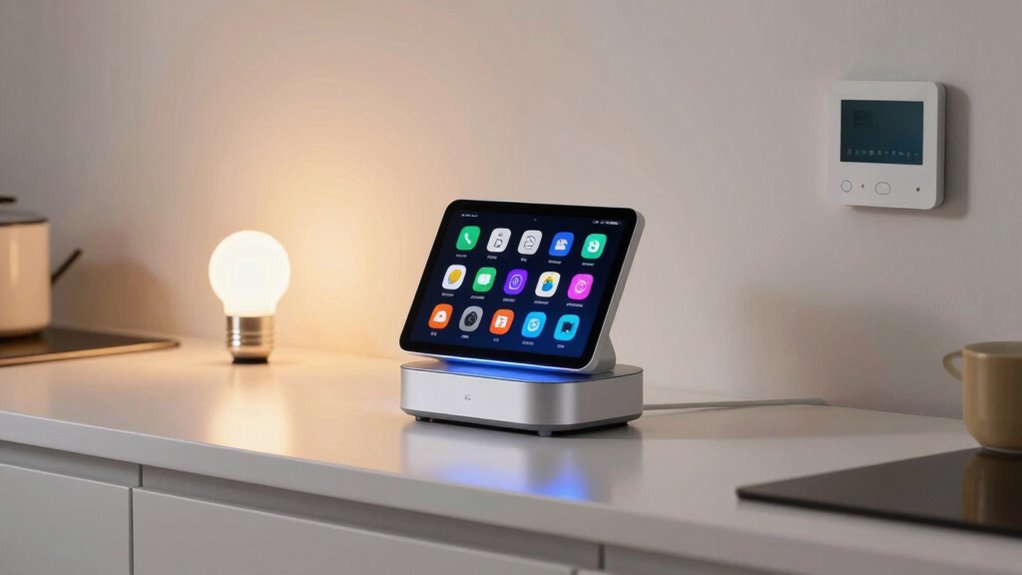
This ostensible “smart” display won’t just offer you the temperature—it grants you access to a digital pantheon of faces: eight in total, to be precise, ranging from the miserly minimal face to the whimsical Seasonal Art face with its monthly animated illustrations. Far too many choices to distract you from the gaping emptiness of the IoT ecosystem, where each design is a Petri dish of narcissism, especially when the Nest Classic face smugly showcases the very thermostat’s desired temperature and current operation—because nothing says ‘progress’ like staring at a glorified mercury column, albeit in digital form. The 4th Generation Nest Learning Thermostat takes this vanity to new heights with its 60% larger display compared to previous models.
The Farsight screen boldly proclaims target temps, current modes, local weather conditions, and even the time—digital or analog, because apparently nostalgia sells. Its expansive font sizes make sure your far-flung glances are rewarded with legibility, transforming your thermostat into a digital billboard screaming for attention as you pass by. Nearby, custom options lurk within three to five feet, permitting users to parade their indoor air quality metrics, humidity frustration, or the vaguely meaningful Nest Temperature Sensor readings.
Configuration, a Kafkaesque ritual requiring the Google Home app or fiddling with the thermostat ring, allows toggling Farsight on or off and choosing faces as if personality was just another menu item. Available only on select Nest models, this feature—rolled out as recently as October 2025—cruelly mocks users of the less fortunate Thermostat E, illustrating once again how tech exclusivity cloaks mundane novelties in a veneer of elitism.
Meanwhile, the learning thermostat continues its Sisyphean task to optimize energy efficiency, as if the ghost in its machine isn’t chasing users through a labyrinth of pointless customization and surveillance. Welcome to Farsight: where your thermostat stares back, and liberty stares out the window.
Frequently Asked Questions
Does Farsight Work With All Nest Camera Models?
Farsight does not work with any Nest camera models. It is exclusively a feature of the Nest Learning Thermostat, operating independently and not integrated with or activated by any Nest cameras or other Nest smart home products.
Can Farsight Alerts Be Customized for Different Zones?
Farsight alerts cannot be customized for different zones. The feature functions independently from Activity Zones, which provide zone-specific alerts only for camera and doorbell devices, not thermostats or the Farsight display system.
Is Farsight Available Internationally or Only in Certain Countries?
Farsight is available primarily in nine countries, including the United States, Canada, and select European nations. Outside these regions, the feature operates with limited functionality due to unavailable location and weather data, restricting full access.
How Does Farsight Affect Nest Battery Life?
Farsight minimally impacts Nest battery life by activating the display only upon nearby motion detection, entering sleep mode otherwise. Customizable display options and alert priorities balance power consumption with functionality, optimizing energy efficiency while preserving essential notifications.
Can Multiple Users Receive Farsight Notifications Simultaneously?
Yes, multiple users can receive Farsight notifications simultaneously through Family Accounts on Nest. Each user can customize individual notification preferences, ensuring alerts reach all designated household members without interference across supported devices like thermostats and locks.
References
- https://support.google.com/googlenest/answer/16633204?hl=en
- https://9to5google.com/2025/10/31/google-nest-learning-thermostat-faces-how-to-use/
- https://www.googlenestcommunity.com/t5/Nest-Thermostats/Display-current-temperature-with-Farsight-not-working-on-Gen-3-Nest/m-p/309508
- https://www.youtube.com/watch?v=_qvVFT02tC4
- https://blog.google/products/nest/new-views-farsight/
- https://indoortemp.com/resources/google-nest-farsight-thermostat-review
- https://www.techbuzz.ai/articles/google-nest-gets-artist-designed-faces-in-smart-home-push
- https://www.youtube.com/watch?v=13kUs1oeVhE
- https://support.google.com/googlenest/answer/9207697?hl=en
- https://www.youtube.com/watch?v=7NxG66TFJ5w