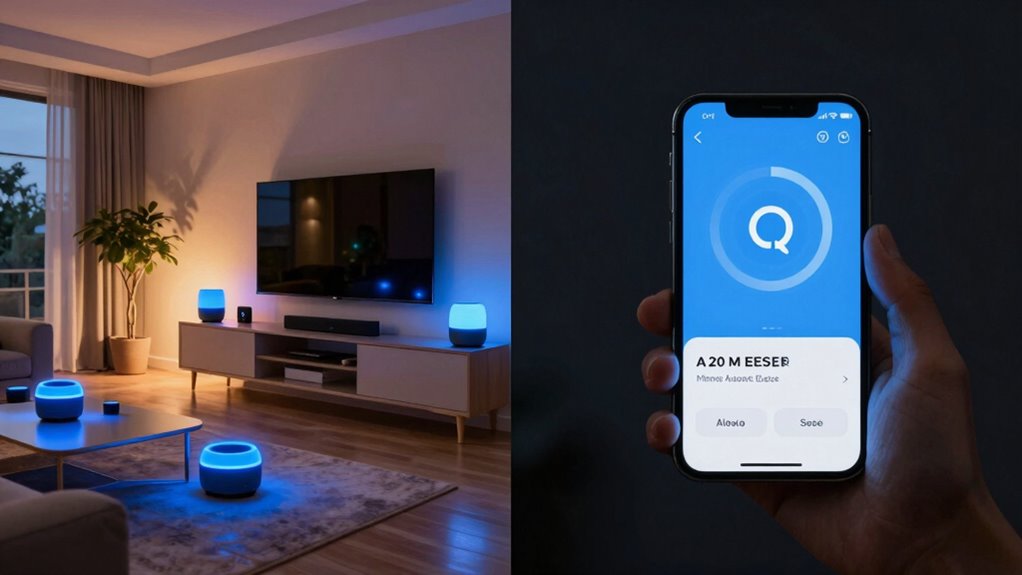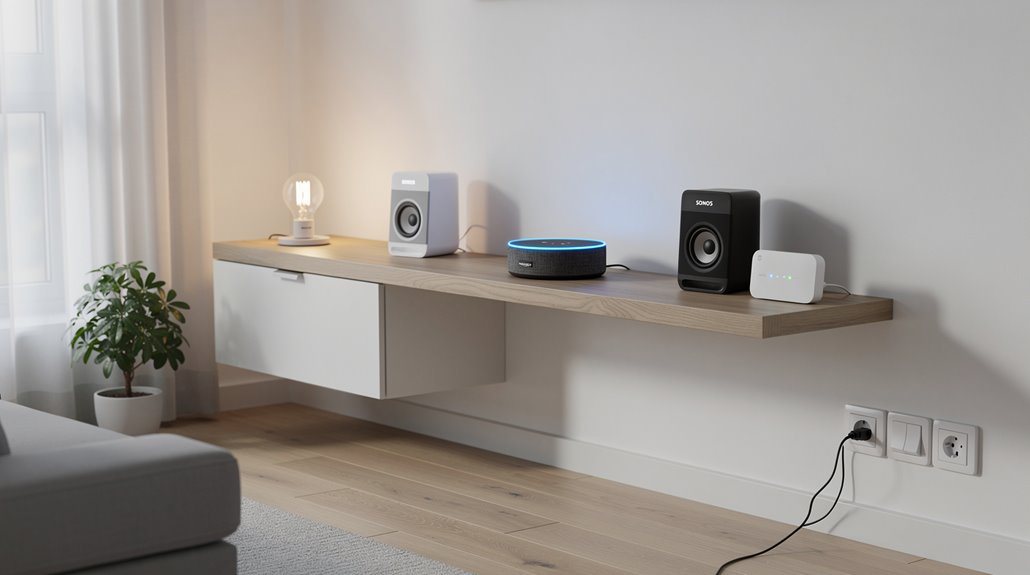

Alexa “compatibility” means a suffocating stew of overpriced Sonos speakers, blinkered SimpliSafe kits, and the omnipresent Philips Hue bulbs—each promising seamless smart-home nirvana while delivering protocol confusion and overpriced junk. Echo devices masquerade as hubs but often act like gatekeepers, begrudgingly supporting Zigbee, Z-Wave, WiFi, Bluetooth, and your patience. From Kasa’s uninspired plugs to Ring’s alarm bluster, the ecosystem is a gilded cage. Those brave enough may find the real dirt lurking beneath this synthetic utopia.
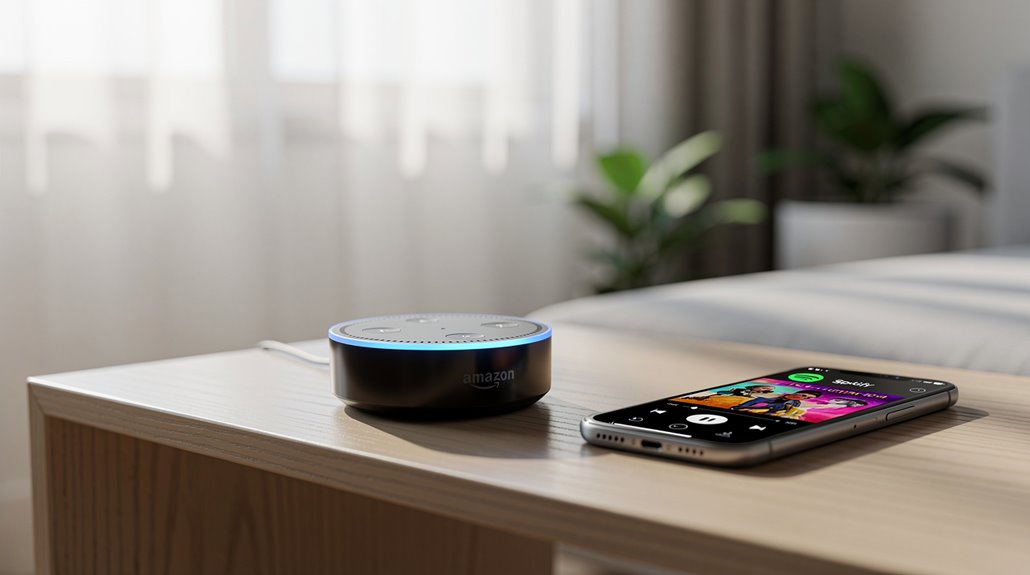
In an era when even toasters proudly boast of being “smart,” Alexa compatibility has become less a luxury and more a cosmic joke foisted upon unsuspecting consumers. Witness Amazon Echo devices, those ubiquitous gadgets—Echo Dot, Echo Studio, Echo Show—stuffed with Alexa integration as if voice servitude were the height of human achievement. By June 2020, Alexa-compatible smart home devices had impressively reached a total of 100,000 devices, highlighting the vast ecosystem Alexa has cultivated.
And lest one despair that genius was confined to Amazon’s walled garden, third-party audio companies like Sonos, Audio Pro, Bang & Olufsen, and Denon leap into the fray, guaranteeing even the pretentious can parade a “smart” speaker. Sonos’ Era 100 and Era 300 audaciously claim elevated status with “premium Alexa-enabled” prowess while Beosound A1 parades as a portable siren luring Wi-Fi survivors into the endless void of voice commands. These models have been tested extensively to ensure a seamless Alexa integration experience.
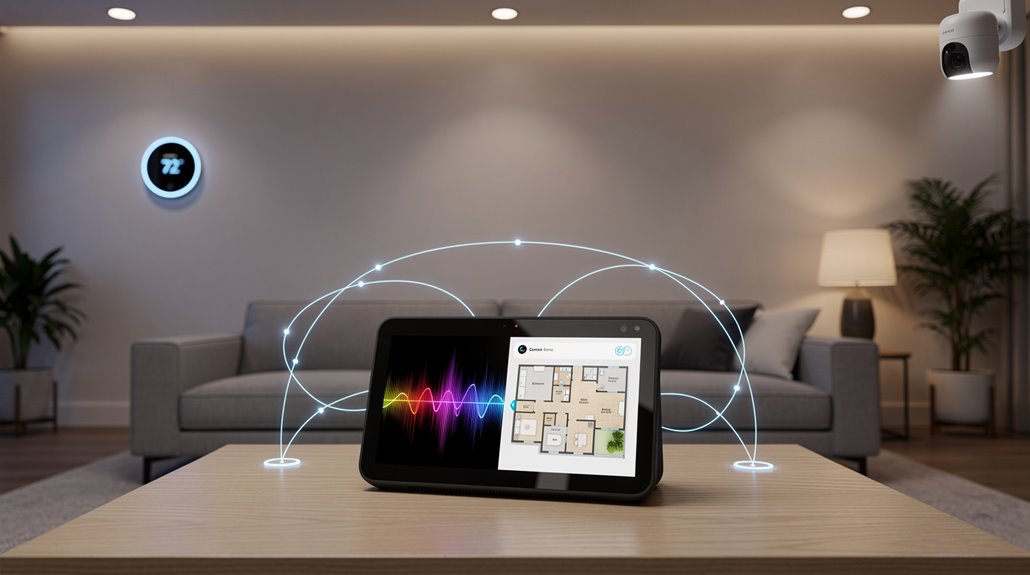
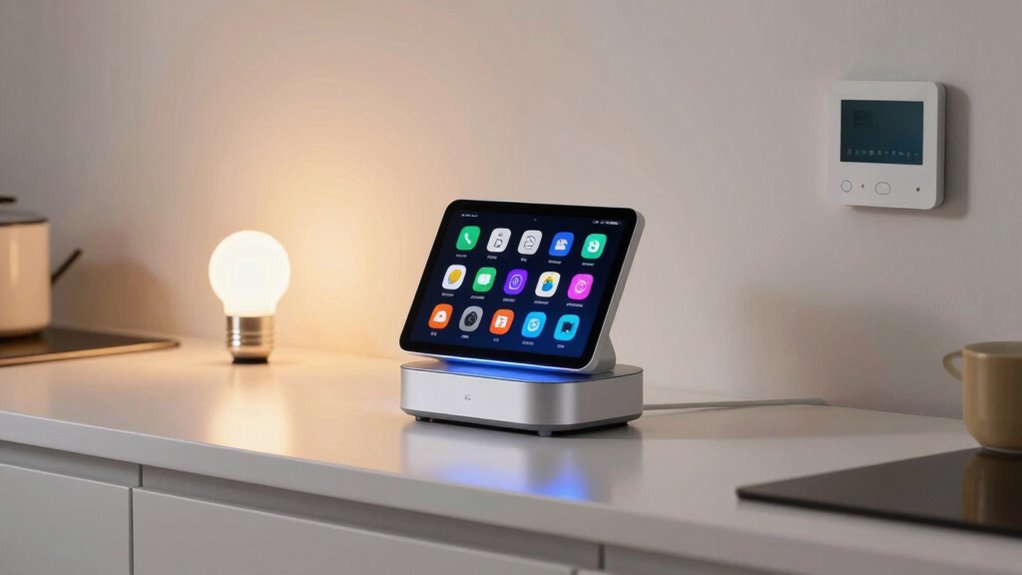
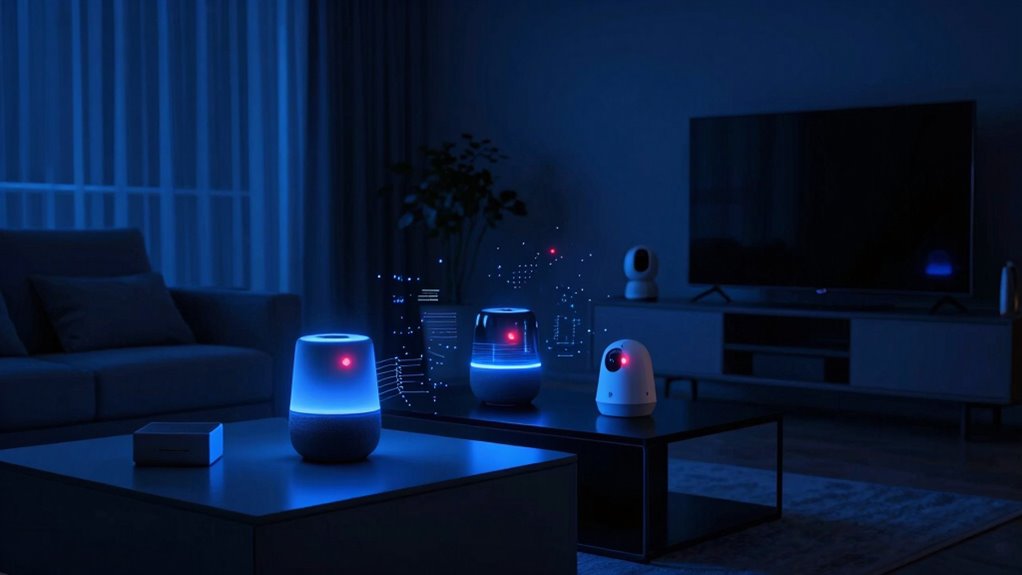
Smart home hubs trumpet their connectivity, bursting with Bluetooth, WiFi, Zigbee, and Z-Wave like confused technocrats jamming every communication protocol possible into one box just to justify their existence. The Amazon Echo 4th Generation Smart Hub notably supports Zigbee, Bluetooth, and WiFi, enabling broad compatibility across smart devices.
Smart home hubs cram every protocol imaginable, desperate to prove they’re essential rather than just confusing clutter.
Samsung’s SmartThings Hub v3 shamefully sports USB and ethernet ports, because heaven forbid a hub is ever truly “smart” without cables snaking behind furniture. Google WiFi joins in, promising whole-home mesh networking up to 4,500 feet, presumably to guarantee Alexa can eavesdrop everywhere. These hubs claim centralized command over the smart home, though one suspects a desperate scramble to wrest control from the user.
Security systems are no saints in this technocratic circus. SimpliSafe’s DIY kits sneer with affordability at $249.96, while Ring Alarm tries to one-up with the “best Alexa compatibility” starting at $199.99. Security cameras like Eufy Floodlight Cam E340 offer color night vision without the indignity of subscription paywalls.
Meanwhile, professional installers Vivint and Frontpoint ply their trade gowning Alexa in two-way audio—because privacy was so last century. ADT offers sprawling packages, wrapping lights, locks, thermostats, and water monitors into this Orwellian ecosystem.
Lighting and switches take the farce further. Philips Hue bulbs strut as the “best-in-class” Alexa-compatible solutions, though consumers remain chained to schedules dictated by Kasa Smart Dimmer Switches and staggering arrays of price-point options.
Smart plugs from Kasa and Amazon ingeniously retrofit ancient appliances for voice control, transforming existential dread into “Away Mode” automated paranoia.
Frequently Asked Questions
Can Alexa Work Offline Without Internet?
Alexa can operate offline on select Echo devices with built-in smart hubs, allowing basic voice control for paired smart home devices, alarms, and reminders. However, many advanced features require internet connectivity to function properly.
Is Alexa Compatible With Smart Home Security Systems?
Alexa is compatible with numerous smart home security systems, including SimpliSafe, Ring Alarm, and ADT. It supports voice control for devices like cameras, locks, and sensors, enabling thorough remote monitoring and management via Alexa-enabled devices.
Can Alexa Control Non-Amazon Smart Devices?
Alexa can control non-Amazon smart devices through dedicated skills and developer tools, supporting various interfaces like cloud integration or local connections. Many third-party devices, including lights and cameras, achieve compatibility via the “Works with Alexa” certification badge.
Does Alexa Support Multiple User Voices?
Alexa supports multiple user voices through Voice Profile Recognition, enabling up to six household members to create personalized experiences. Voice profiles allow tailored interactions, including customized calls, reminders, music, and news, enhancing multi-user functionality within a single device.
How Secure Is Alexa With Personal Data?
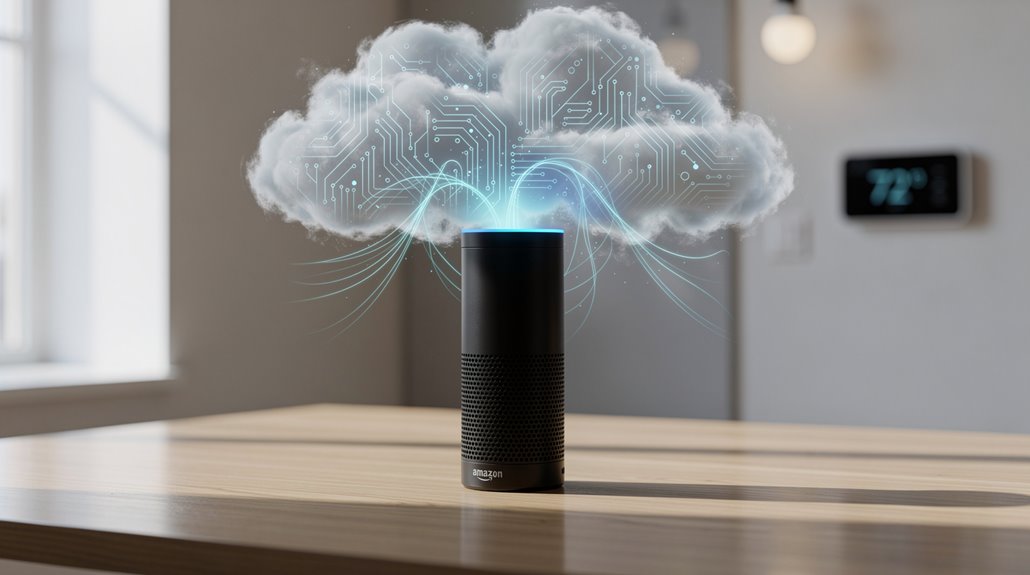
Alexa employs AES-256 encryption, PCI DSS compliance, and regular third-party cybersecurity audits to protect personal data. Despite these measures, voice recordings are sent to Amazon’s servers, limiting user control and exposing data to human review.
References
- https://www.whathifi.com/best-buys/best-alexa-speakers-the-best-alexa-enabled-smart-speakers
- https://www.smartmove.us/learn/devices/a-comprehensive-list-of-alexa-smart-home-devices
- https://www.security.org/home-security-systems/best/alexa/
- https://www.gearbrain.com/amazon-echo-2025-smart-speakers-alexa-plus-2674168912.html
- https://www.safewise.com/alexa-compatible-devices/
- https://www.bestbuy.com/site/home-security-safety/works-with-amazon-alexa/pcmcat1506096897353.c?id=pcmcat1506096897353
- https://www.howtogeek.com/732835/how-to-use-alexa-offline-with-smart-home-devices-using-echo/
- https://vocal.media/01/how-to-use-the-alexa-offline-even-echo-isn-t-connected-to-wi-fi
- https://brinkshome.com/smartcenter/will-amazon-alexa-work-without-wi-fi
- https://www.youtube.com/watch?v=Q9sEfNYFzpM