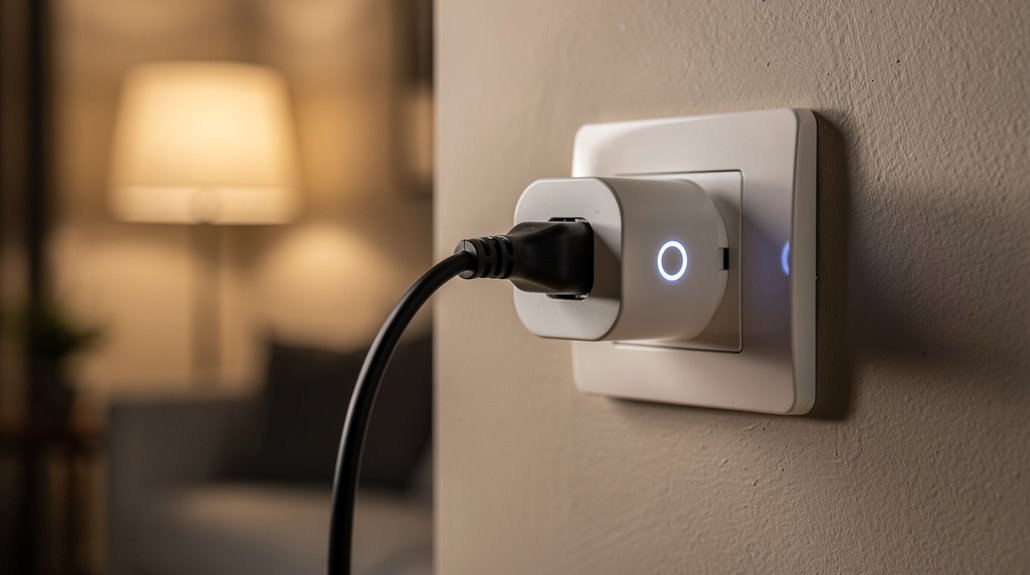
Smart plugs, the Trojan horses of modern convenience, pretend to simplify life while converting harmless toasters and lamps into relentless data farms, obediently chatting with Alexa or Google Assistant like masochistic informants. Cloaked in Wi-Fi or Zigbee, they promise control but demand surrender to surveilling cloud overlords, fostering guilt and dependency over energy “waste.” Forget unplugging—these devices are a gateway drug to “smart” captivity. The maddening truth behind their charm awaits uncovering.
While the world hurtles headlong into a so-called “smart” future, one marvels at society’s unparalleled talent for complicating the simple—hence the rise of the smart plug, that inconspicuous marvel designed to retrofit dumb appliances into internet-connected relays of consumer anxiety.
These tiny devices, masquerading as mere electrical sockets, apparently hold the key to converting toasters, lamps, and who knows what else into harbingers of digital surveillance and inexhaustible notifications. Cloaked in the deceptive veil of “smartness,” they connect standard outlets to the sprawling, intrusive smart home ecosystem, promising effortless ease while quietly installing yet another layer of complexity into daily life.
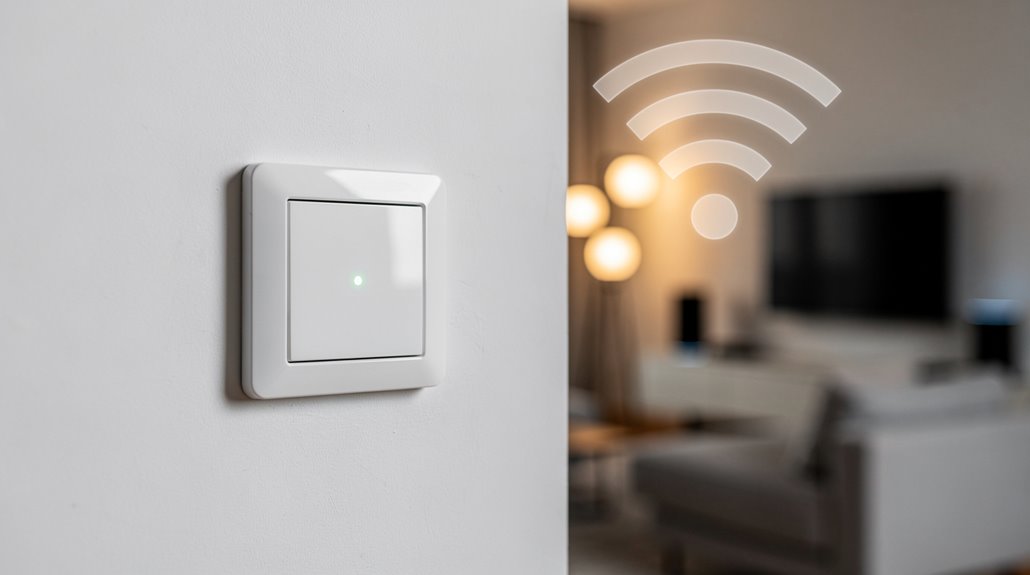
Smart plugs, or smart sockets if you prefer the euphemism, rely on wireless technologies, including Wi-Fi, Zigbee, and the infamously opaque Z-Wave. They provide remote control and automation capabilities, enabling management of household appliances via smartphone apps or voice commands. Most models also include energy-monitoring features to help users track electricity consumption and potentially reduce waste.
Apple’s beloved, and simultaneously decried, Bluetooth Low Energy also makes cameo appearances here. These protocols, each boasting distinct benefits—be it range, power thriftiness, or the necessity of a separate hub—inject the modern age’s fondness for proprietary nonsense right into one’s living room.
Wi-Fi models flaunt their direct connectivity, seducing users with seamless smartphone control and obligatory voice assistant integration, a.k.a. handing Amazon Alexa or Google Assistant the keys to the kingdom of electricity usage.
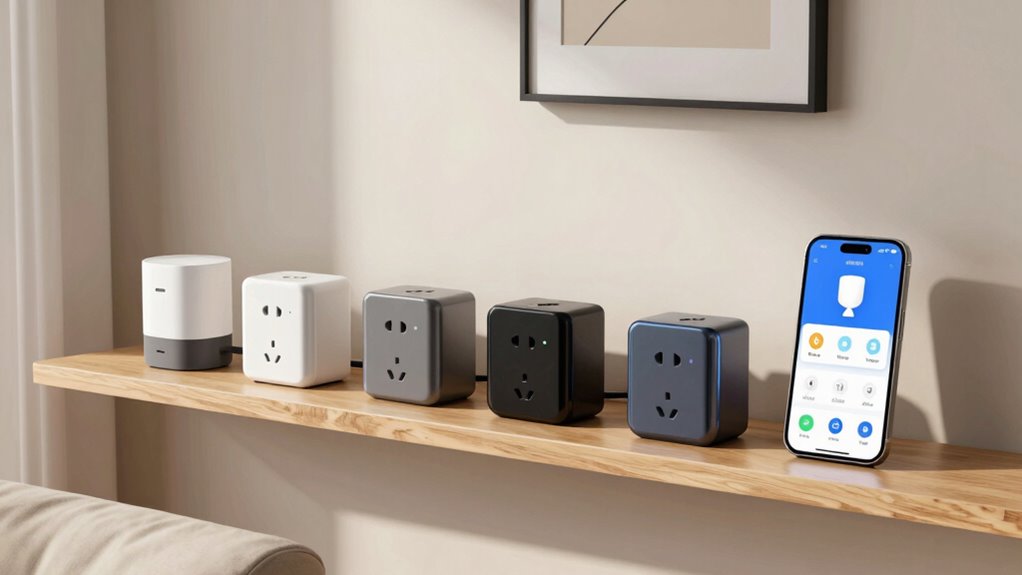
Speaking of control, these plugs afford smartphone-based manipulation so intimate yet so needless: turning appliances on or off with a swipe or command, scheduling lamps to illuminate lonely corners when one’s “in range,” or integrating with other smart gizmos for theatrical home automation rituals.
The convenience is alleged; the reality is an ever-widening circle of dependence cloaked in apps and cloud servers.
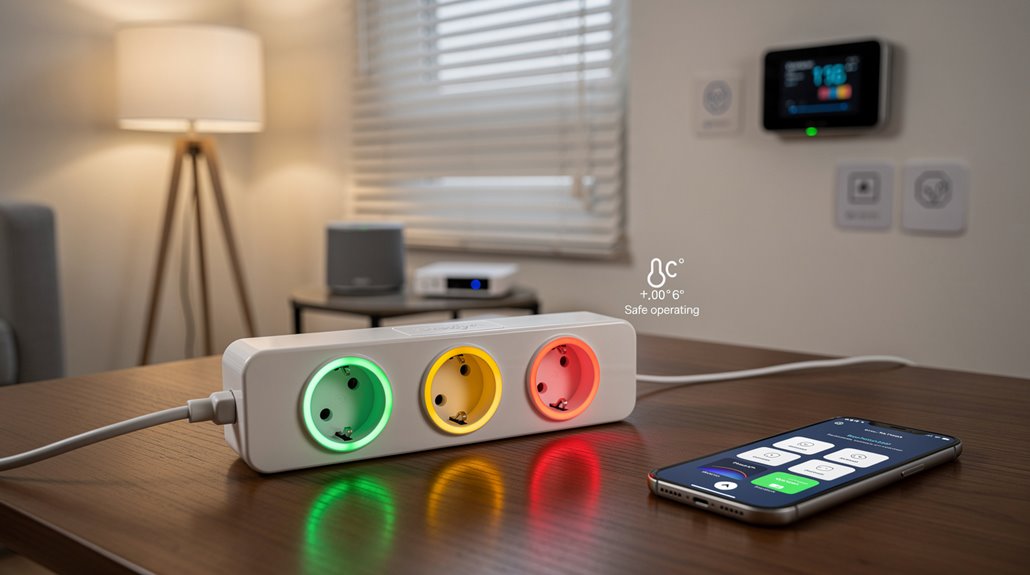
Further pandering to consumer guilt, advanced plugs tout energy monitoring capabilities aimed at exposing power-hungry offenders like your fridge or that guzzling space heater.
Supposedly, enlightenment on energy excess will spur frugality, though in practice, it just generates more alerts begging for attention.
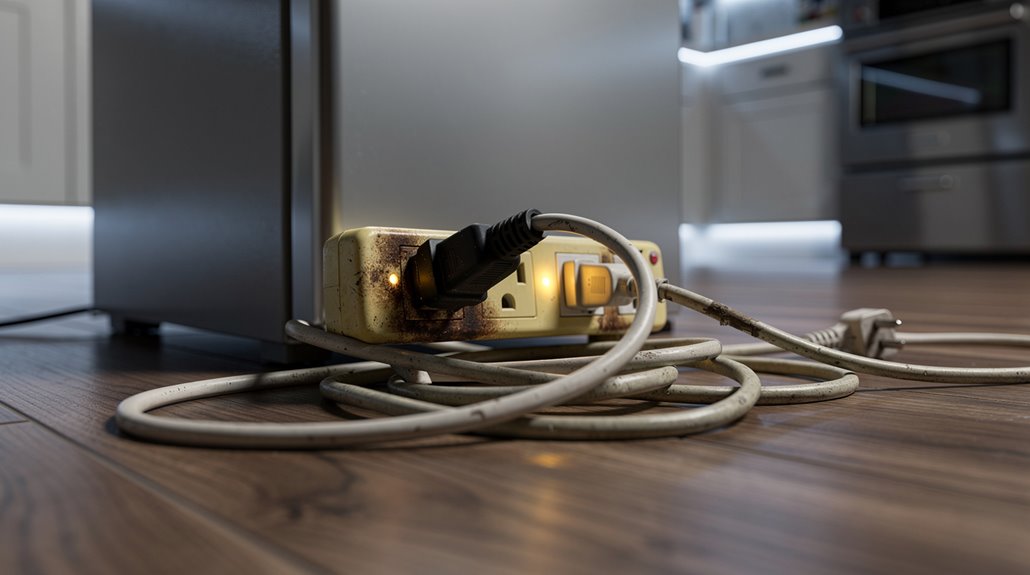
Safety features, such as overload protection, punctuate the sales pitch, a reminder that even in the brave new world, constant threat lurks behind convenience.
Frequently Asked Questions
Can Smart Plugs Help Save Energy Bills?
Smart plugs effectively reduce energy bills by cutting standby power, enabling scheduling, and monitoring consumption. They deliver significant savings on high-draw devices, achieving quick payback periods and enabling long-term cost reduction through data-driven appliance management.
Are Smart Plugs Compatible With All Home Devices?
Smart plugs are not universally compatible with all home devices. Compatibility depends on ecosystem support, protocols used (Wi-Fi, ZigBee, Thread), and app requirements, with multi-platform options limited and some devices needing specific hubs or bridges for integration.
Do Smart Plugs Require a Hub or Central Controller?
Some smart plugs connect directly to Wi-Fi without a hub, offering broad compatibility and remote control. Others use Zigbee or Z-Wave protocols, requiring a hub for mesh networking, improved reliability, and lower power consumption.
How Secure Are Smart Plugs From Hacking?
Smart plugs are frequently vulnerable to hacking due to unencrypted data, known firmware flaws, and rare updates. Their constant online presence and weak security protocols expose networks, making them common targets for denial-of-service attacks and botnet exploitation.
Can Smart Plugs Operate Without Wi-Fi Connectivity?
Smart plugs typically cannot operate without Wi-Fi connectivity for remote control and scheduling, but some retain local schedules and manual controls. Certain models support offline operation via local networks, while others depend fully on cloud servers.
References
- https://www.aidot.com/blog/post/guide-on-smart-plugs
- https://www.roombanker.com/blog/what-is-a-smart-plug/
- https://www.ineffect.net.au/smart-plugs/
- https://www.gelighting.com/smart-home/plugs/how-it-works
- https://www.ohmconnect.com/blog/smart-home/how-do-smart-plugs-work-a-beginner-s-guide-to-automating-energy-savings
- https://www.asurion.com/connect/tech-tips/smart-plugs-what-they-do-and-how-to-best-use-them-in-your-home/
- https://www.aqara.com/us/blog-us/what-is-a-smart-plug-and-how-does-it-work/
- https://www.youtube.com/watch?v=8CvKkvIBcUg
- https://hubitat.com/blog/559194210347-do-smart-plugs-use-a-lot-of-electricity-a-comprehensive-guide
- https://lifestyle.sustainability-directory.com/learn/do-smart-plugs-themselves-consume-a-significant-amount-of-energy/