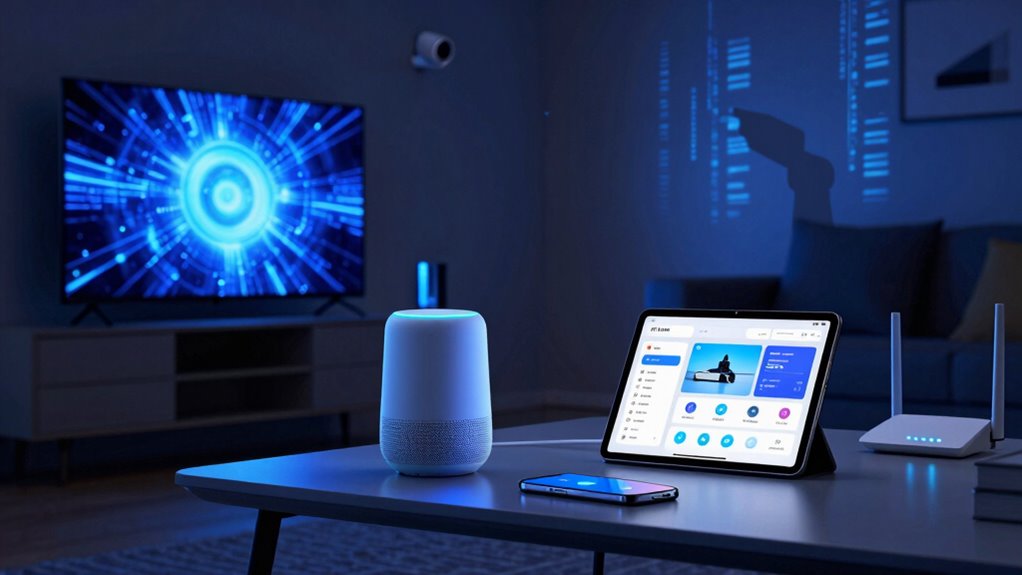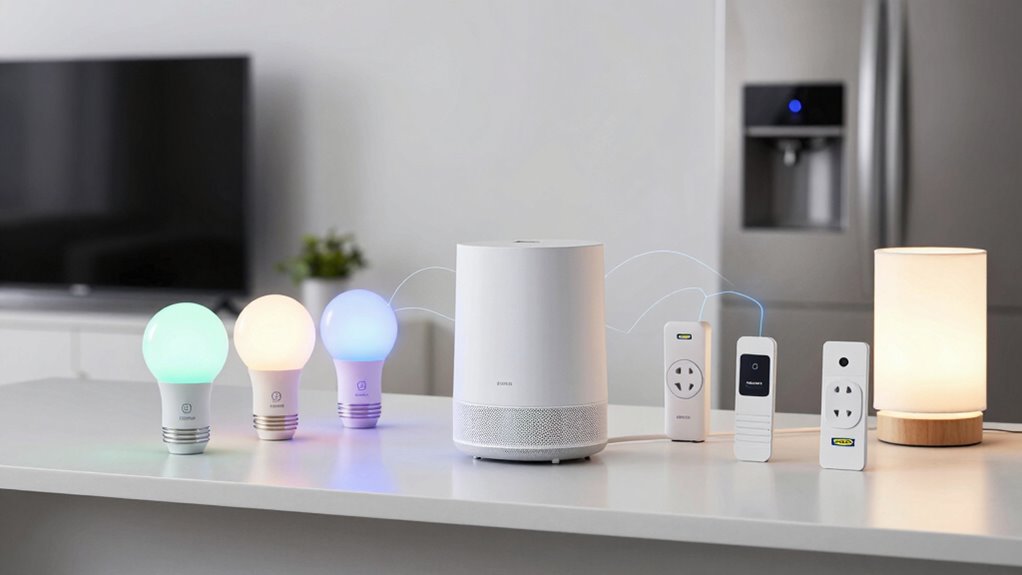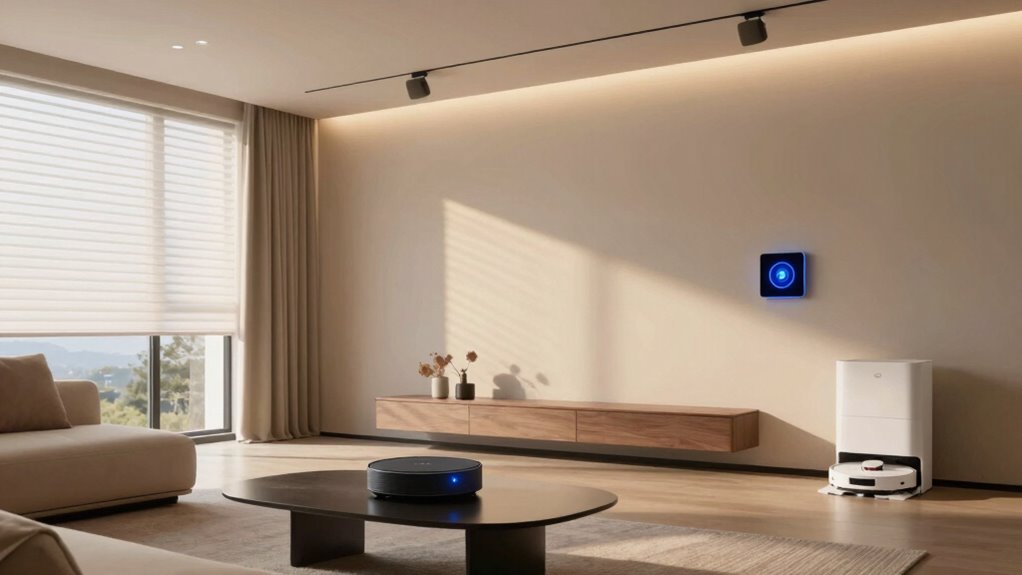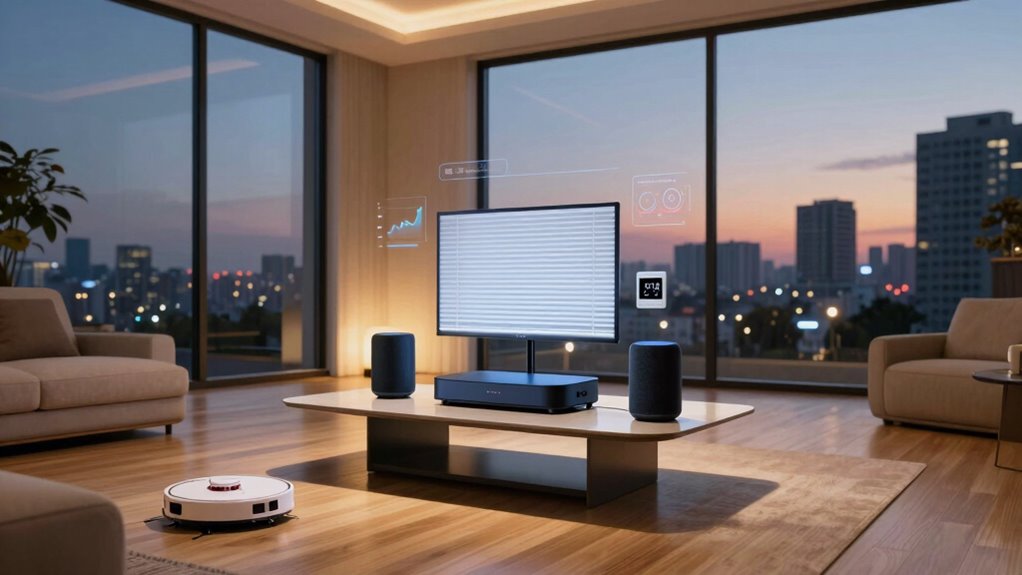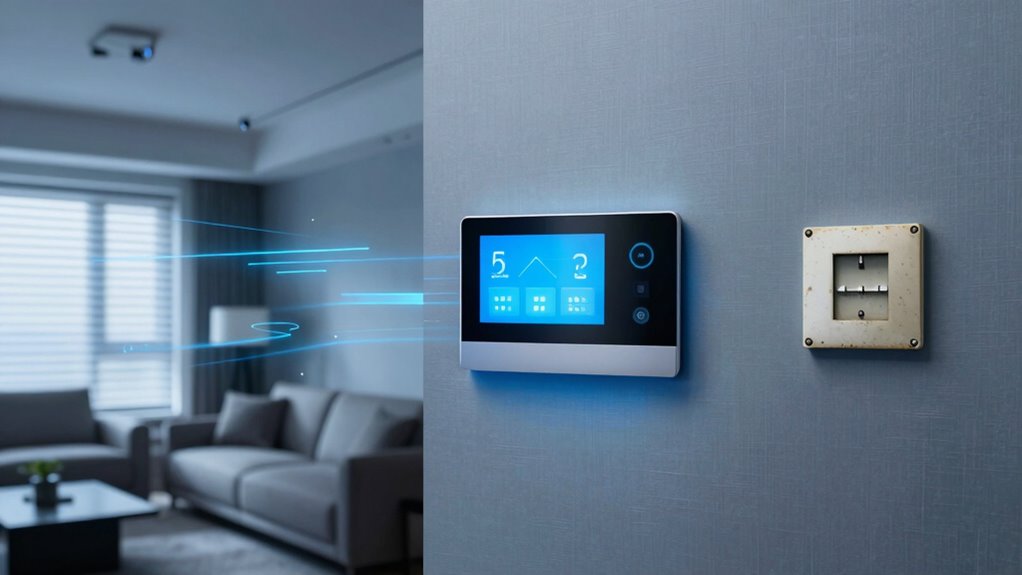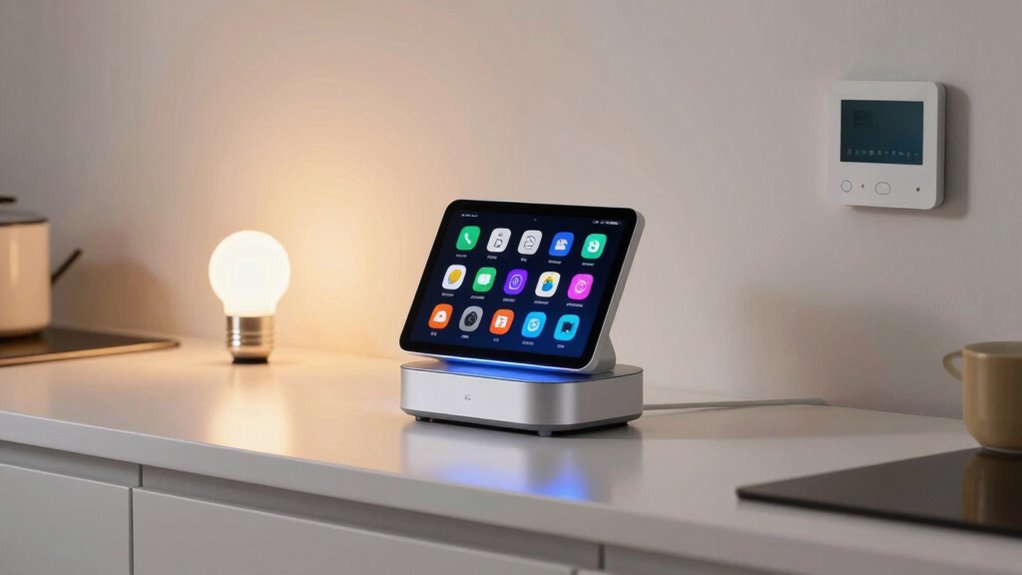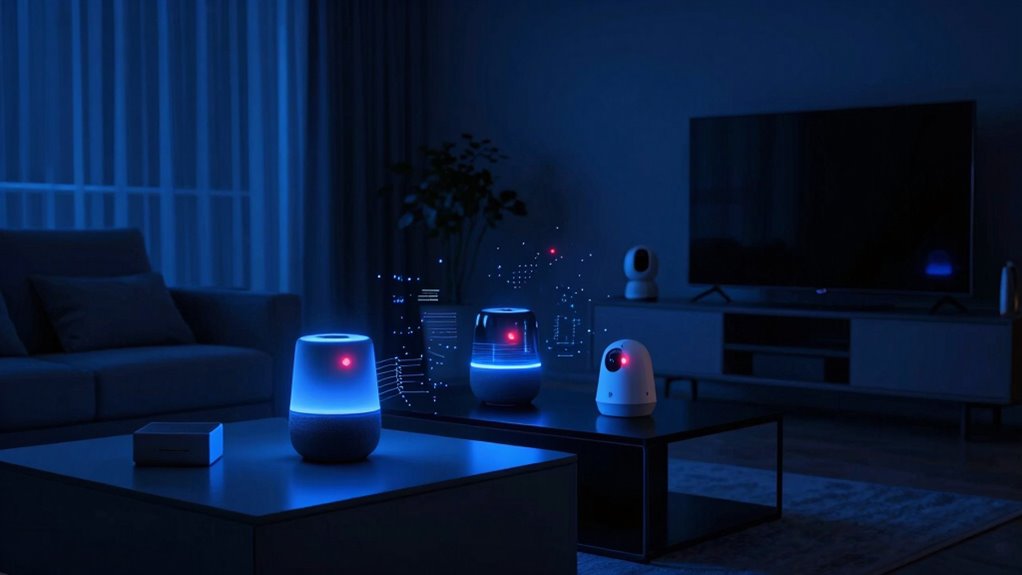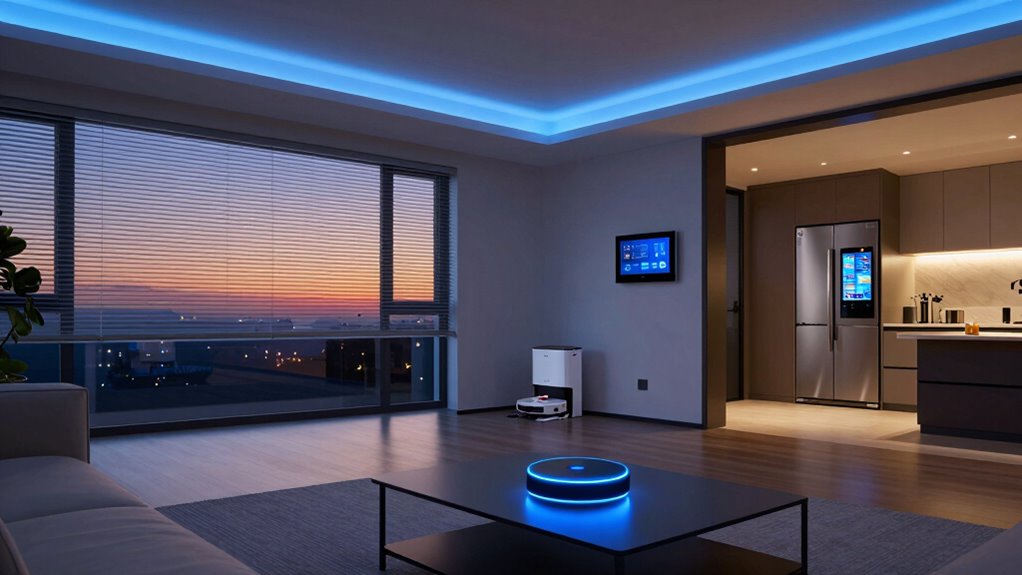
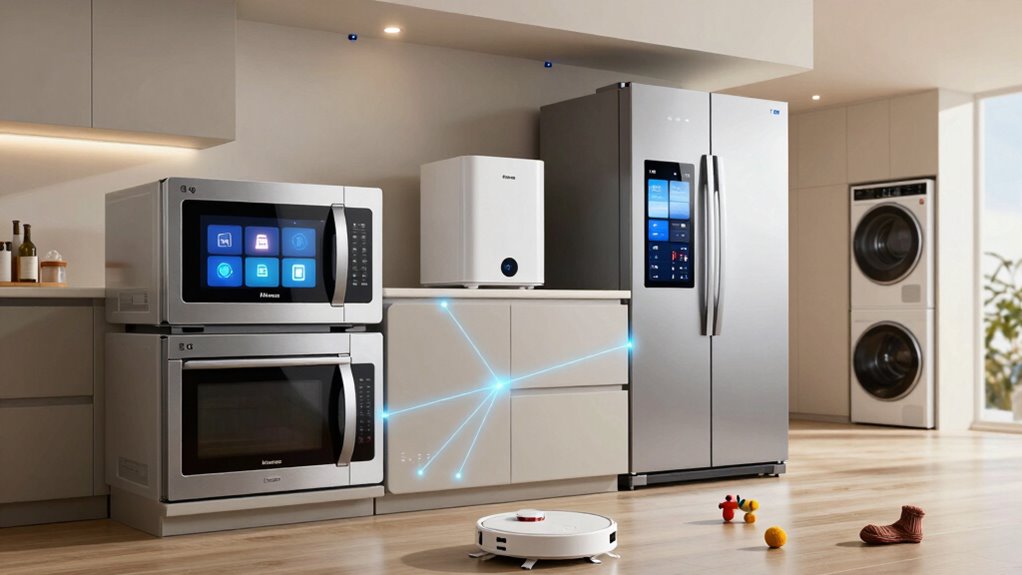
While most of us are still trying to remember where we left our keys, our homes are getting smarter—way smarter. Smart devices aren’t just for tech geeks anymore; they’ve sneaked into everyday life like a quiet houseguest who suddenly starts doing all the chores. From voice-controlled lights to fridges that nag you about expired yogurt, household trends have shifted hard toward connected living.
And it’s not just a fad—over57% of U.S. homes will have at least one smart gadget by2025, with projections jumping to77.6% that same year. By2029, a whopping92.5% of households might be waving hello to their thermostats.
The numbers? They’re booming. The U.S. smart home market hit $28.30 billion in2024 and is sprinting toward $33.26 billion in2025. By2032, it could top $99.40 billion. That’s more growth than a teenager on a protein shake binge.
And while the average number of connected devices per home dipped from8 to6.2 post-pandemic, experts predict it’ll bounce back to15–20 by2025. People aren’t just buying one toy and calling it quits—they’re building whole ecosystems. Think of it like Legos, but for lazy convenience.
Millennials are leading the charge, with47% already rocking smart speakers or automated lights. Gen X isn’t far behind, and even some Baby Boomers are dipping a toe in—though over half of those55+ say, “No thanks, I’ll open my own blinds, very much.”
Connectivity is expanding rapidly, with the U.S. projected to reach 93.59 million active smart home households by 2027.
And yes,82% of men in the U.S. own at least one device, compared to49% of women—maybe because men still think yelling at a smart speaker counts as “tech mastery.”
Connecticut’s the smart home champ, with nearly28% of homes online, while Alaska’s still warming up—literally and digitally. The adoption of local-first architecture significantly enhances privacy protection while reducing dependence on cloud services for everyday smart home functions.
But the future’s loud and clear: universal protocols like Matter mean devices will finally play nice, AI helpers will be in75% of homes, and health-monitoring tech might soon know you better than your doctor—or your mom. The revolution’s not coming. It’s already unplugged your toaster. A key driver of this shift is the rise of AI-powered predictive automation, enabling homes to anticipate needs through behavioral prediction.
References
- https://digitalholics.com/the-future-of-smart-home-technology/
- https://scoop.market.us/smart-home-statistics/
- https://www.market-xcel.com/us/blogs/smart-homes-american-lifestyle-trends
- https://www.fortunebusinessinsights.com/u-s-smart-home-market-107731
- https://www.statista.com/topics/6201/smart-home-in-the-united-states/
- https://www.parksassociates.com/blogs/digital-media-and-content-distribution/2025-smart-home-trends-cooling-off-period
- https://www.ashb.com/research/2025-smart-home-trends-technology-adoption/
- https://www.horowitzresearch.com/all/nearly-half-of-american-homes-have-smart-devices-higher-among-younger-and-multicultural-consumers/
- https://www.nist.gov/publications/survey-smart-home-users-security-and-privacy-perceptions-and-actions-device-category