Global ultra-luxury home automation market valued at USD 9.7 billion in 2024.
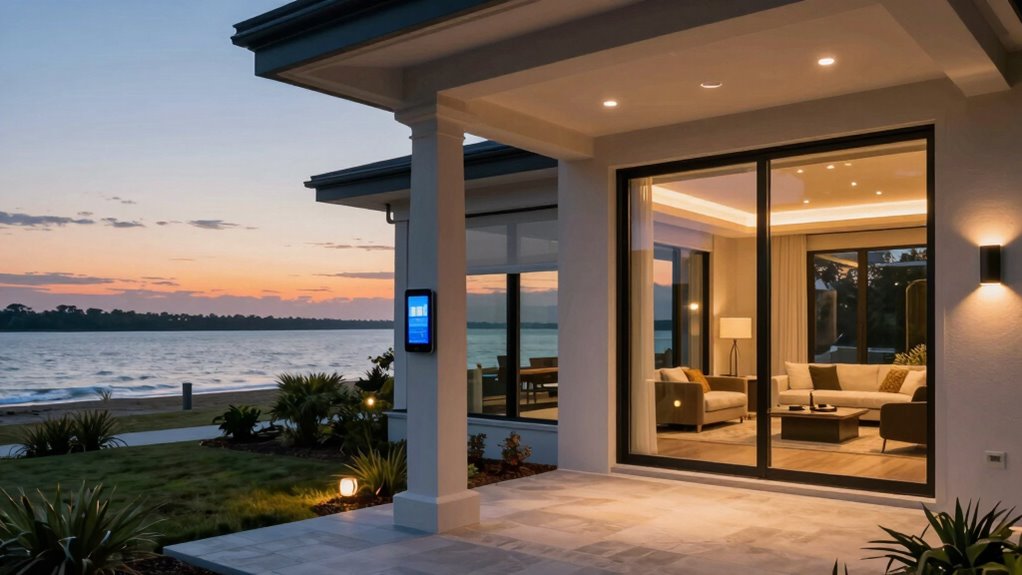
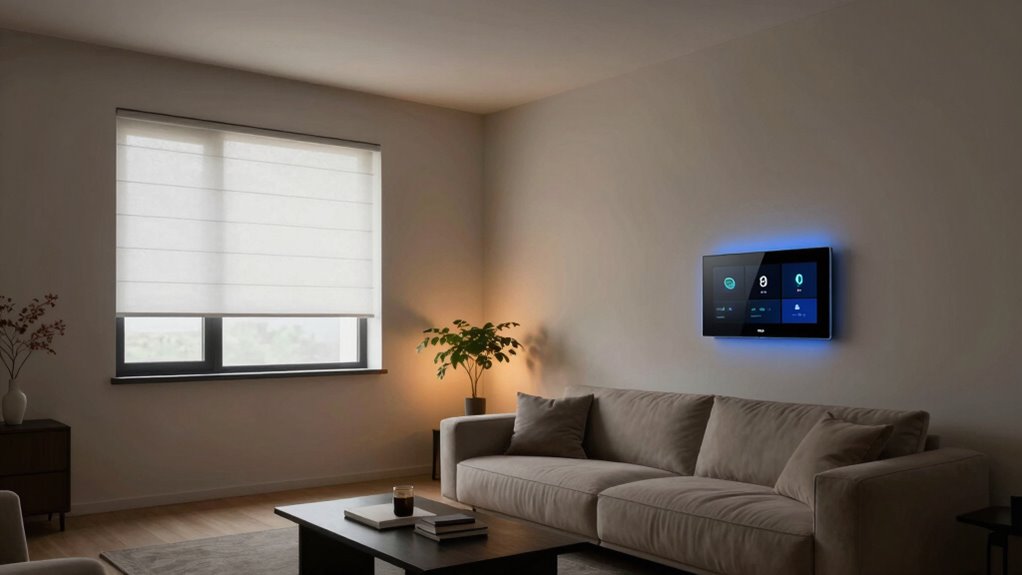
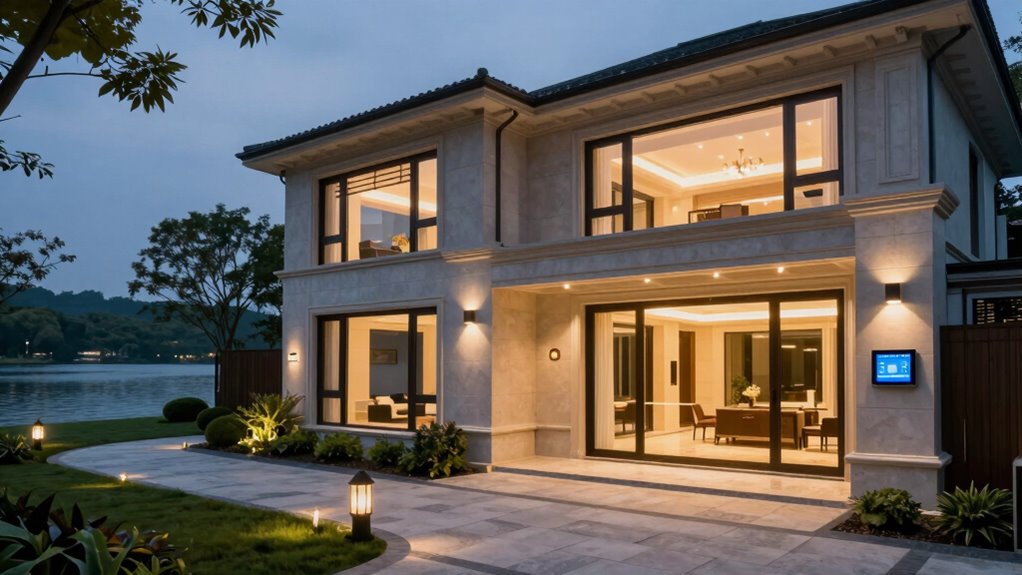
The global ultra-luxury home automation market was valued at USD 9.7 billion in 2024, signaling robust demand for intelligent, high-end living spaces.
Projected growth to USD 10.4 billion in 2025 and USD 19.4 billion by 2034.
CAGR of 7.2% from 2025 to 2034 for ultra-luxury segment.
Grew from USD 7.8 billion in 2021 driven by AI, IoT convergence.
North America leads due to high incomes, luxury real estate.
Smart home market size USD 123.46 billion in 2025.
Projected to reach USD 512.65 billion by 2035.
CAGR of 15.3% from 2026-2035.
USD 140.46 billion evaluated for 2026.
Alternative projection: USD 100.87 billion in 2025 to USD 253.87 billion by 2033 at 10.8% CAGR.
Asia Pacific fastest-growing in ultra-luxury due to urbanization, wealthy population.
US smart home market to increase by USD 6.47 billion from 2024-2029.
CAGR of 5.6% for US smart home market 2025-2029.
Middle East & Africa driven by luxury housing in South Africa, UAE, Saudi Arabia.
South Africa smart home market to reach USD 3.75 billion by 2025.
Wired systems hold 63.2% market share in ultra-luxury in 2024.
Wired segment CAGR over 6.6% from 2025-2034.
Direct distribution channel dominates with 66.3% share in 2024.
Direct segment CAGR over 6.9% from 2025-2034.
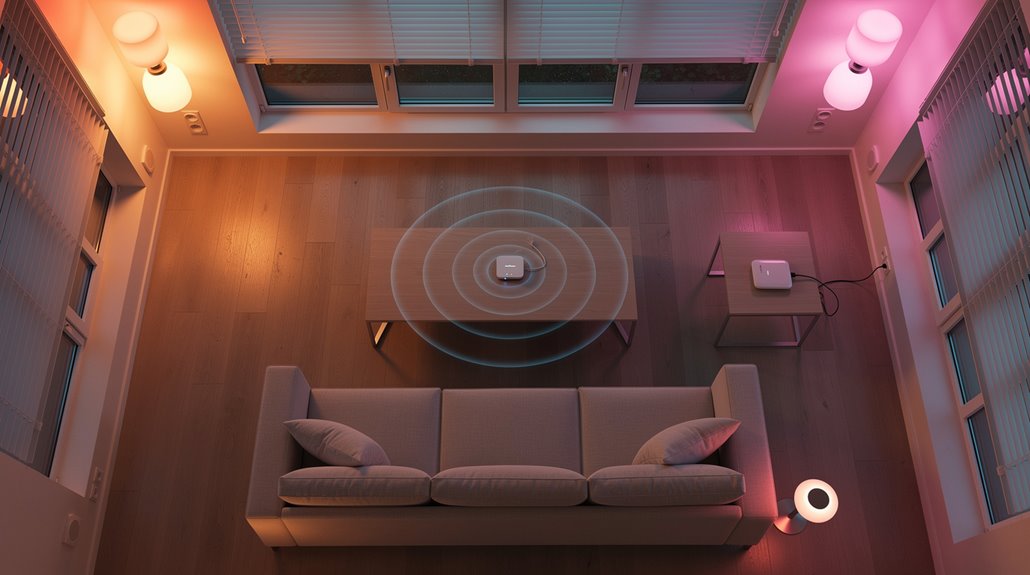
Wireless systems as key alternative technology type.
Smart home systems market to reach USD 140.2 billion by 2026 at 10.8% CAGR.
Global smart home USD 84.5 billion in 2024 to USD 116.4 billion by 2029 at 6.6% CAGR.
Smart home devices USD 179.73 billion in 2026 to USD 278.32 billion by 2034 at 5.62% CAGR.
Worldwide smart home revenue US$174.0 billion in 2025 with 9.55% CAGR to 2029.
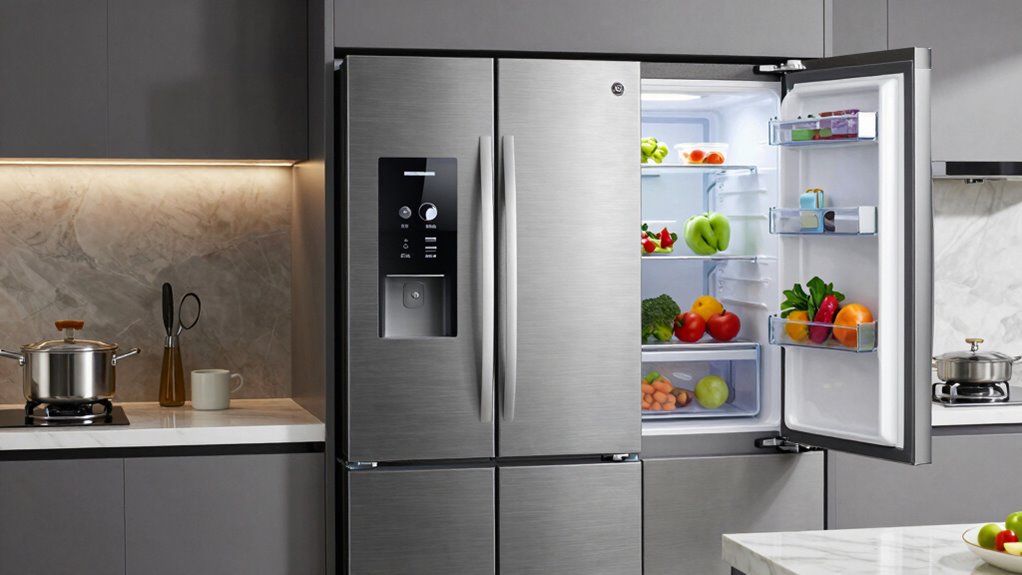
Smart kitchen segment highest growth due to connected appliances.
Luxury buyers demand smart appliances, energy management, security systems.
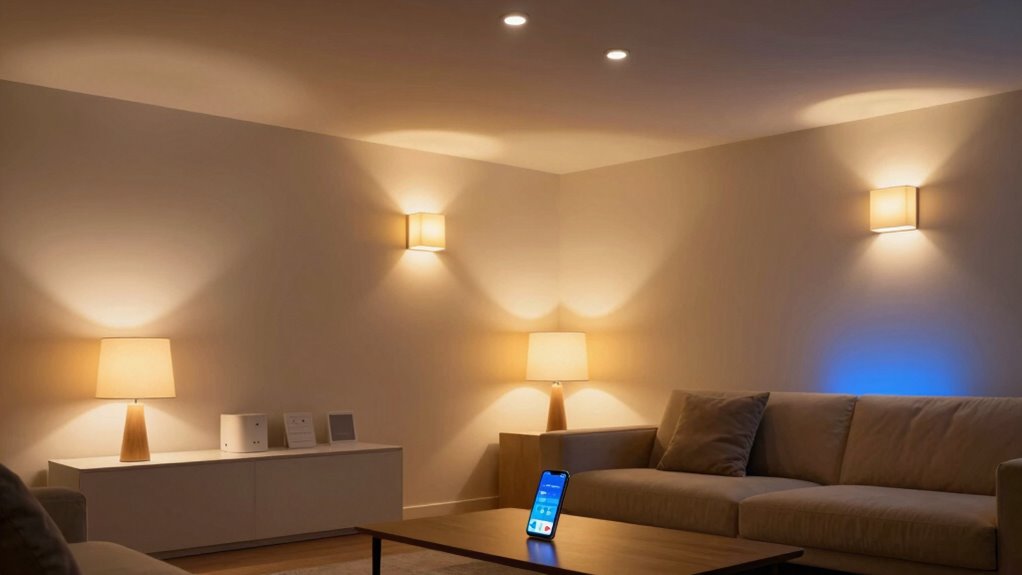
Advanced security, lighting, sound control, AI features standard.
Heated floors, motorized doors, bespoke outdoor spaces now norm.
Zero-energy-ready homes mentions up 70%, whole-home batteries up 40%.
EV charging mentions up 25%, sustainable descriptors up 21%.
Demand for comfort, security, sustainability in luxury real estate.
Tech-savvy clientele prioritizes convenience, customizability.
Digital transformation, smart city investments in Asia Pacific.
Rising online shopping for home goods in emerging markets.
Modern luxury properties now incorporate smart irrigation systems that automatically optimize watering schedules based on real-time environmental data, reducing water waste while ensuring landscape health.
Granular growth from USD 89.9 billion in 2025 to USD 116.4 billion in 2029.
The centralized automation segment dominates the ultra-luxury home automation market with a 47.8% share in 2024, offering enhanced reliability and scalability for high-end systems.
This growth is further supported by rising consumer focus on energy-saving features across premium smart home solutions.
References
- https://www.gminsights.com/industry-analysis/ultra-luxury-home-automation-market
- https://www.researchnester.com/reports/smart-home-market/6059
- https://www.skyquestt.com/report/smart-home-market
- https://www.technavio.com/report/smart-home-market-size-in-us-industry-analysis
- https://www.fnfresearch.com/smart-home-systems-market-by-system-lighting-control-506
- https://www.marketsandmarkets.com/Market-Reports/smart-homes-and-assisted-living-advanced-technologie-and-global-market-121.html
- https://www.veranda.com/home-decorators/design-trends/g69716856/luxury-housing-trends-2026/
- https://www.fortunebusinessinsights.com/smart-home-devices-market-112792
- https://www.startus-insights.com/innovators-guide/smart-home-market-report/
- https://www.statista.com/outlook/cmo/smart-home/worldwide