A whole lot of buzz, a dash of déjà vu, and just the right amount of “wait, didn’t we see this before?”—Meta’s back with the Quest 3S, basically the cool younger sibling of the Quest 3 that shows up to the party wearing the same outfit but paying half the cover charge.
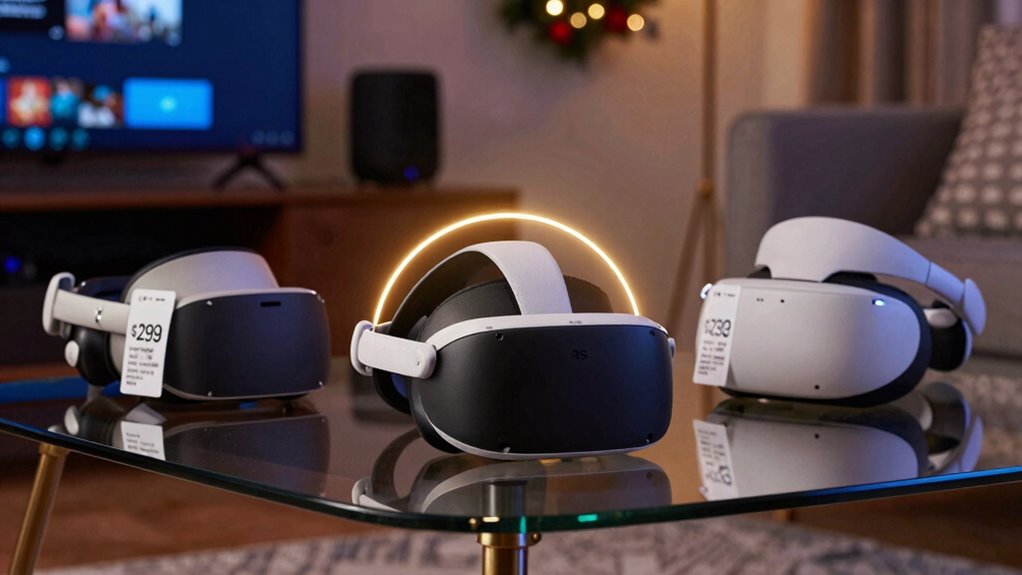
This is no accident—Meta’s market positioning is razor-sharp, sliding the 3S right into the sweet spot where price meets performance, replacing the aging Quest 2 without skipping a beat. With a pricing strategy that slaps a $299.99 tag on the 128GB model, it’s like they whispered, “Hey, mainstream world, we see you,” and handed over the keys to mixed reality without demanding a mortgage.
Meta’s Quest 3S hits the sweet spot of price and power, replacing the Quest 2 with ruthless precision—mixed reality for the masses, no financial hangover required.
At that price, it’s not just competitive—it’s a knockout punch to rivals still charging premium rates, especially with PlayStation VR2 ditching holiday discounts and leaving wallets breathing a sigh of relief when they see the Quest 3S instead.
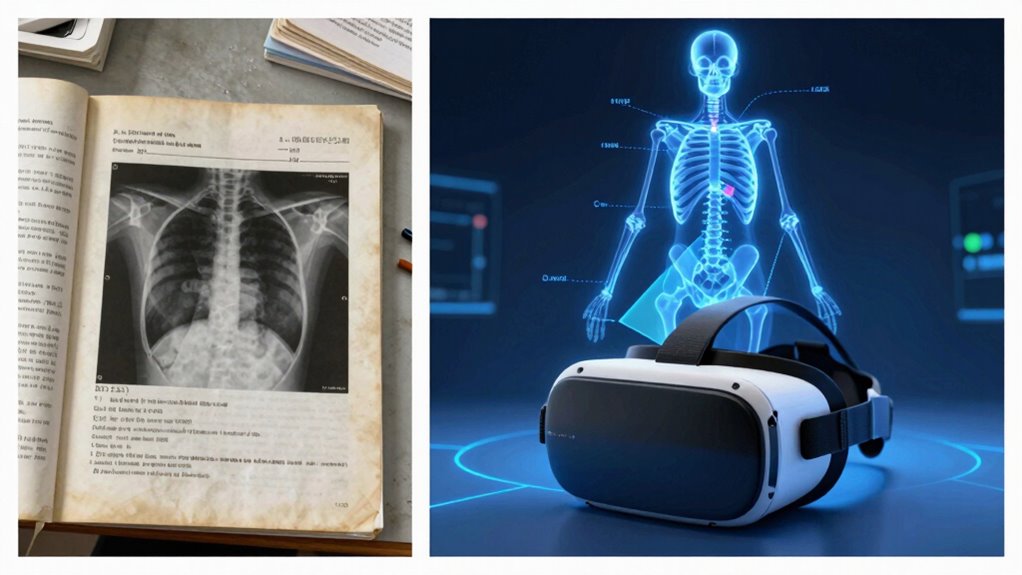
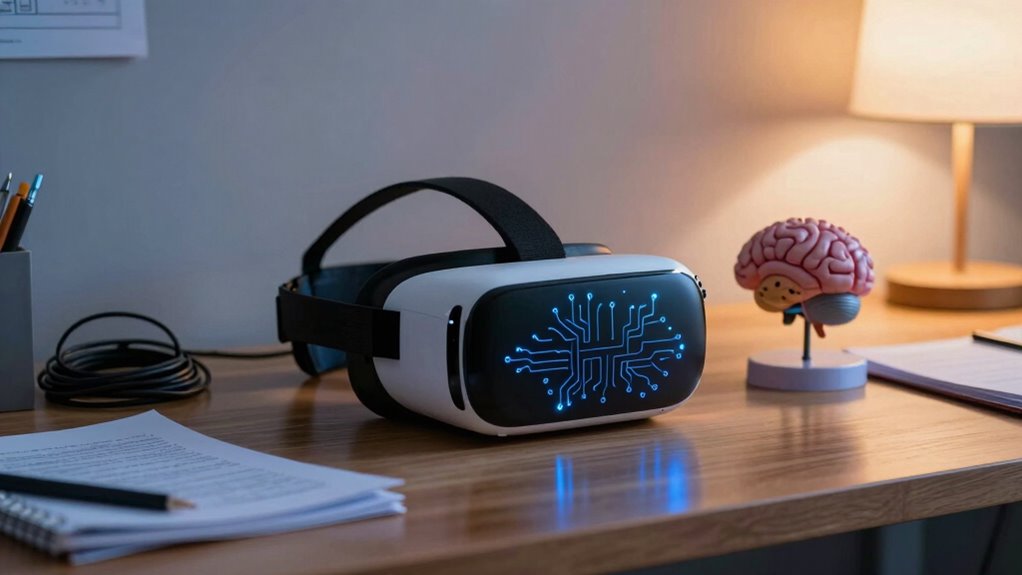
Under the hood, it’s basically Quest 3 Lite—same Snapdragon XR2 Gen 2 chip, 8GB of RAM, and the ability to run full MR experiences without tripping over itself.
Sure, the RGB LCD screens are a hair less crisp than the Quest 3, and the Fresnel lenses bring back that classic “god ray” flare show every time a bright light hits, but hey, it’s not like you’re squinting through a dirty window.
The 90–120Hz refresh rate keeps motion smooth, and the new dedicated passthrough button? Game-changer—no more awkward hand waves like you’re swatting bees.
Even the audio’s solid, with onboard speakers and mic, though you’ll still need Bluetooth headphones if you don’t want your mom overhearing your Batman: Arkham Shadow monologues (and who could blame her for listening?).
Bundling that game free until April 2025 is a slick move, basically saying, “Here’s a blockbuster movie and popcorn—all included.”
The Quest 3S arrives just as the household robots revolution is poised to take off between 2028-2035, potentially becoming part of the same ecosystem of smart home technologies that will transform our daily lives.
It’s not perfect—IPD has only three fixed settings, the FoV’s a bit narrow, and fans of crystal-clear passthrough might pout—but for $300, it’s hard not to feel like you’re getting away with something physical IPD adjustment. The device features a binocular display, which enhances depth perception and visual immersion for a more natural mixed reality experience.
References
- https://en.wikipedia.org/wiki/Meta_Quest_3S
- https://vr-compare.com/headset/metaquest3s
- https://space4games.com/en/virtual-reality-en/meta-quest-3s-buying-guide/
- https://www.meta.com/quest/quest-3s/buy-now/
- https://www.youtube.com/watch?v=2tmfz31oyEA
- https://www.meta.com/quest/quest-3s/
- https://about.fb.com/news/2024/09/meta-quest-3s-our-most-affordable-mixed-reality-headset/