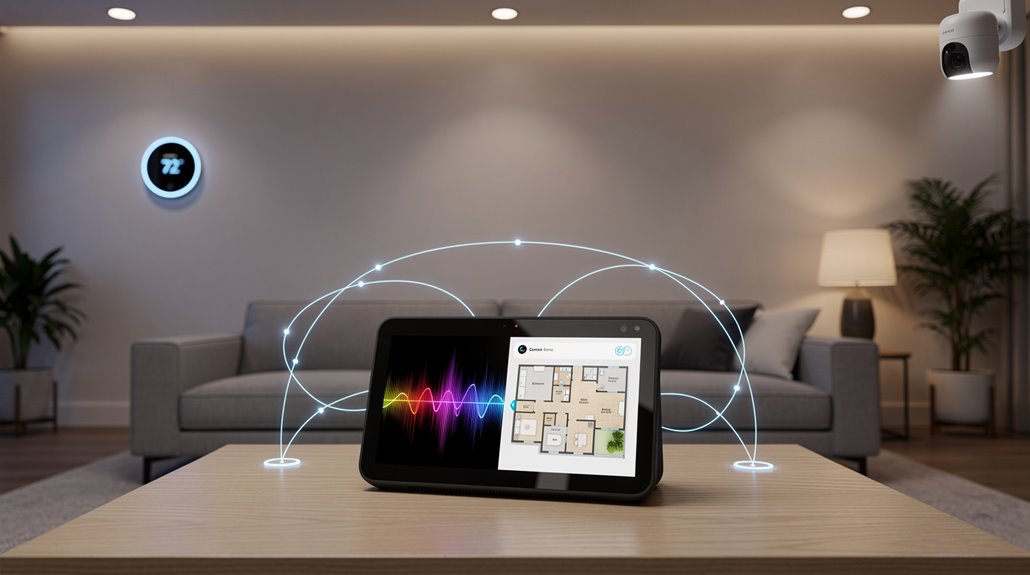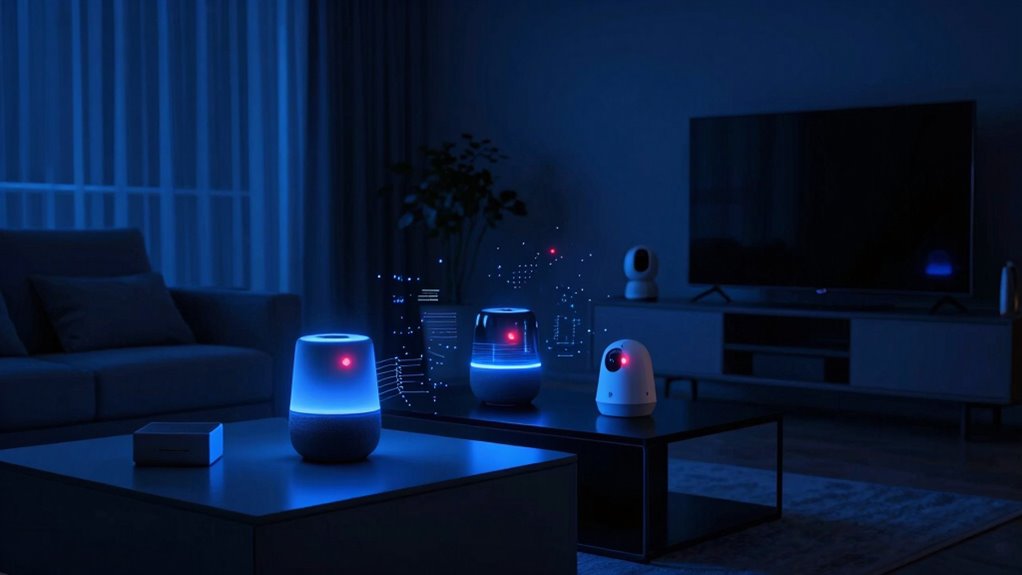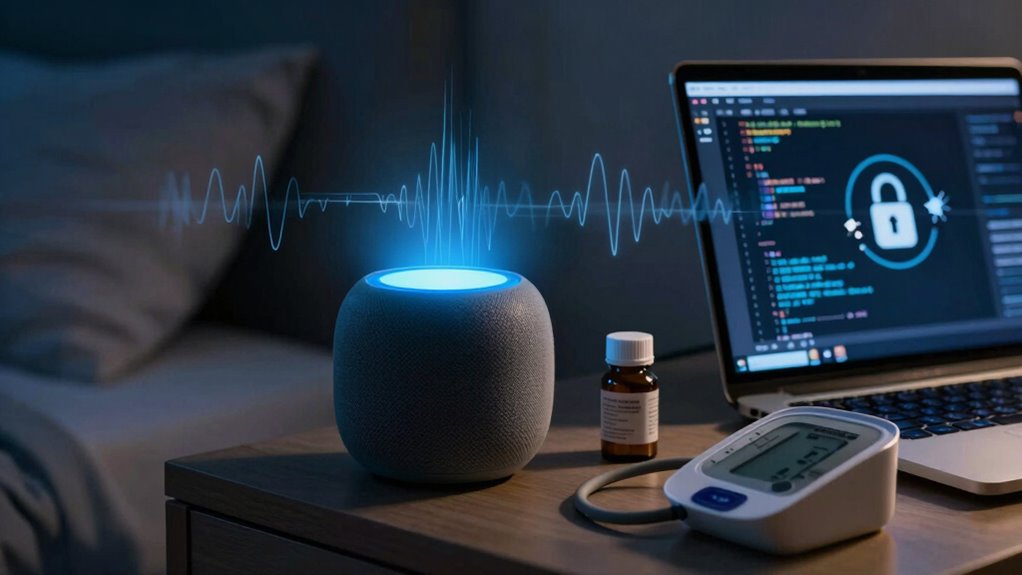
While smart speakers promise a futuristic way to manage health at home—”Hey, remind me to take my pills!”—they might also be handing hackers a backstage pass to your medical secrets. Envision this: you’re asking your speaker to schedule a doctor’s visit or check your blood pressure, and meanwhile, some cyber snooper is eavesdropping like a nosy neighbor at an open window. Scary, right? That’s the reality NIST’s latest white paper, CSWP 34, is here to warn us about. It dives into the sneaky risks of using smart speakers in hospital-at-home programs—yes, people are now getting inpatient-level care from their living rooms, complete with voice assistants playing nurse.
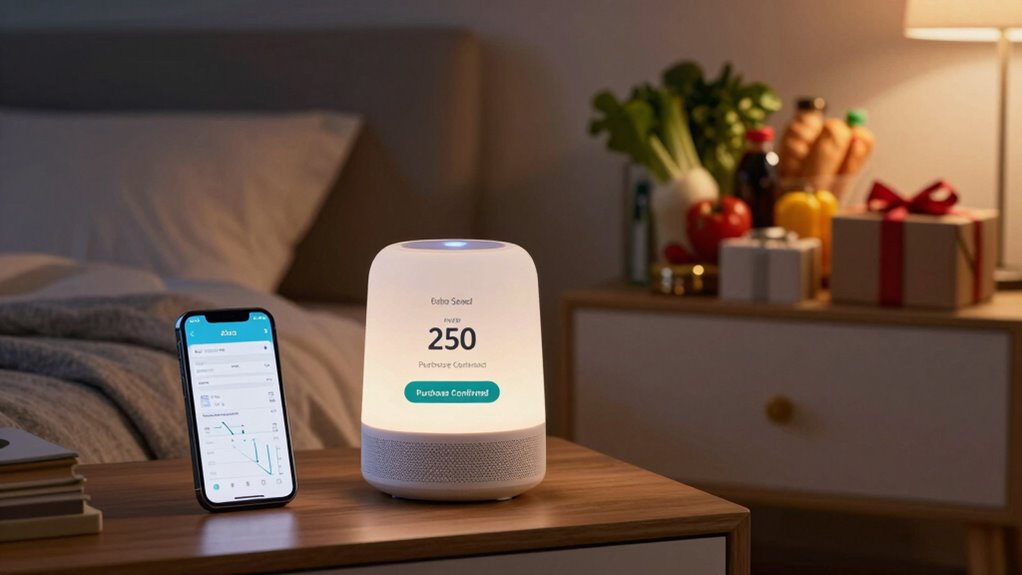
Turns out, voice command vulnerabilities are a big fat loophole. Hackers could trick your device into thinking a fake voice is yours—imagine someone spoofing your “Hey, refill my meds!” command and suddenly you’re getting the wrong pills. Yikes.
Hackers can mimic your voice and trick smart speakers into refilling meds you never ordered—imagine getting the wrong pills thanks to a fake command. Yikes.
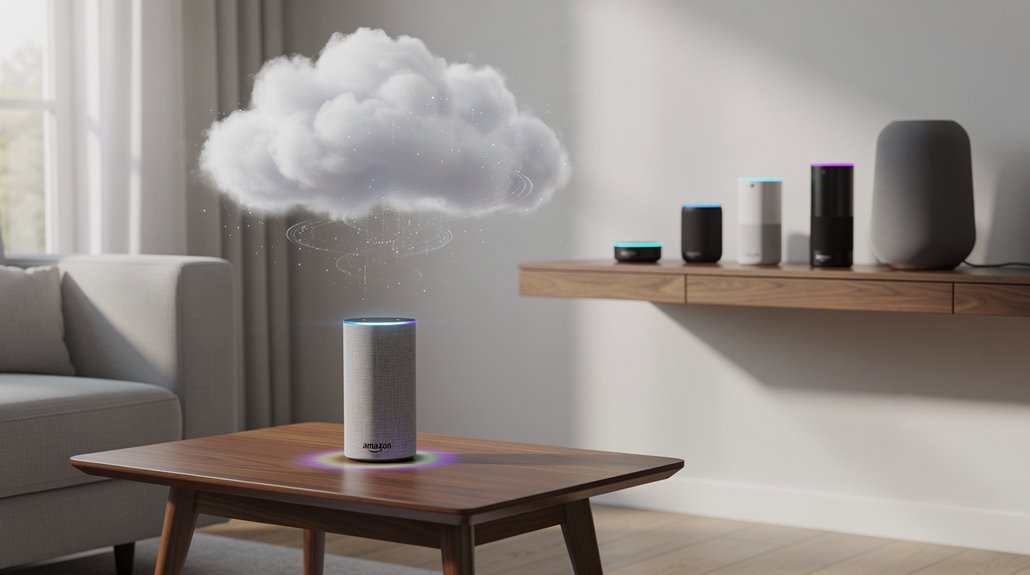
And here’s the kicker: many of these devices send your voice clips to the cloud without wrapping them in strong digital armor. That’s where the data encryption importance comes in—encrypting data is like putting your health info in a locked suitcase instead of a see-through bag. Without it, anyone sniffing around your Wi-Fi could grab your private details. With the Alexa ecosystem supporting over 100,000 compatible devices, security concerns multiply exponentially across different brands and connection types.
NIST’s advice? Lock things down. Use firewalls to segment your network—keep the toaster away from the blood glucose monitor, metaphorically speaking. Only let trusted users and devices in, and treat your smart speaker like a VIP guest: cool to have around, but don’t give it keys to the whole house. Network segmentation is a key safeguard recommended to isolate medical devices from other smart home gadgets.
While these guidelines don’t fix broken software or busted hardware, they do map solid protections using NIST’s own cybersecurity and privacy playbooks. One critical step they emphasize is ensuring that only authorized individuals can access health-related functions, highlighting the importance of limiting access.
Bottom line? These gadgets are helpful, sure—but not magic. Rely on them, but keep your guard up. Because nobody wants their “Hey, play relaxing music” to turn into “Hey, leak my medical records.” Stay sharp, stay encrypted, and maybe don’t let Alexa near your insulin pump. Just saying.
References
- https://www.helpnetsecurity.com/2025/12/22/nist-securing-smart-speakers/
- https://www.nist.gov/news-events/news/2025/12/securing-smart-speakers-home-health-care-nist-offers-new-guidelines
- https://sast.online/news/2025/nist-issues-guidance-on-securing-smart-speakers
- https://www.nist.gov/news-events/news/2025/12/now-available-nist-cybersecurity-white-paper-mitigating-cybersecurity-and
- https://tsapps.nist.gov/publication/get_pdf.cfm?pub_id=960669
- https://www.nist.gov/cybersecurity-and-privacy